
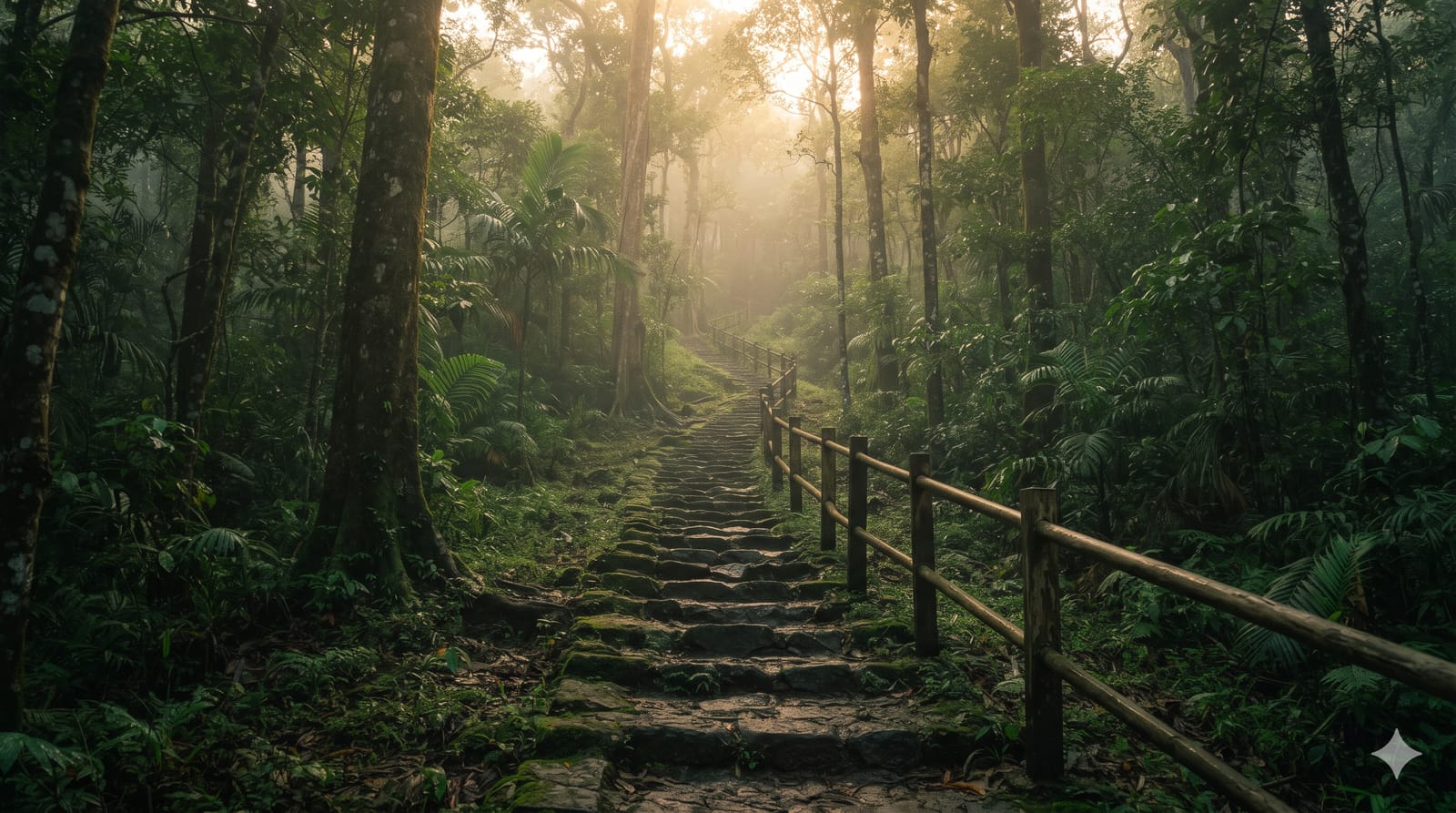
The Sabarimala climb from Pampa to Sannidhanam is short in kilometres and hard on the heart, especially if most of your year is spent at a desk. The 2026-27 Mandala-Makaravilakku season runs from 16 November 2026 to 20 January 2027, and if your trip is a few weeks away, you have time to prepare properly. Here's what the health advisories ask of pilgrims, what medical help is on the route this season, and a simple three-week walking plan to get your legs and lungs ready.
Why preparation matters on this particular climb
The numbers from last season are sobering. Kerala's health services treated 2,56,399 pilgrims across Pampa, Neelimala, Appachimedu, Sannidhanam, Charalmedu and Nilakkal, and saved 206 pilgrims who had heart attacks, nearly 79% of the heart attack patients they saw, Kerala Kaumudi reported in January 2026.
And there's a pattern. Onmanorama's guide to this season's medical facilities puts it plainly: "Most cardiac emergencies occur during the uphill trek from Pampa to Sannidhanam." That's a steep climb, often in a crowd, sometimes after a long overnight journey and a fast. Fitness won't remove the risk, but an untrained body meeting a steep hill at the end of a tiring trip is exactly the situation to avoid.
What the health advisory asks pilgrims to do
Pathanamthitta's District Medical Officer, Dr L Anithakumari, set out the do's and don'ts in an advisory reported by ETV Bharat. The key points:
Before you leave
Do "light exercises, including brisk walking" for some days before the pilgrimage.
Don't stop regular medicines during fasting.
If you have high blood pressure, diabetes, heart disease or asthma, see your doctor first.
With a family history of heart disease, get a heart check-up before you go.
Carry hospital records, prescriptions and health insurance documents.
On the climb
"Climb the hill slowly and take rest at regular intervals."
Don't start climbing right after a meal.
If you find the climb hard, take the Swami Ayyappan road instead of the Neelimala route.
Stop if you feel fatigue, weakness, chest pain or breathlessness, and get help at the emergency medical centres along the trail.
A three-week walking plan
The advisory's minimum is a few days of brisk walking. If you have three weeks, use them. This is a sample for a healthy adult who walks a little today. If you have a heart condition, diabetes or high BP, show this to your doctor before you start.
Week 1: build the habit
5 days: 30 minutes of brisk walking. Brisk means you can talk but not sing.
2 days: rest or an easy stroll.
Goal: walking every day stops feeling like an event.
Week 2: add the hill
3 days: 30-40 minutes of brisk walking.
2 days: stairs or a slope. Start with 10 minutes of climbing stairs at a steady pace, resting at each landing if you need to, inside a longer walk.
1 day: a longer, easy walk of 60 minutes.
1 day: rest.
Week 3: rehearse the climb, then ease off
Early in the week: one long session of 60-75 minutes that includes 15-20 minutes of stairs or hill. Practise the pace you'll use on the day: slow, steady, with short planned rests.
Rest of the week: shorter 20-30 minute walks.
Last two days before travel: easy walking only. You want to arrive rested, not sore.
For context, the World Health Organization's physical activity guidance sets "at least 150 minutes of moderate-intensity physical activity per week" as the benchmark for adults. Week 1 alone gets you there. If you're over 35 and wondering whether it's too late to build fitness, read this look at a 47-year study of how fitness changes with age before you decide.
Eating during the vratham, and on climb day
Many pilgrims eat simply during the vratham period. That's fine for training, as long as you're eating enough to walk on.
Keep protein on the plate: dal, curd, paneer, chana, sprouts. Protein supports muscle repair between training days.
Don't train on an empty stomach if you feel light-headed. A banana or a small bowl of curd rice an hour before a walk is plenty.
On climb day, eat light and wait. The advisory says not to climb right after a meal. A small breakfast, a gap, then start.
Drink water through the climb, in small sips at your rest stops.
If you're fasting and still training, the evidence round-up on working out during Navratri fasts applies here too: lower the intensity, don't skip the habit. And if you're managing blood sugar, the guide to exercise and food changes for prediabetes explains why regular walking matters so much for it.
Help on the route this season
Per Onmanorama's 12 November report:
Government hospitals at Pampa and Sannidhanam are running 24 hours, with emergency care, labs and an operation theatre.
Cardiology centres at Neelimala and Appachimedu opened on 16 November.
About 22 emergency medical units sit along the trails, forest routes and transit points, with CPR kiosks on key trekking routes.
For the first time, there's an off-road ambulance on the forest route.
Save these numbers in your phone before you leave: Medical control room 04735 203232, Sabarimala pilgrimage helpline 70258 00100, Neelimala Cardiology Centre 04735 203384, plus 112 for emergencies and 108 for an ambulance.
The honest bottom line
Three weeks of walking won't make the climb easy, and it doesn't replace a medical check if you're at risk. What it does is make the climb familiar: your legs know stairs, your lungs know a steady pace, and you know how a rest stop feels before you need one. Go slowly, rest often, and stop the moment your chest tells you to.
This is general fitness information, not medical advice. If you have a heart condition, diabetes, high blood pressure or asthma, check with your doctor before training or travelling.