World Diabetes Day falls on 14 November, and this year's theme is "Early action on diabetes". For India, early action mostly means prediabetes: blood sugar that is higher than normal but not yet in the diabetes range. It is common, it usually has no symptoms, and, here is the good part, it is the stage where exercise and food changes have the strongest evidence. Let's go through what the big trials found, including one run in India, and turn it into a week you can actually follow.
How common prediabetes is in India
The ICMR-INDIAB study, published in The Lancet Diabetes & Endocrinology in June 2023, tested 113,043 people across India. It found diabetes in a little over 11% of adults and prediabetes in 15.3%. That is roughly one adult in seven sitting in the warning zone.
One of the researchers behind the study, from the Madras Diabetes Research Foundation, told Down To Earth: "Unless there is an intervention, about 60 per cent of people with prediabetes will turn into diabetes patients." The same report notes that Asians tend to develop diabetes at lower levels of obesity, and move from prediabetes to diabetes faster, than white Europeans. So "I'm not overweight" is not a reason to skip a test.
The WHO's World Diabetes Day 2026 campaign points out that more than 40% of people with diabetes worldwide are undiagnosed, and that type 2 diabetes usually develops gradually with few or no noticeable symptoms. You find it by testing, not by waiting to feel unwell.
What the trials found: lifestyle changes work
The Indian trial
The Indian Diabetes Prevention Programme (IDPP-1), published in Diabetologia in 2006, followed 531 Indian adults with impaired glucose tolerance, a form of prediabetes. They were split into four groups: control, lifestyle advice, the drug metformin, or both.
After three years, according to the study abstract:
55% of the control group had developed diabetes.
39.3% of the lifestyle group had.
40.5% on metformin, and 39.5% on both.
That is a 28.5% relative reduction from lifestyle changes alone, about the same as the drug, and combining the two added nothing extra. For Indians specifically, that is the most relevant evidence we have.
The big American trial
The US Diabetes Prevention Program enrolled 3,234 people and gave the lifestyle group two clear targets: lose 7% of body weight and exercise 150 minutes a week. According to the US National Institute of Diabetes and Digestive and Kidney Diseases, that cut the risk of type 2 diabetes by 58% compared with placebo, and by 71% in people aged 60 and over. Metformin cut it by 31%. Fifteen years later, the lifestyle group was still developing diabetes later than the placebo group.
Honest note: both trials lowered risk; neither made it vanish. Even in the best lifestyle group, many people still developed diabetes eventually. Early action buys years, and years matter.
The two targets that keep showing up
Strip the trials down and two numbers keep coming back:
150 minutes of moderate activity a week. This is also the WHO's baseline for adults. Its physical activity fact sheet links regular activity to a lower risk of type 2 diabetes and more sitting to a higher risk.
A modest weight loss if you carry extra weight. The DPP target was 7%. For a 75 kg person, that is about 5 kg, spread over months, not a crash diet before a wedding.
You don't need a gym membership, a special diet or a supplement to hit either.
A sample week that hits 150 minutes
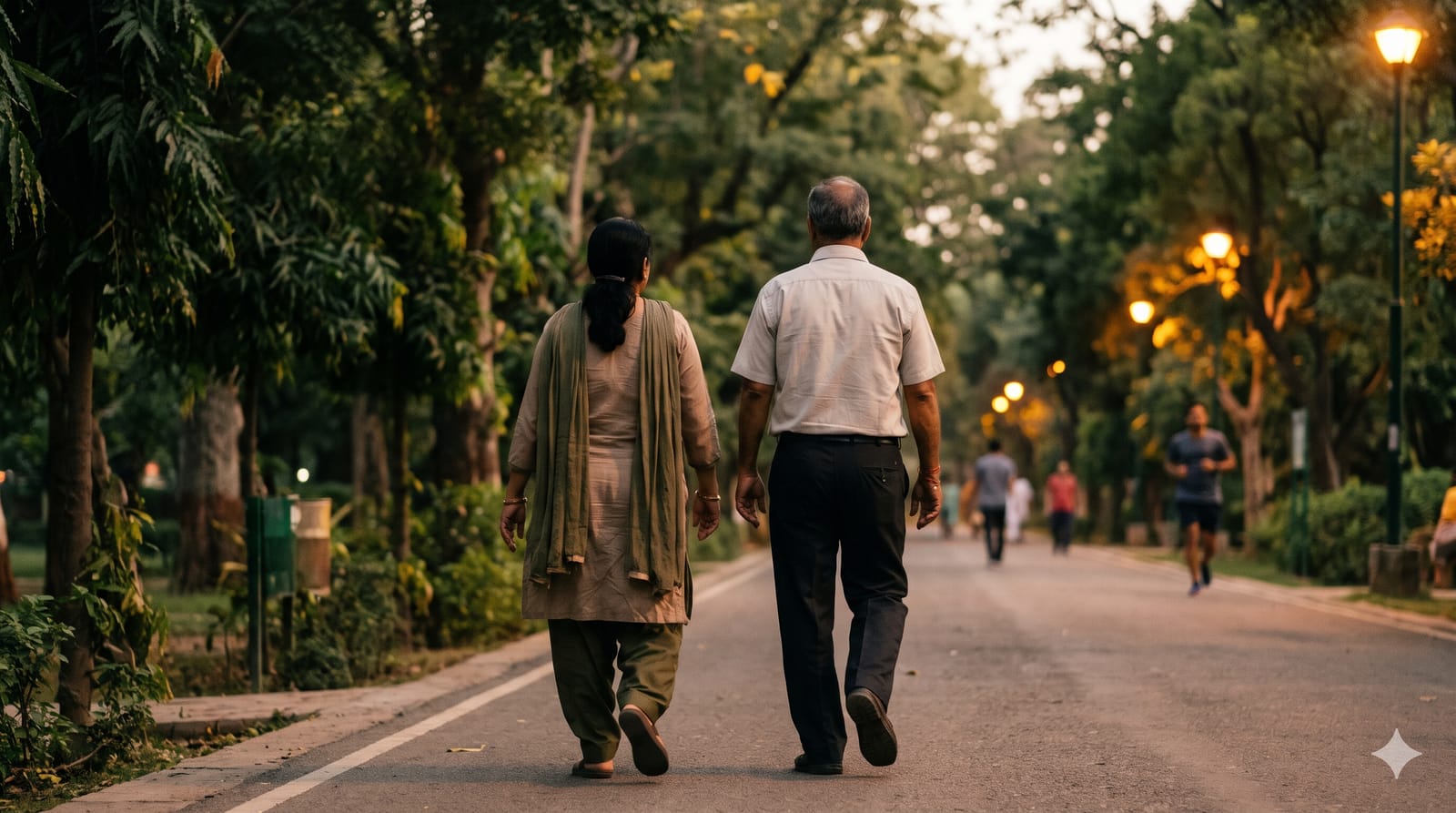
Monday, Wednesday, Friday: 30-minute brisk walk. Brisk means you can talk but wouldn't want to sing.
Tuesday and Saturday: 30 minutes of simple strength work at home: squats to a chair, wall push-ups, lunges, a backpack row with books. Two rounds, 10 to 12 reps each.
Every day: a 10 to 15 minute walk after your largest meal. We looked at what the evidence says about walking after eating during Diwali; the habit is worth keeping all year.
Sunday: rest, or a longer family walk.
That is 150 minutes of walking and strength, plus the after-meal walks as a bonus. If it feels like a lot, start with half and add five minutes a week.
Food changes that don't feel like a diet
The DPP lifestyle group cut fat and total calories. In an Indian kitchen, that looks like small, boring swaps you can keep for years:
Fill the plate differently: one roti fewer, a bigger katori of dal or sabzi.
Watch the drinks: sweet chai three times a day adds up. Try two, or less sugar in each.
Read the pack: biscuits, namkeen and "health" bars hide sugar and fat. Our guide to FSSAI's new warning labels shows what to look at first.
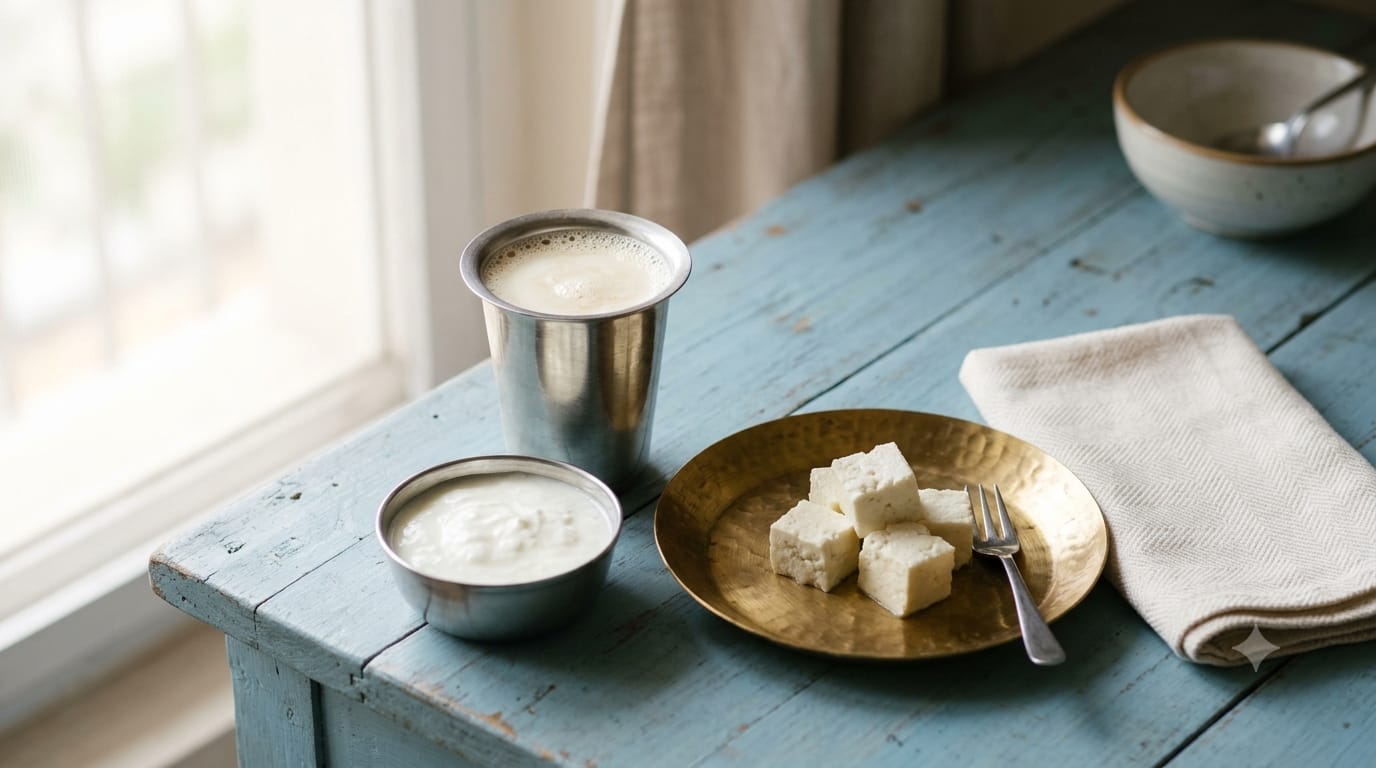
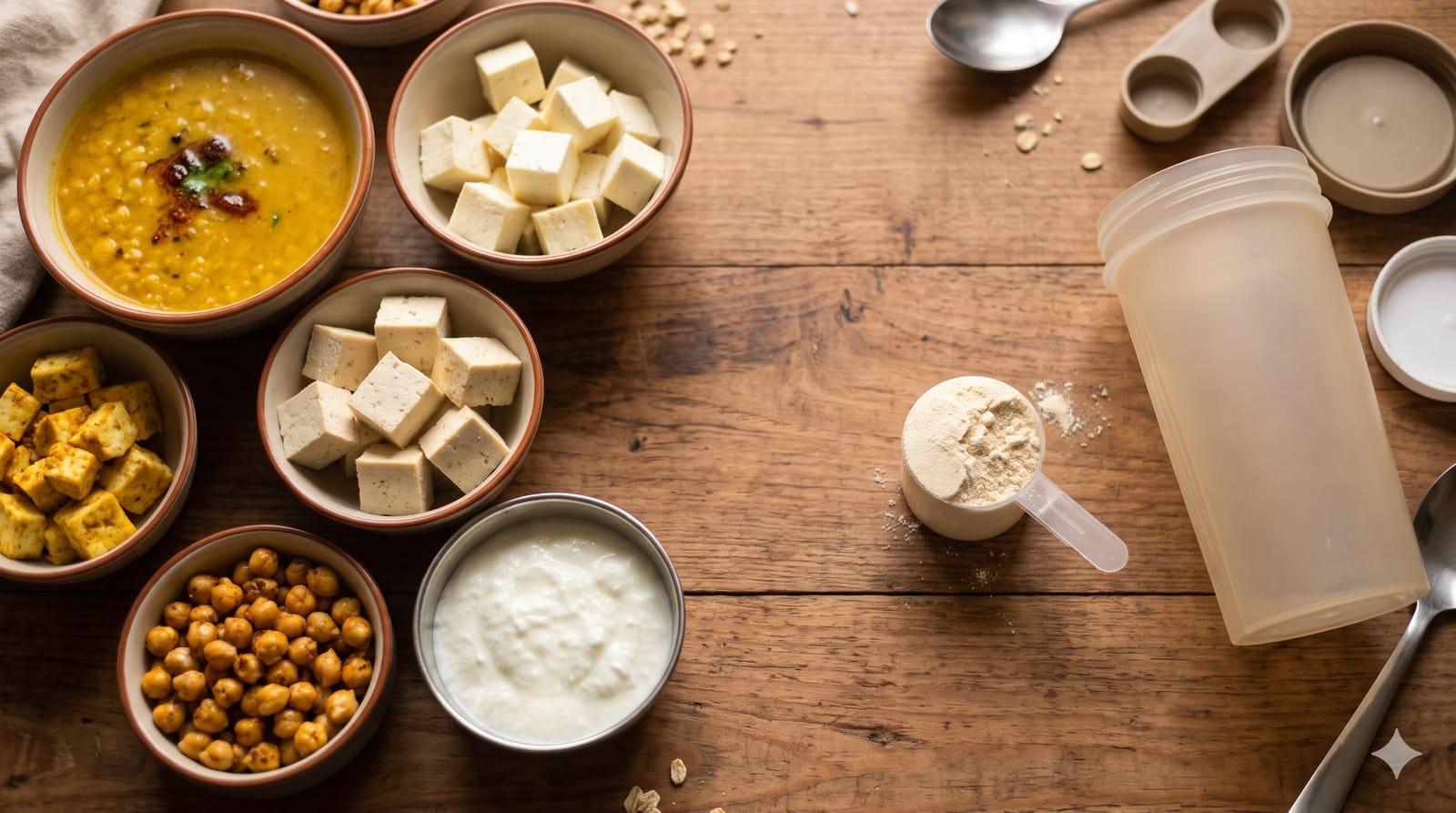
Keep protein in every meal: dal, curd, paneer, eggs or chana help keep you full, which makes eating a bit less easier.
Your early-action checklist
Ask your doctor about a test, especially if diabetes runs in your family or you simply haven't checked in a few years. They will tell you which test suits you.
Start the 150-minute week now, not after the result. It helps either way.
Add strength training. Muscle matters more as you age; our piece on a 47-year study of fitness after 35 explains why it pays to start early.
Re-test as your doctor advises and track the trend, not one reading.
This is general information, not medical advice. If you have been told you have prediabetes or diabetes, or you take medication for blood sugar or blood pressure, check with your doctor before changing your exercise or diet.