Lighting does more than illuminate a room. It influences how people experience colours, observe details, and interact with their surroundings. Whether highlighting merchandise in a retail display or creating an inviting atmosphere in a restaurant, selecting the correct lighting source makes a noticeable difference. A Halogen Reflector Lamp provides focused illumination, excellent colour rendering, and immediate brightness for applications requiring controlled directional lighting.
Although modern lighting technologies continue evolving, halogen reflector lamps remain relevant for compatible installations where their distinctive lighting characteristics are desirable.
What Is a Halogen Reflector Lamp and How Does It Produce Light?
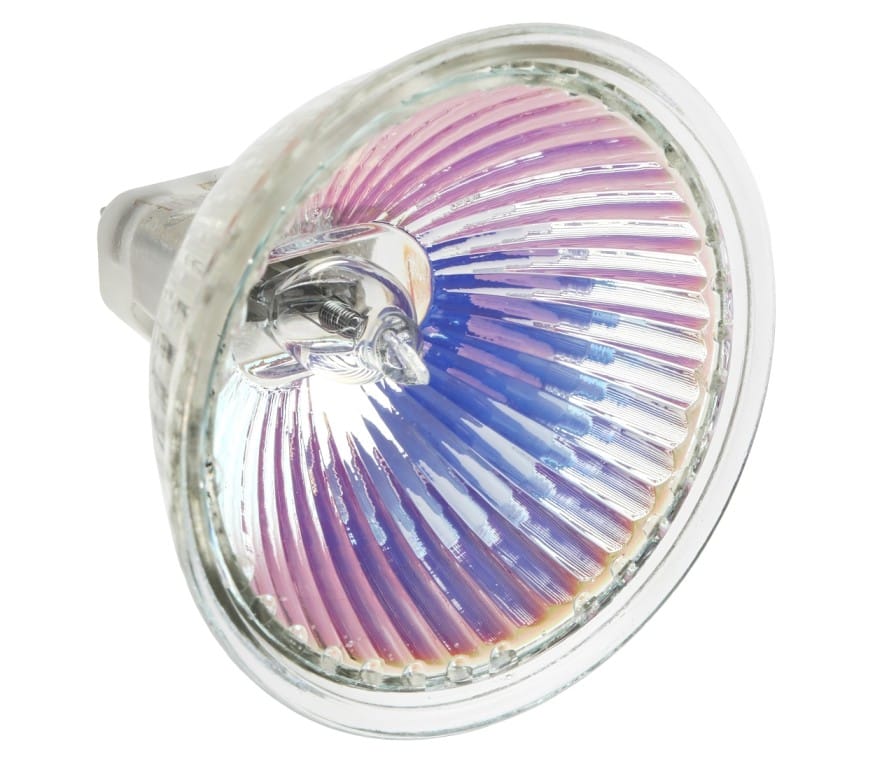
A Halogen Reflector Lamp is a specialised incandescent light source containing a tungsten filament, halogen gas, and an integrated reflector. When electricity passes through the filament, it heats to a high temperature and produces visible light.
The surrounding reflector redirects a substantial portion of that light towards a designated area, creating a controlled beam rather than distributing illumination equally in every direction.
Why Is Halogen Technology Different From Traditional Incandescent Lighting?
Halogen lamps use a regenerative chemical process known as the halogen cycle. This process helps limit tungsten deposits on the lamp envelope under suitable operating conditions.
Compared with conventional incandescent designs, certain halogen lamps can achieve improved performance while maintaining the warm appearance and excellent colour reproduction associated with filament lighting.
How Does Reflector Design Improve Lighting Precision?
The reflector is an important component because it determines how emitted light is distributed. Instead of allowing illumination to spread without direction, reflector lamps concentrate it within a specified beam angle.
This helps designers highlight individual objects, illuminate work surfaces, or establish focused accent lighting.
What Is the Difference Between Narrow and Wide Beam Angles?
A narrow beam concentrates light over a smaller area, making it suitable for accent lighting and focused displays. A wider beam distributes illumination across a larger surface.
Choosing the appropriate beam angle helps minimise unwanted light spill and creates a more balanced lighting arrangement.
Why Do Halogen Reflector Lamps Offer Excellent Colour Rendering?
Colour accuracy is especially important when displaying merchandise, inspecting materials, or creating visually appealing interiors.
Halogen lamps typically provide a colour rendering index close to 100, allowing illuminated objects to display colours naturally compared with a suitable reference light source.
Which Environments Benefit From Accurate Colour Reproduction?
Applications include:
Retail displays featuring clothing and decorative products.
Hospitality interiors requiring warm, inviting illumination.
Jewellery displays where surface detail matters.
Residential accent lighting for selected architectural features.
Specialist workspaces requiring natural colour appearance.
Decorative lighting arrangements with controlled beams.
The warm light produced by halogen technology can create a comfortable visual atmosphere when brightness and positioning are appropriately managed.
Which Types of Halogen Reflector Lamps Are Available?
Different reflector lamps are designed for different fittings and lighting requirements. Common configurations include MR16, GU10, and PAR-style designs.
MR16 lamps are frequently associated with compact low-voltage lighting systems, while GU10 products commonly use twist-lock connections in compatible fittings.
PAR lamps offer additional options for directional illumination.
How Do Reflector Coatings Affect Heat Distribution?
Dichroic reflectors transmit a significant portion of infrared radiation backwards while reflecting visible light forwards. Aluminium-coated reflectors behave differently and reflect more infrared energy towards the illuminated area.
Neither arrangement eliminates heat. Suitable fitting construction, ventilation, and installation clearance remain essential.
Where Can Halogen Reflector Lamps Create Effective Lighting Arrangements?
Halogen reflector lighting can support environments where focused illumination and warm colour characteristics are important.
In restaurants, carefully positioned lamps can highlight dining tables or architectural details. Retail environments may use directional lighting to draw attention to selected merchandise.
When selecting suitable products, exploring Dichroic and Reflector Halogen Lamps helps buyers compare available configurations, beam characteristics, and compatible lamp designs for their applications.
How Should You Select the Correct Halogen Reflector Lamp?
Selecting a replacement requires more than matching its physical appearance. Electrical and mechanical compatibility must be confirmed before installation.
Which Specifications Should Buyers Consider?
Important factors include:
Voltage: Match the lamp to the fitting and supply arrangement.
Wattage: Never exceed the luminaire's maximum permitted rating.
Base type: Confirm compatibility with the existing lamp holder.
Beam angle: Select appropriate directional coverage.
Colour temperature: Consider the required lighting atmosphere.
Lamp dimensions: Ensure proper physical clearance.
Reflector design: Verify compatibility with the intended fitting.
Checking these specifications reduces installation problems and supports reliable lighting performance.
How Can Proper Maintenance Improve Lamp Performance?
Halogen lamps operate at high temperatures, making careful handling essential. Switch off the electrical supply and allow the lamp to cool completely before replacement.
Avoid touching exposed quartz capsules with bare fingers unless the manufacturer permits it. Skin oils can create localised heating and potentially affect lamp life.
Inspect fittings for damaged contacts, overheating, or discolouration before installing replacement lamps.
Are Halogen Reflector Lamps Still Practical Compared With LED Alternatives?
LED reflector lamps generally consume less electricity and offer longer operating lifetimes, making them preferable for many new installations.
However, halogen lighting may still be useful where compatible equipment requires particular optical or electrical characteristics.
Buyers should consider energy consumption, replacement costs, availability, and applicable lighting regulations when making purchasing decisions.
Why Does the Right Halogen Reflector Lamp Make a Difference?
Effective lighting depends on combining suitable brightness, directional control, colour reproduction, and installation compatibility. A Halogen Reflector Lamp offers distinctive warm illumination and precise beam distribution for appropriate applications.
By selecting the correct specifications and following safe installation practices, users can achieve attractive lighting arrangements while maintaining dependable performance. Understanding these characteristics helps homeowners, lighting designers, and maintenance professionals make informed decisions about specialised reflector lighting.