
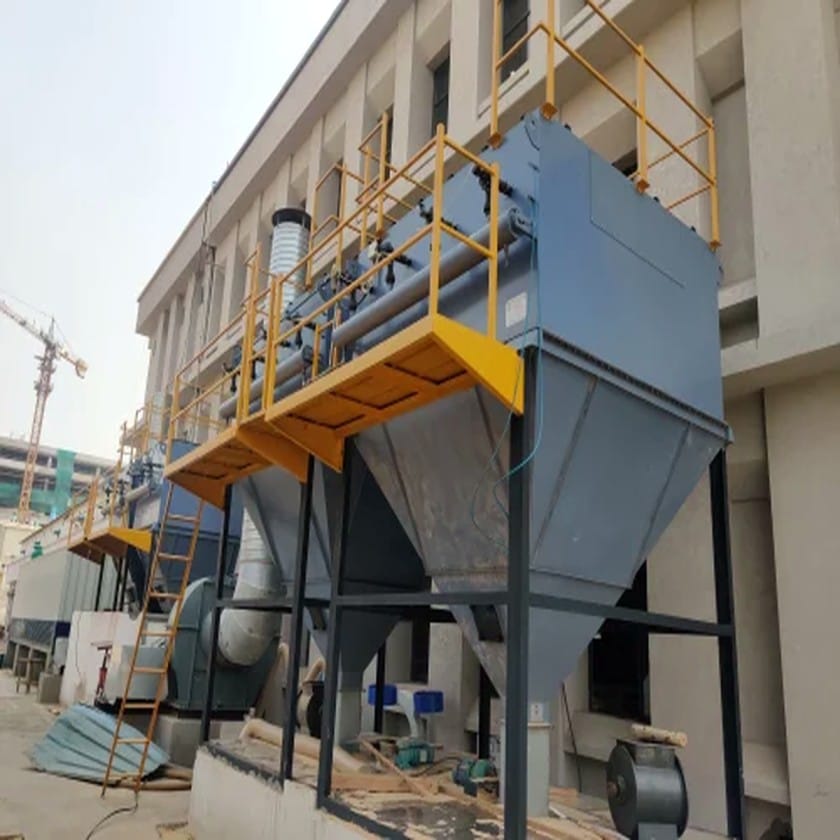
Industrial dust control is not simply about collecting visible particles from the air. In many manufacturing facilities, the real challenge is maintaining consistent extraction while production loads, material characteristics and operating conditions continue to change. A filtration system that performs well during initial operation may face difficulties later if dust properties are not properly understood, filter media is unsuitable or the cleaning arrangement does not match the process.
A well-designed Bag Filter helps industries manage airborne particulate matter by separating dust from contaminated air through fabric filtration. However, its performance depends on several connected factors, including airflow, filtration area, filter-bag material, cleaning mechanism and dust discharge. Understanding these elements makes it easier for plant operators and project teams to select equipment that suits their actual production requirements.
GPT-INDIA, also known as Green Planet Technologies, works in industrial air pollution control and ventilation technology. Its filtration solutions are developed for manufacturing environments where effective dust extraction and practical equipment operation are important considerations.
What Is an Industrial Bag Filter and How Does It Work?
A Bag Filter is an industrial dust collection system that uses fabric filter elements to separate solid particles from an air stream. Dust-laden air enters the filtration chamber, where the filter media retains particulate matter while allowing filtered air to pass through.
As the filtration process continues, dust gradually accumulates on the surface of the filter bags. This dust layer is commonly called the dust cake. Although it contributes to particle capture, excessive accumulation increases resistance to airflow. The collector therefore needs a cleaning mechanism to remove collected dust and maintain operating conditions.
The separated dust falls into a hopper or collection arrangement, from where it can be discharged for suitable handling. The filtered air moves towards the outlet and, depending on the system design, may be returned to the process area or discharged through an exhaust arrangement.
The equipment configuration varies according to the application. A small manufacturing unit handling intermittent dust may have different requirements from a large production facility operating continuously with substantial dust generation.
Why the Right Filtration System Matters in Manufacturing
Different manufacturing processes generate different types of particulate matter. Metalworking may produce fine metallic particles, woodworking can generate sawdust and fine wood dust, while mineral processing may involve abrasive materials. Cement-related operations, chemical manufacturing and material handling can also create significant dust loads.
These materials do not behave identically inside a collector. Some are relatively dry and easy to release from filter media, while others may be sticky, abrasive, hygroscopic or difficult to clean. Selecting equipment without understanding these characteristics can lead to frequent maintenance, unstable pressure drop and reduced extraction performance.
A suitable filtration system should therefore be planned around the process rather than selected only by comparing the advertised airflow capacity of different machines. The nature of the dust, operating temperature, humidity, production hours and required extraction points all influence the design.
Understanding the Pulse Jet Bag Filter Cleaning Process
A Pulse jet Bag filter uses short bursts of compressed air to clean accumulated dust from fabric filter bags. This cleaning method is widely used in industrial filtration systems because it allows filter bags to be cleaned while the collector remains in operation, subject to the system's design and operating arrangement.
During filtration, dust collects on the filter-bag surface. When cleaning is required, a control system activates the relevant pulse valve, releasing a brief compressed-air pulse into the filter bag. The resulting movement helps dislodge accumulated dust, which falls into the hopper below.
The cleaning sequence is an important part of the collector's operation. If cleaning is too frequent or unnecessarily aggressive, it can increase compressed-air consumption and place additional stress on the filter media. If cleaning is insufficient, dust accumulation may cause pressure drop to rise and affect airflow.
The objective is to maintain an appropriate balance between filtration and cleaning. Depending on the equipment configuration, cleaning may be controlled through a timed sequence or operating conditions such as differential pressure.
Filter Bags: The Component That Directly Handles Dust
The performance of an industrial collector depends heavily on its Filter bags. These components provide the filtration surface that separates particulate matter from the air stream. Their material and construction must suit the conditions inside the collector.
Filter media selection begins with understanding the dust. Particle size, shape, abrasiveness and chemical characteristics can influence the type of fabric required. Operating temperature is equally important because the filter material must remain suitable for the actual gas temperature and any expected temperature variations.
Humidity also needs attention. Moisture or condensation can cause certain dust types to stick to the filter surface. This may make normal cleaning less effective and contribute to a gradual increase in pressure drop.
Mechanical factors matter as well. The bags need to withstand the movement associated with cleaning and the conditions created by the incoming airflow. Incorrect dimensions or unsuitable construction can affect installation and filtration behaviour.
For this reason, replacement bags should be selected according to the original collector specifications and actual operating conditions rather than treated as interchangeable consumables.
How Airflow and Filtration Area Influence Performance
Airflow is one of the first figures considered when planning a dust collection project, but it should never be evaluated in isolation. The filtration area must be appropriate for the quantity of air passing through the collector and the characteristics of the dust being handled.
The relationship between airflow and available filtration area influences the air-to-cloth ratio. If the filtration loading is too high for the application, the system may experience increased resistance, frequent cleaning and additional stress on the filter bags.
Air distribution inside the collector is another important factor. If incoming air is concentrated around a limited section of the filtration chamber, certain bags may receive a greater dust load than others. Uneven loading can result in inconsistent cleaning behaviour and differences in filter-bag service life.
A properly considered inlet arrangement helps distribute dust-laden air more evenly and reduces the possibility of excessive impact on individual filter elements. The final design should reflect the dust concentration, required airflow and available installation space.
Pressure Drop: A Useful Measure of Filter Condition
Pressure drop indicates the resistance to airflow across the filtration system. It changes as dust accumulates and the cleaning mechanism removes material from the filter bags.
A gradual variation in pressure drop can be part of normal operation. However, a sustained increase may indicate that the filter bags are not cleaning effectively or that another operating issue has developed.
Possible causes include moisture-related blinding, excessive dust loading, unsuitable filter media, insufficient compressed-air supply, blocked dust discharge or incorrect airflow. A sudden change may also indicate leakage, damaged bags or a problem with the cleaning arrangement.
Operators should observe pressure-drop trends over time instead of relying on a single reading. Comparing operating records with inspection findings can help maintenance teams identify developing issues and decide whether cleaning-system adjustments, repairs or filter-bag replacement are necessary.
Choosing Between Different Bag Filter Configurations
Industrial dust collectors are available in different configurations depending on the process, dust characteristics and required operating arrangement. Pulse jet systems are commonly considered where regular cleaning and continuous operation are important.
The choice of configuration should also account for the space available, access for maintenance, hopper arrangement and method of dust disposal. A collector installed in a restricted area may require a different maintenance-access arrangement from one installed in a dedicated utility section.
The operating process should guide the final selection. For example, a facility with continuous dust generation may have different priorities from a workshop where extraction is required only during selected production activities.
It is also important to consider whether the collector will operate independently or form part of a wider Dust collection system. Where several machines or production points are connected, the duct network and fan must be designed around the combined extraction requirements.
How to Evaluate Bag Filter Suppliers Before Purchasing
Choosing Bag filter suppliers requires more than comparing quotations. Buyers should understand whether the supplier can evaluate the application and recommend a suitable filtration arrangement.
The discussion should cover the type of dust, expected concentration, airflow requirement, operating temperature, humidity and production schedule. The supplier should also be able to explain the cleaning arrangement, filtration area, dust discharge method and maintenance access.
Technical documentation and clarity about the equipment configuration are useful during project evaluation. Buyers should understand what is included in the supply and which components or site requirements need to be addressed separately.
After-sales support is another practical consideration. Filter bags, pulse valves and other components may require inspection or replacement during the equipment's operating life. Availability of technical assistance and suitable replacement parts can influence the overall maintenance experience.
What Makes Experienced Bag Filter Manufacturers Important?
Experienced Bag filter manufacturers should consider the complete operating environment rather than focusing only on the fabrication of the collector body.
The design needs to bring together the filtration chamber, inlet arrangement, filter-bag support, cleaning mechanism, hopper and discharge equipment. Fan selection and duct connections must also be evaluated so that the collector can operate as part of the intended extraction network.
Fabrication quality is important because industrial equipment is exposed to mechanical loads, dust accumulation and changing operating conditions. Suitable material selection, construction practices and inspection procedures contribute to the reliability of the finished equipment.
For project buyers, it is useful to discuss the manufacturing process, design assumptions, installation requirements and maintenance access before finalising an order. These details help establish whether the proposed equipment is appropriate for the actual application.
Working With Filter Bags Suppliers and Manufacturers
Once a collector is installed, replacement media becomes part of the plant's ongoing maintenance requirement. Reliable Filter bags suppliers should be able to understand the collector's dimensions, media specifications and operating conditions before recommending replacement components.
Similarly, Filter bags manufacturers need accurate information about the required fabric, construction, finish and dimensions. A replacement bag that appears similar may not necessarily provide the same filtration behaviour if its material or construction differs.
Keeping records of filter-bag specifications, installation dates and operating performance can make future replacement planning easier. If bags repeatedly fail earlier than expected, the cause should be investigated. Abrasion, uneven airflow, unsuitable media, condensation or aggressive cleaning may be contributing to the problem.
Replacement should therefore be treated as a technical maintenance decision, not simply a routine purchase based on the lowest available price.
Integrating a Bag Filter With a Complete Dust Collection System
In many factories, dust is generated at multiple locations. A collector may need to serve production machinery, transfer points, mixing equipment, grinding operations or material-handling stations.
In such cases, the collector is only one part of the complete extraction arrangement. Hoods, ductwork, dampers, fans and discharge equipment must be coordinated to deliver the required airflow at each collection point.
Poorly planned ductwork can create unnecessary pressure losses or uneven airflow distribution. A fan selected without considering the resistance of the complete network may also struggle to maintain the required extraction performance.
The system should be reviewed as a whole, including the location of extraction points and the route through which collected dust will be handled. This approach helps ensure that the filtration equipment supports the production process rather than becoming an isolated installation.
GPT-INDIA's Approach to Industrial Dust Filtration
GPT-INDIA, or Green Planet Technologies, works in industrial air pollution control, dust collection and ventilation solutions. Its product range includes Bag Filters, Pulse Jet Bag Filters, Dust Collectors, Dust Extractors, Cyclone Dust Collectors, Multicyclone Dust Collectors, Filter Bags and related air pollution control equipment.
Each industrial application has its own operating requirements. Dust type, airflow, process layout and maintenance expectations should be understood before equipment is selected. This application-focused approach helps businesses evaluate filtration systems according to their production conditions.
For organisations planning a new installation or reviewing an existing collector, the important first step is to define the dust-control requirement clearly. The filtration equipment, filter media and extraction arrangement can then be considered together.
GPT-INDIA Contact Information
Green Planet Technologies (GPT-INDIA)
Office Address: 59/2/1, Site 4, Industrial Area, Sahibabad, Distt. Ghaziabad–201010, Uttar Pradesh, India
Phone: +91-9773500660
Email: info@gpt-india.com
Frequently Asked Questions
What is a Bag Filter used for in industries?
A Bag Filter is used to remove particulate matter from industrial air streams. It uses fabric filter bags to capture dust while allowing filtered air to pass through the collector.
How does a Pulse jet Bag filter work?
A Pulse jet Bag filter uses short bursts of compressed air to dislodge accumulated dust from the filter bags. The released dust falls into a hopper or collection arrangement for discharge.
What factors affect the life of Filter bags?
Filter-bag life can be influenced by dust abrasiveness, operating temperature, humidity, chemical compatibility, airflow distribution and cleaning intensity. Correct media selection and routine inspection are important for maintaining performance.
How do I choose suitable Bag filter suppliers?
Evaluate suppliers based on their understanding of the application, technical design support, equipment configuration, documentation, replacement-part availability and after-sales assistance. The supplier should understand the dust and operating conditions before recommending a system.
What should I check when comparing Bag filter manufacturers?
Review their approach to filtration-area selection, airflow distribution, cleaning arrangement, hopper design, fabrication quality, maintenance access and integration with the extraction system.
Are Filter bags from different manufacturers interchangeable?
Not always. Replacement bags must match the required dimensions, fabric type, construction and operating conditions of the collector. An unsuitable replacement can affect filtration performance and service life.
Why is pressure drop important in a Bag Filter?
Pressure drop indicates resistance to airflow across the filter. Monitoring changes can help identify dust accumulation, ineffective cleaning, moisture-related problems or other operating issues that may need attention.
Conclusion
A reliable industrial filtration system depends on the coordination of several elements rather than the collector alone. The right Bag Filter design considers dust characteristics, airflow, filtration area, cleaning sequence, pressure drop, filter-bag material and dust discharge.
Understanding these factors also helps buyers make better decisions when comparing Bag filter suppliers, Bag filter manufacturers, Filter bags suppliers and Filter bags manufacturers. Instead of focusing only on the initial equipment price, industries should consider how the complete system will perform during everyday production and maintenance.
GPT-INDIA supports industrial air pollution control requirements with filtration and dust collection solutions for different manufacturing applications. A clear understanding of process conditions is the foundation for selecting equipment that supports consistent dust control and practical long-term operation.