Creating a sustainable home does not always require major lifestyle changes. Small decisions about electricity consumption, appliance selection and energy sources can make a meaningful difference over time.
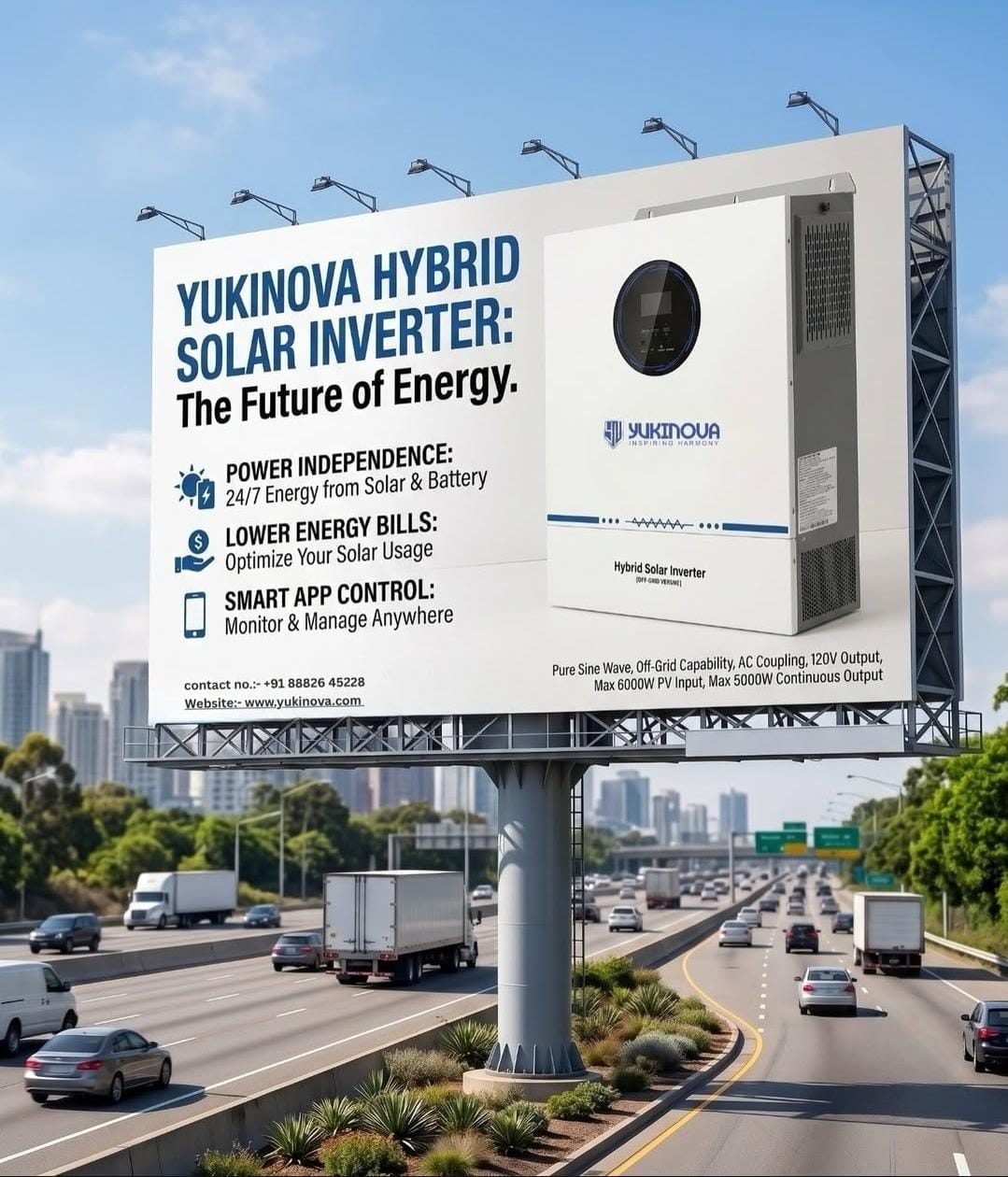
Solar energy offers households an opportunity to generate some of their own electricity. A /hybrid-solar-inverter can help manage this electricity alongside compatible battery storage and available grid power.
When combined with responsible consumption habits, a suitable solar system can support a more resource-conscious approach to everyday living.
The Role of a /hybrid-solar-inverter in Sustainable Living
Solar panels generate electricity from sunlight without burning fuel during operation.
A hybrid inverter converts this electricity into usable power and manages supported energy sources according to system requirements.
Using solar electricity may reduce dependence on grid electricity generated from fossil fuels, depending on the local electricity generation mix.
However, the environmental impact of manufacturing, transporting and eventually disposing of equipment should also be considered.
Start With Energy-Efficient Appliances
Reducing unnecessary electricity consumption is an important part of sustainable living.
Energy-efficient appliances can help households meet their daily requirements using less electricity.
Consider replacing inefficient lighting with LED alternatives and reviewing energy efficiency information when purchasing new appliances.
Lower electricity demand may also reduce the capacity required from a solar and battery system.
Make Better Use of Daylight
Natural daylight can reduce the need for artificial lighting in suitable rooms.
Opening curtains during appropriate hours and arranging workspaces near windows may help reduce daytime lighting consumption.
Households with solar installations can also schedule suitable electricity-consuming activities during periods of good solar generation.
This approach may improve direct solar consumption without requiring additional battery storage.
Think About Responsible Battery Ownership
Batteries contain materials that require proper handling throughout their service life.
Purchasing compatible batteries and following approved charging practices can help prevent unnecessary equipment damage.
When batteries reach the end of their useful life, they should be transferred to authorised collection or recycling channels.
Never dispose of used batteries with ordinary household waste.
Responsible disposal is an important part of sustainable energy ownership.
Avoid Buying More Capacity Than You Need
A larger solar system requires additional equipment and financial investment.
Selecting capacity based on realistic household electricity requirements can help avoid unnecessary resource use.
Discuss your current consumption and expected future needs with a qualified installer.
A balanced system should reflect practical requirements rather than simply offering the highest available capacity.
Build Long-Term Energy Awareness
Review electricity bills, monitor available solar generation and understand how household activities affect consumption.
Encourage family members to switch off unused devices and report unusual equipment behaviour.
These habits can support better energy management even when solar production changes throughout the year.
Conclusion
A /hybrid-solar-inverter can form part of a sustainable home energy strategy when combined with efficient appliances, responsible battery ownership and sensible electricity consumption.
Sustainable living depends on how effectively resources are used throughout their life cycle.
Visit Yukinova to explore hybrid inverter solutions for your household energy planning.
Frequently Asked Questions
1. Is solar electricity completely free of environmental impact?
No. Equipment manufacturing, transportation and disposal also have environmental impacts.
2. Can efficient appliances reduce solar system requirements?
Yes. Lower electricity demand may reduce the required system capacity.
3. Are used solar batteries recyclable?
Many battery materials can be recovered through suitable authorised recycling processes.
4. Does using solar electricity reduce fossil fuel dependence?
It may reduce demand for fossil-fuel-generated electricity, depending on the local energy mix.
5. Is sustainable living possible without battery storage?
Yes. Energy efficiency and direct solar consumption can support sustainability without batteries.