Same Patient, Same Hospital, Two Different Doctors — Only One Mother Walked Home
Why a Fellowship in High-Risk Pregnancy Matters for Today's OB-GYNs
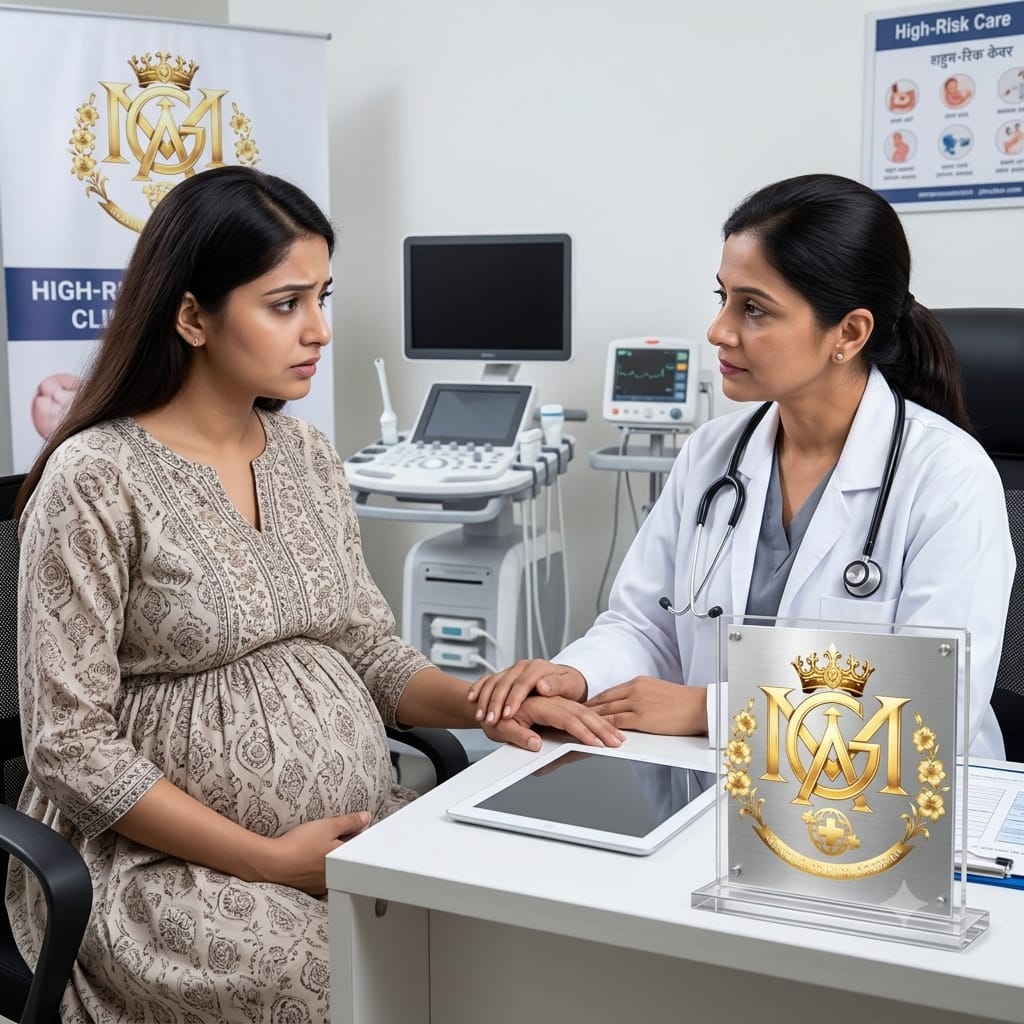
A 34-year-old woman, 36 weeks pregnant, visits a clinic with a headache, swollen feet, and blood pressure of 150/100 mmHg.
One doctor dismisses the symptoms as normal pregnancy changes. Another investigates immediately and identifies preeclampsia.
The difference? Clinical knowledge and preparedness.
Why High-Risk Pregnancy Training Matters
Maternal complications such as preeclampsia, eclampsia, gestational diabetes, and postpartum haemorrhage can become life-threatening without timely diagnosis and management.
Today's obstetricians increasingly encounter complicated pregnancies involving:
Advanced maternal age.
IVF and multiple pregnancies.
Diabetes and hypertension.
Fetal growth restriction.
Placental complications.
Preterm labour.
Managing these conditions requires more than routine antenatal knowledge. Doctors need specialised skills in risk assessment, fetal monitoring, emergency management, and clinical decision-making.
What Can a Fellowship Teach You?
A structured Fellowship in High-Risk Pregnancy can help doctors strengthen their understanding of:
Preeclampsia and eclampsia management.
Gestational and pre-existing diabetes.
Fetal Doppler and ultrasound.
Twin and multiple pregnancies.
Placenta previa and accreta.
Preterm labour.
Postpartum haemorrhage and obstetric emergencies.
These skills can support better clinical decisions, early identification of complications, and timely specialist referrals.
Why Consider Medical Global Academy?
For doctors looking to expand their knowledge while continuing their professional practice, Medical Global Academy offers a dedicated Fellowship in High-Risk Pregnancy.
Before enrolling, review the curriculum, faculty credentials, practical learning opportunities, and eligibility requirements.
Explore the programme:
Medical Global Academy – Fellowship in High-Risk Pregnancy
The Difference Is Preparation
Every complicated pregnancy deserves careful attention. A headache, elevated blood pressure, or unusual symptom should never be dismissed without appropriate assessment.
The right training can help doctors recognise warning signs, make informed decisions, and understand when urgent intervention is needed.
Because in maternal healthcare, knowledge is not just a career advantage. It is a responsibility.
Medical education note: This article is for educational purposes. Clinical decisions should follow current guidelines and individual patient assessment.