Competition is an important part of every athlete's journey. Athletes train hard, practise their skills, and spend time preparing for important matches. However, when competition day arrives, pressure and expectations can sometimes affect their performance. Even talented athletes may struggle with nervousness, self-doubt, and a lack of concentration. Learning how to manage these challenges is an important part of becoming a successful athlete. Mental coaching helps athletes prepare their minds and perform with greater confidence.
Understanding Competition Pressure
Competition pressure is a common challenge in sports. Athletes may worry about losing, making mistakes, or disappointing their coaches and teammates. These thoughts can create stress and affect decision-making. Mental performance coaching helps athletes understand their emotions and develop healthier ways to respond to pressure. Instead of focusing on the fear of failure, athletes learn to concentrate on their preparation and the actions they can control.
Building Confidence Before the Big Game
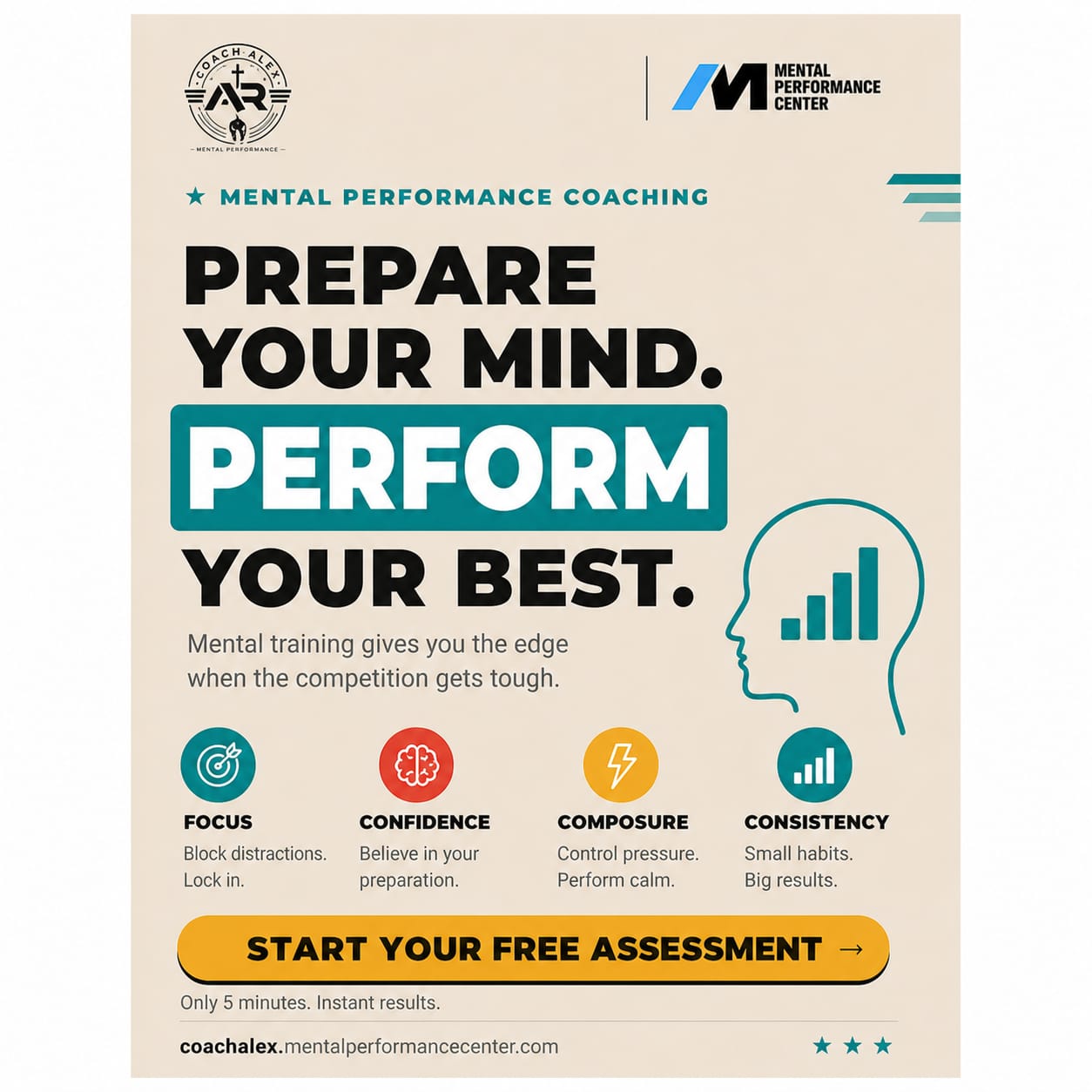
Confidence plays a major role in athletic performance. When athletes trust their abilities, they can approach competitions with a positive mindset. However, confidence can become weaker after a poor performance or a difficult experience. A mental performance coach helps athletes recognise their strengths, develop positive self-talk, and build belief in their preparation. Small achievements and consistent practice can also improve self-confidence over time.
Staying Focused During Important Moments
Focus is one of the most valuable skills for competitive athletes. During a game, distractions can come from the crowd, opponents, teammates, or previous mistakes. Losing concentration can affect performance. Mental training teaches athletes to bring their attention back to the present moment. Deep breathing, visualization, and simple focus routines can help athletes stay connected to their performance.
Turning Mistakes Into Learning Opportunities
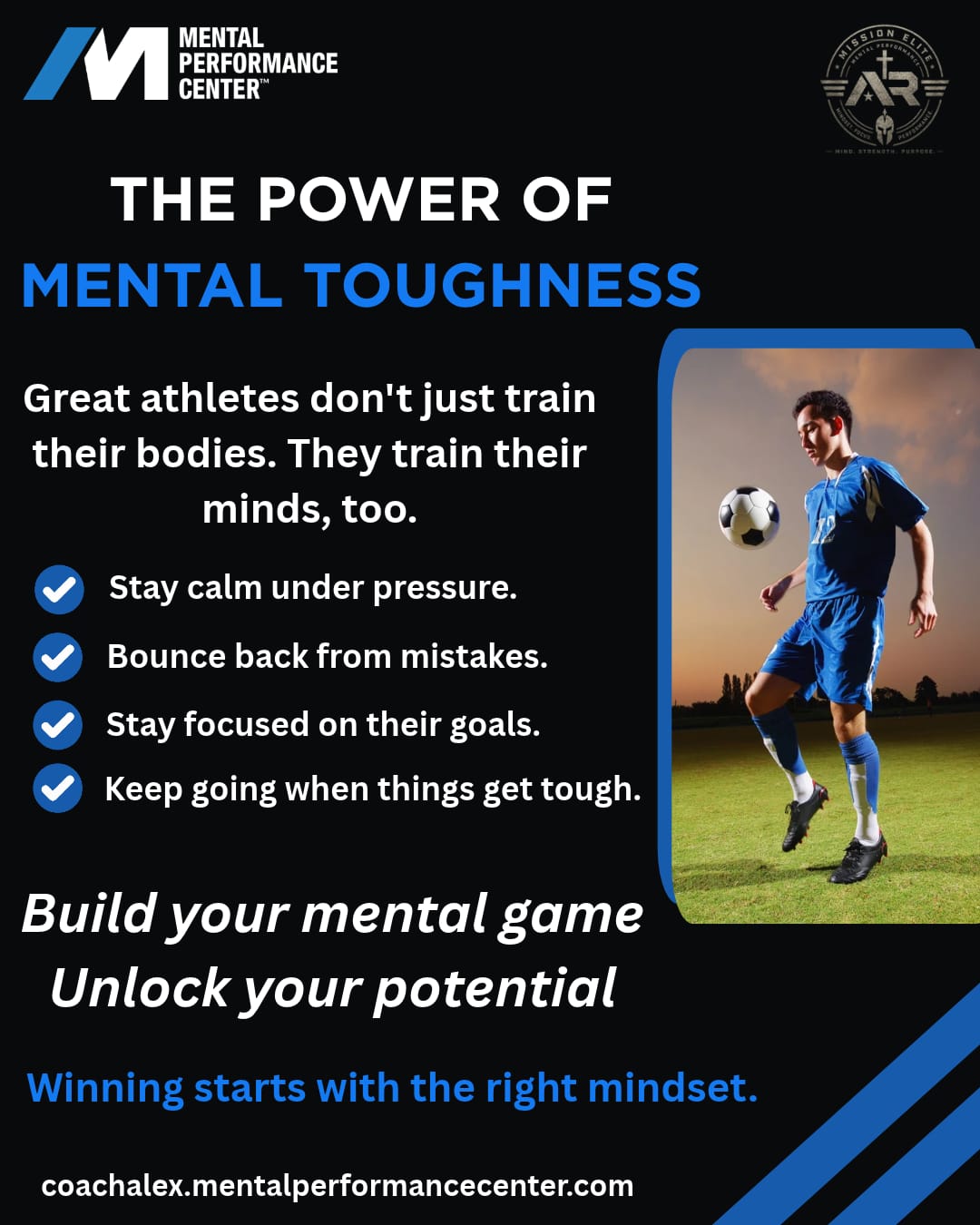
No athlete performs perfectly in every competition. Mistakes and losses are part of sports. What matters is how athletes respond after a difficult experience. Some players lose confidence, while others use the experience to understand what they need to improve. Mental toughness helps athletes recover from setbacks and continue working toward their goals. Learning from mistakes can develop patience, discipline, and a stronger mindset.
Creating a Strong Pre-Competition Routine
A good pre-competition routine can help athletes feel mentally prepared. It may include breathing exercises, positive self-talk, visualization, goal reminders, and physical warm-ups. Following a familiar routine can help athletes feel more organised and focused before a competition. The best routine is simple, practical, and suitable for the individual athlete.
Why Competitive Athletes Need Mental Coaching
Mental coaching is useful for athletes at different levels, from young players to experienced professionals. It supports the development of confidence, concentration, motivation, emotional control, and mental toughness. Whether an athlete participates in football, cricket, tennis, basketball, athletics, or another sport, mental preparation can support their overall development.
Conclusion
Moving from pressure to peak performance requires more than physical practice. Athletes also need the ability to manage emotions, maintain confidence, and stay focused when challenges appear. Mental performance coaching helps athletes develop these skills and prepare for important moments. A strong mindset does not guarantee victory, but it can help athletes approach every competition with greater confidence and control.
Prepare your mind. Trust your training. Compete with confidence.
Learn more about mental performance coaching at https://coachalex.mentalperformancecenter.com/.