Losing a game is never easy for an athlete. After spending hours practising, training, and preparing for competition, a disappointing result can affect confidence and motivation. Some athletes become frustrated, while others start questioning their abilities.
However, losing is a normal part of every sport. Even the best athletes experience defeats, difficult competitions, and unexpected setbacks. What makes a difference is how they respond and what they learn from the experience.
A Mental Performance Coach helps athletes develop the mindset to handle disappointment, rebuild confidence, and return to training with a positive attitude.
Why Do Athletes Struggle After Losing?
A loss can affect athletes in different ways. Some may feel disappointed for a few hours, while others may continue thinking about the result for days.
Common reasons include:
Feeling that they have disappointed their team.
Losing confidence in their abilities.
Comparing themselves with other players.
Worrying about future competitions.
Thinking repeatedly about mistakes.
Losing motivation to practise.
These feelings are understandable. Athletes need time to process disappointment and learn how to move forward.
1. Accept the Result and Move Forward
The first step after losing is accepting what happened. Athletes cannot change the final result, but they can control what they do next. Instead of spending too much time thinking about the loss, they can focus on learning and improving.
Accepting a result does not mean giving up. It means understanding that one game does not decide your entire sporting journey. A mental performance coach can help athletes develop a healthier response to disappointment.
2. Learn From Your Mistakes
Every competition provides an opportunity to learn something new. After losing a game, athletes should take time to understand what happened. They can think about their decisions, preparation, concentration, and performance.
Ask yourself:
What did I do well during the game?
What mistakes did I make?
When did I lose concentration?
What can I practise before the next competition?
These questions help athletes focus on improvement instead of blaming themselves.
3. Rebuild Your Confidence
A disappointing performance can make athletes doubt their abilities. They may start thinking that they are not good enough or that they will lose again. Building confidence requires patience and consistent effort. Athletes can improve confidence by:
Remembering previous achievements.
Recognising their strengths.
Setting small training goals.
Using positive self-talk.
Focusing on personal progress.
Trusting their preparation.
Confidence grows when athletes recognise their improvement and continue working toward their goals.
4. Develop Mental Toughness
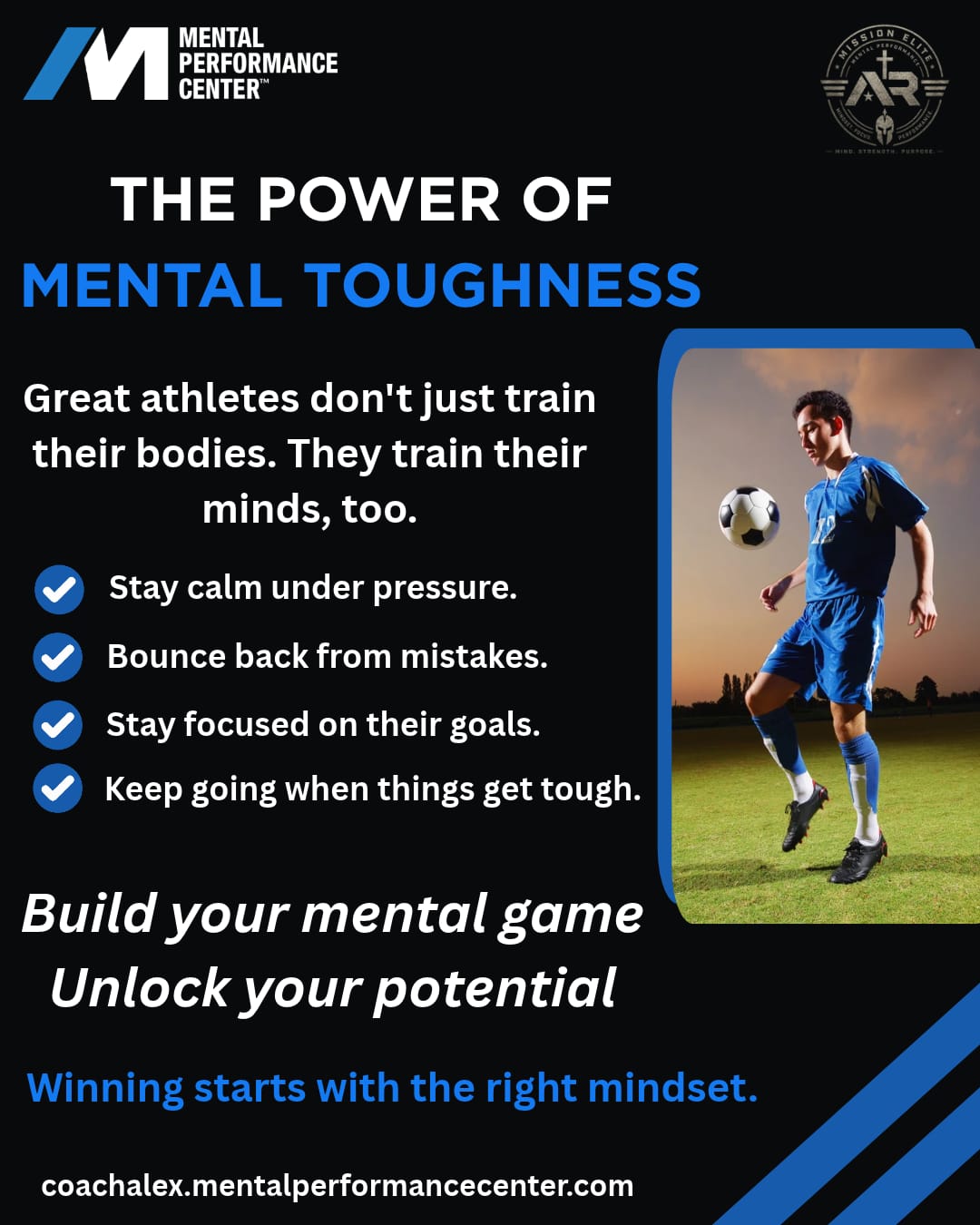
Mental toughness is an important skill for every athlete. It helps them continue working through difficult situations without allowing setbacks to control their future. A mentally tough athlete understands that losing is not the end of their journey. Mental toughness can help athletes:
Stay motivated after defeat.
Handle difficult training sessions.
Control negative thoughts.
Recover after mistakes.
Remain focused on long-term goals.
Keep working when progress feels slow.
A mental performance coach can help athletes practise these skills and develop a stronger mindset.
5. Stop Comparing Yourself With Other Athletes
Comparing your performance with others can create unnecessary pressure.
Every athlete has a different journey, experience, training routine, and development speed. Someone else's success does not mean you are failing. Instead of comparing results, focus on your own progress. Ask yourself whether you are improving your skills, becoming more disciplined, and learning from your experiences.
Personal improvement is more important than constantly trying to match someone else's performance.
6. Use Positive Self-Talk After a Loss
The words athletes use after a disappointing game can influence their confidence and motivation. Negative thoughts such as "I always lose" or "I cannot play well" can make it harder to move forward. Athletes can practise more helpful thoughts:
One loss does not define me.
I can learn from this experience.
I will prepare better next time.
My hard work will help me improve.
I am still growing as an athlete.
Positive self-talk should be realistic. It helps athletes focus on what they can learn and do next.
7. Return to Training With a Clear Goal
After a loss, athletes should return to their normal training routine when they are physically and emotionally ready. Rather than trying to fix everything at once, choose one or two areas for improvement.
For example:
A football player may work on passing accuracy and decision-making.
A tennis player may practise serving and concentration.
A basketball player may focus on shooting technique and confidence.
A runner may work on pacing and training consistency.
Small improvements can help athletes feel more prepared for their next competition.
8. How Coaches and Parents Can Support Athletes
Athletes need encouragement, especially after difficult performances. Coaches and parents can support them by listening, recognising their effort, and helping them focus on learning instead of only the result. Instead of asking only, "Why did you lose?" they can ask, "What did you learn from this game?" Supportive communication can help athletes maintain motivation and develop a healthier relationship with competition.
Why Mental Performance Coaching Matters
Physical training develops athletic skills, but athletes also need mental skills to handle the challenges of competition. A mental performance coach helps athletes work on confidence, focus, emotional control, and mental toughness.
Through regular mental training, athletes can learn how to respond to setbacks, manage pressure, and maintain a positive approach to improvement. Mental performance coaching supports athletic development. It does not replace physical training, technical coaching, or professional mental health support when needed.
Conclusion: A Loss Is a Lesson, Not the End
Every athlete experiences winning and losing. A disappointing result may feel difficult today, but it can also become an opportunity to learn and grow. A Mental Performance Coach helps athletes rebuild confidence, develop mental toughness, and prepare for future challenges with a stronger mindset.
Remember, one loss does not define your ability, your talent, or your future. What matters is how you respond, what you learn, and how you continue working toward your goals.
Learn From Every Game. Grow Stronger Every Day.
Visit Coach Alex Mental Performance Center to learn more about mental performance coaching and develop the mindset to perform with confidence.