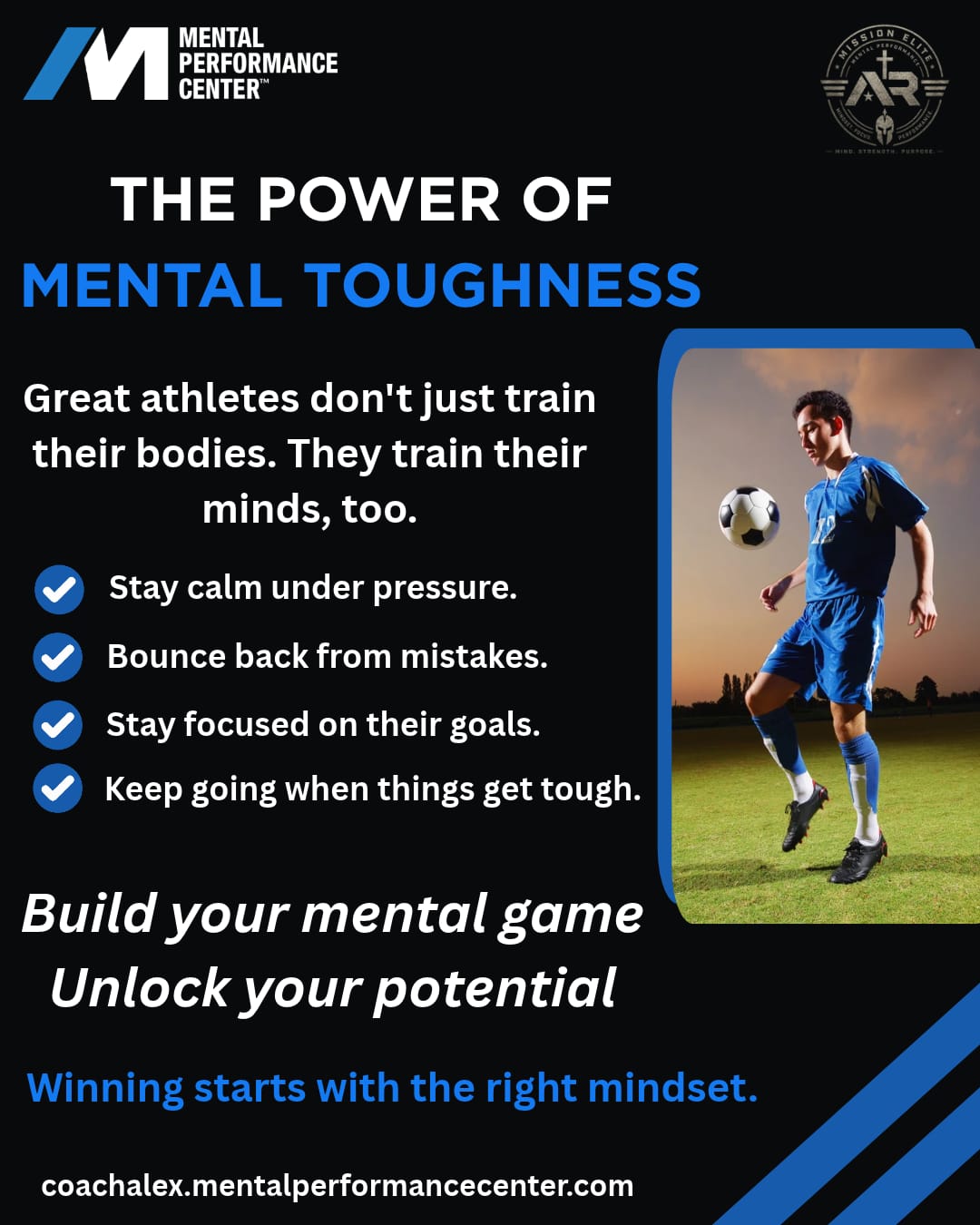
Athletes spend hours practicing their skills, improving their fitness, and preparing for competitions. However, physical training is only one part of sports performance. The way athletes think, handle mistakes, and respond to challenges can also affect their results.
Fear of failure is a common problem in sports. Athletes may worry about losing a match, disappointing their coach, or making mistakes in front of others. These thoughts can reduce confidence and make it difficult to perform at their best.
A mental performance coach helps athletes develop the mental skills they need to face challenges, manage negative thoughts, and perform with greater confidence.
What Is Fear of Failure in Sports?
Fear of failure happens when an athlete worries too much about making mistakes or losing a competition. Instead of focusing on the game, the athlete starts thinking about what might go wrong.
For example, a football player may hesitate before taking a shot because they are afraid of missing. A tennis player may become nervous after losing a few points. A runner may worry so much about the final result that they forget to focus on their race plan. These experiences are normal, but athletes can learn ways to manage them.
5 Ways Athletes Can Overcome Fear of Failure
1. Focus on Effort, Not Only Results
Winning is exciting, but athletes cannot control every result. They can control their preparation, effort, attitude, and decisions.
Set small goals for each training session or competition. For example, focus on good technique, clear communication, or staying committed to the game plan.
This helps athletes measure success through their actions instead of only looking at the final score.
2. Learn to Accept Mistakes
Every athlete makes mistakes. Even experienced professionals miss shots, lose matches, and have difficult days.
Instead of thinking, “I always make mistakes,” try asking, “What can I learn from this moment?”
Accepting mistakes helps athletes recover faster and return their attention to the next play.
3. Build a Strong Pre-Competition Routine
A simple routine can help athletes feel more prepared before a competition.
It might include:
Taking slow, controlled breaths.
Visualizing successful actions.
Reviewing one or two performance goals.
Warming up with focus.
Using a positive reminder, such as “Stay calm and trust your training.”
A consistent routine can help athletes feel more organized and ready to compete.
4. Replace Negative Self-Talk
Negative thoughts can damage confidence when athletes repeat them before or during competition.
For example, replace “I am going to lose” with “I will focus on the next point.”
Instead of saying, “I cannot do this,” try “I will give my best effort and follow my plan.”
Positive self-talk does not mean ignoring problems. It means choosing helpful thoughts that support action and concentration.
5. Work With a Mental Performance Coach
A mental performance coach can help athletes understand their thinking patterns and develop practical mental training strategies.
Coaching may include goal setting, visualization, confidence-building exercises, attention control, and routines for responding to mistakes.
The aim is to help athletes use their mental skills more consistently during training and competition.
Why Mental Toughness Matters for Athletes
Mental toughness is not about never feeling nervous or upset. It is about learning to respond constructively when things become difficult.
Mentally prepared athletes work on staying focused, adapting to unexpected situations, and returning to their performance goals after setbacks.
These skills can support athletes in individual and team sports, from football and basketball to tennis, athletics, and swimming.
How Coaches and Parents Can Help
Coaches and parents can help young athletes develop a healthier relationship with competition.
They can praise effort, preparation, improvement, and good decisions instead of focusing only on winning. They can also encourage athletes to discuss their concerns without feeling ashamed.
Creating an environment where mistakes are treated as opportunities to learn can help athletes develop confidence over time.
Start Training Your Mind for Better Performance
Athletic development involves more than physical strength and technical ability. Learning to manage fear, respond to mistakes, and maintain confidence can help athletes work toward their full potential.
A mental performance coach can provide guidance and exercises that support these skills as part of an athlete's training routine.
Explore more resources and learn about mental performance coaching at the Mental Performance Center.
Your next level starts with how you prepare your mind.