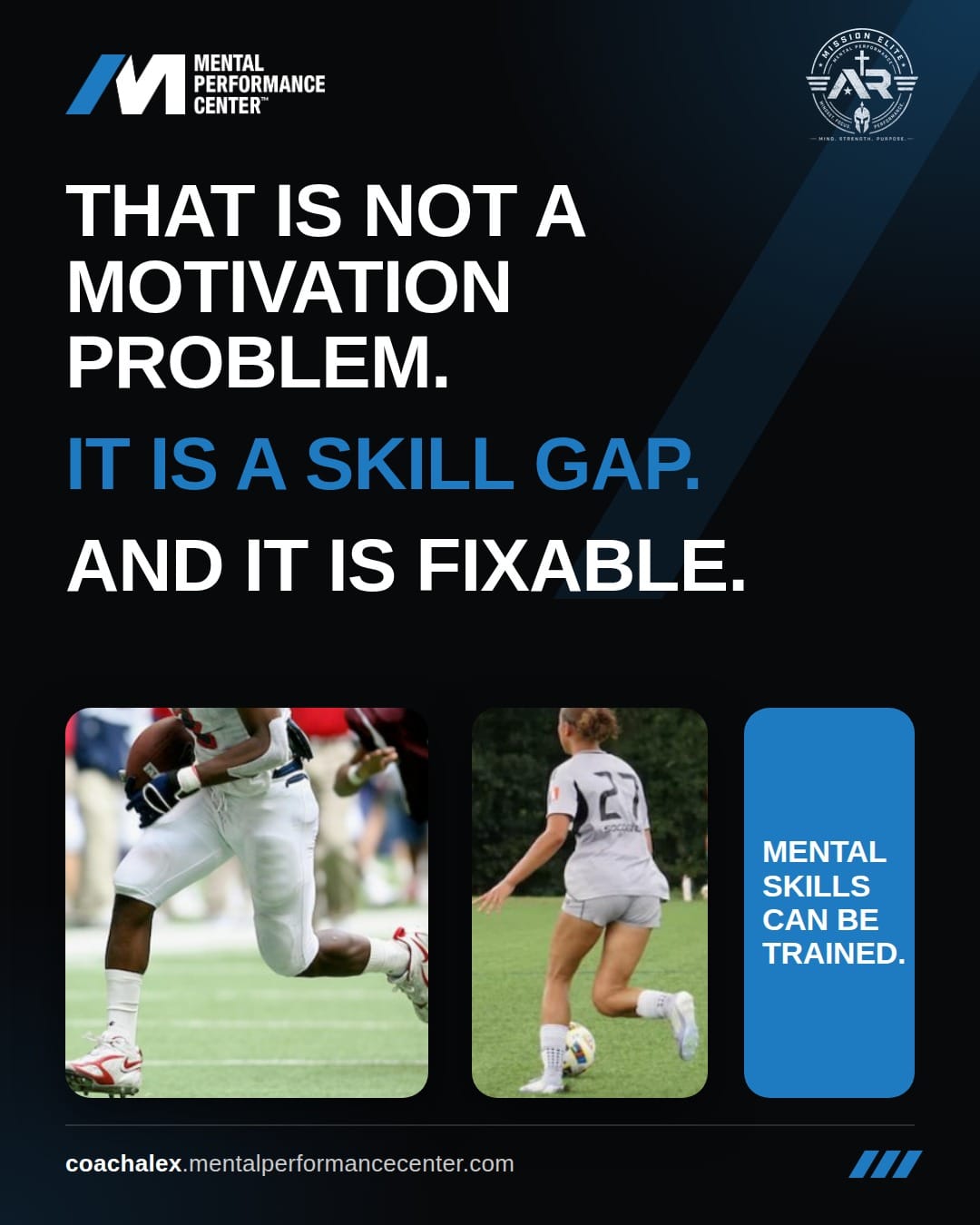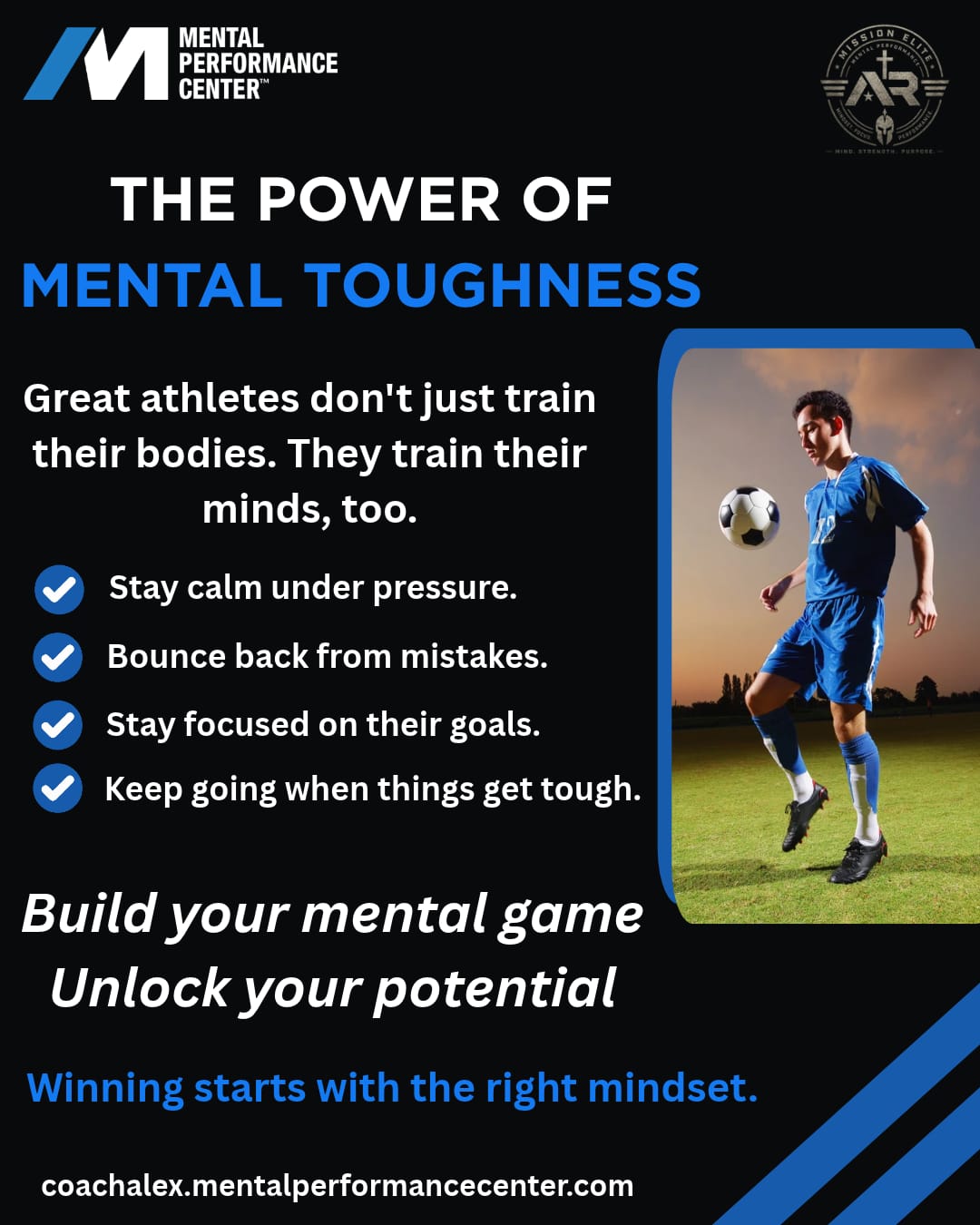
Every athlete wants to perform well, improve their skills, and achieve their goals. However, the fear of failure can sometimes stop athletes from showing their true abilities. They may worry about losing a match, making mistakes, disappointing their coach, or letting their teammates down.
These thoughts can create pressure and reduce confidence. Even athletes who train hard and have excellent physical skills may struggle when fear affects their mindset.
A Mental Performance Coach helps athletes understand these challenges and develop practical skills to handle pressure, build confidence, and focus on improvement. By training their minds alongside their bodies, athletes can learn to approach competition with a healthier and more confident attitude.
What Is Fear of Failure in Sports?
Fear of failure happens when athletes become too worried about making mistakes or achieving a poor result. Instead of concentrating on their performance, they spend too much time thinking about what might go wrong.
For example, a football player may hesitate before taking a shot because they are afraid of missing. A tennis player may become nervous about losing a point. A runner may worry so much about their finishing time that they forget to follow their race strategy.
These feelings are common in competitive sports. However, when fear becomes too strong, it can affect decision-making, concentration, motivation, and enjoyment. Learning to manage fear can help athletes focus more effectively on their preparation and performance.
Why Do Athletes Fear Failure?
There are several reasons why athletes may develop a fear of failure.
1. Pressure to Win
Athletes sometimes believe that winning is the only way to prove their ability. They may feel disappointed or embarrassed when they lose. Learning to value effort, improvement, and preparation alongside results can help athletes develop a more balanced mindset.
2. Fear of Criticism
Some athletes worry about what their coaches, parents, teammates, or spectators will think if they make a mistake. This worry can distract them from the task in front of them. Athletes can benefit from learning to focus on their own actions and communicate openly with trusted people.
3. Past Disappointments
A previous loss or poor performance can create doubts about future competitions. Athletes may begin to expect the same result again. Instead of treating one disappointing experience as proof of future failure, athletes can review what happened and identify useful lessons.
4. Comparing Themselves With Others
Constant comparison with teammates or competitors can make athletes feel that they are not good enough. A healthier approach is to track personal progress, recognize individual strengths, and set goals based on areas they can improve.
How a Mental Performance Coach Helps Athletes
A Mental Performance Coach can help athletes recognize the thoughts and behaviours that make fear more difficult to manage. Coaching can also provide practical techniques for improving mental preparation.
The aim is not to promise that athletes will never feel nervous or lose a competition. It is to help them respond to challenging feelings in ways that support their performance.
1. Build Confidence Through Preparation
Confidence develops through preparation, practice, experience, and realistic self-belief. Athletes can strengthen confidence by reviewing their progress, recognizing their strengths, and remembering the skills they have practiced. A mental performance coach may help an athlete identify personal strengths and create a plan for handling difficult situations.
For example, a basketball player who worries about missing free throws can practice a consistent routine, focus on technique, and measure progress over time. This shifts attention away from fear and toward actions that support improvement.
2. Replace Negative Self-Talk
Negative self-talk can make fear of failure stronger. Thoughts such as “I cannot do this” or “I will let everyone down” can affect concentration and confidence.
Athletes can learn to notice these thoughts and respond with more useful statements.
For example:
Instead of “I must not make a mistake,” try “I will focus on my next action.”
Instead of “I am not good enough,” try “I am learning and improving through practice.”
Instead of “What if I lose?” try “I will give my best effort and follow my plan.”
Helpful self-talk should be realistic rather than overly positive. Its purpose is to direct attention toward preparation, effort, and the next useful step.
3. Focus on the Process, Not Only the Result
Winning is an important goal for many athletes, but the final result is not always fully within their control. Athletes can control how they prepare, how much effort they give, how they communicate, and how they respond to mistakes. Process goals help athletes focus on these actions.
For example, a tennis player may focus on footwork, serving routines, and staying composed between points rather than thinking constantly about the final score. A mental performance coach can help athletes identify practical goals that keep their attention on the performance itself.
4. Learn to Manage Competition Pressure
Competition pressure can make athletes feel nervous, tense, or distracted. These feelings do not necessarily mean an athlete is unprepared. Athletes can practice breathing techniques, visualization, and pre-competition routines to help them feel more organized.
They can also rehearse challenging situations during training, such as performing a skill when tired or practicing a routine under time pressure. The more familiar athletes become with their preparation strategies, the easier it may be to use them when competition feels challenging.
5. Develop Mental Toughness
Mental toughness means responding constructively when difficulties arise. It does not mean ignoring emotions or pretending that setbacks do not matter. A mentally tough athlete can acknowledge disappointment, learn from mistakes, and return to their training goals.
A mental performance coach can help athletes develop routines for resetting after an error, reviewing a performance, and preparing for the next challenge. These skills can support resilience and encourage athletes to keep improving even when progress is not immediate.
Practical Ways Athletes Can Overcome Fear of Failure
Athletes can begin working on fear of failure through simple habits practiced regularly.
Set Small, Achievable Goals
Large goals can sometimes feel overwhelming. Breaking them into smaller steps makes progress easier to track. For example, instead of focusing only on winning a tournament, an athlete might work on improving one technical skill, maintaining concentration, or following a consistent routine. Small goals provide clear actions to practice and review.
Practice Visualization
Visualization involves imagining yourself performing a skill or responding effectively to a situation. An athlete can mentally rehearse staying calm after a mistake, following a pre-game routine, or making a confident decision during competition. Visualization should be realistic and used alongside physical practice.
Learn From Mistakes
Mistakes are part of learning any sport. Instead of treating every mistake as a personal failure, athletes can ask three simple questions:
What happened?
What can I learn from it?
What will I try next time?
This approach turns mistakes into useful information and helps athletes focus on improvement.
Use Breathing to Reset
When athletes feel nervous, slow and comfortable breathing may help them settle and bring their attention back to the present moment.
They can take a few controlled breaths before training, before a competition, or after making a mistake. Breathing is not a guarantee that nervousness will disappear, but it can be a useful part of a mental preparation routine.
Celebrate Progress
Athletes often focus only on what they have not achieved yet. Recognizing small improvements can help them maintain motivation.
Progress may include better concentration, improved technique, a more consistent routine, or a stronger response to pressure.
Recognizing these improvements encourages athletes to value the learning process, not only the final result.
How Coaches and Parents Can Support Athletes
Coaches and parents can influence how athletes think about success and failure. When every conversation focuses only on winning, athletes may feel that mistakes are unacceptable. This can increase fear and make it harder for them to take healthy risks and learn new skills.
Supportive communication can help create a more positive environment. Adults can praise effort, preparation, teamwork, and improvement rather than focusing only on results.
After a difficult competition, asking an athlete what they learned or what they want to improve may be more helpful than criticizing every mistake.
Athletes should understand that one performance does not define their value or their future potential.
The Importance of Mental Training in Long-Term Athletic Development
Mental skills develop through regular practice, just like physical skills. Athletes should not wait until a major competition to begin working on confidence, focus, and emotional control.
Including short mental training activities in a weekly routine can help athletes become more familiar with the techniques they find useful. They can practice goal-setting before training, visualization before competition, and performance reflection after an event.
Over time, these habits can help athletes become more aware of their thoughts, better prepared for challenges, and more focused on continuous improvement. Every athlete develops at a different pace, so progress should be reviewed according to individual goals and needs.
When Should an Athlete Seek Additional Support?
Some nervousness is a normal part of competition. However, if fear becomes overwhelming, continues outside sports, affects sleep, or causes significant distress, additional support may be helpful.
A mental performance coach can work on performance-related skills within their professional scope. A qualified mental health professional can assess and support more serious or ongoing anxiety and emotional difficulties.
Seeking support is a positive step toward wellbeing and development, not a sign of weakness.
Conclusion Turn Fear Into an Opportunity for Growth
Fear of failure can affect an athlete's confidence, concentration, and enjoyment of sport. However, athletes can learn to respond to these feelings with practical mental skills and consistent preparation.
A Mental Performance Coach can help athletes build confidence, improve self-talk, manage pressure, and develop a stronger focus on the process of improvement.
Success does not mean winning every competition or avoiding every mistake. It means preparing well, learning from experience, and continuing to work toward meaningful goals.
By developing a healthier mindset, athletes can approach challenges with greater confidence and give themselves more opportunities to perform at their best.
Visit Mental Performance Center to learn more about mental performance coaching and strategies for building a stronger athletic mindset.
Frequently Asked Questions
What does a mental performance coach do?
A mental performance coach helps athletes develop skills such as confidence, concentration, goal-setting, emotional control, and competition preparation.
Why do athletes fear failure?
Athletes may fear failure because of pressure to win, concern about criticism, past disappointments, or comparisons with others.
How can athletes build confidence after losing?
Athletes can review what they learned, recognize their strengths, set achievable goals, and focus on specific improvements for future competitions.
Can mental performance coaching help athletes manage pressure?
Mental performance coaching can teach techniques such as visualization, breathing exercises, positive self-talk, and preparation routines to help athletes manage pressure.
Is fear of failure normal in sports?
Yes. Many athletes experience fear or nervousness. Learning how to respond to these feelings can help them focus on their preparation and performance.