Introduction
Search engines have evolved far beyond simple keyword matching.
In 2026, Google increasingly relies on entities, relationships, context, and semantic understanding to determine what content deserves visibility.
This is where Knowledge Graph SEO becomes important.
Instead of analyzing pages only through keywords, Google now tries to understand:
who,
what,
where,
and how different concepts connect.
This system helps search engines build a deeper understanding of the internet.
For modern SEO professionals, understanding Knowledge Graph SEO is becoming essential for long-term rankings and AI search visibility.
What Is the Google Knowledge Graph?
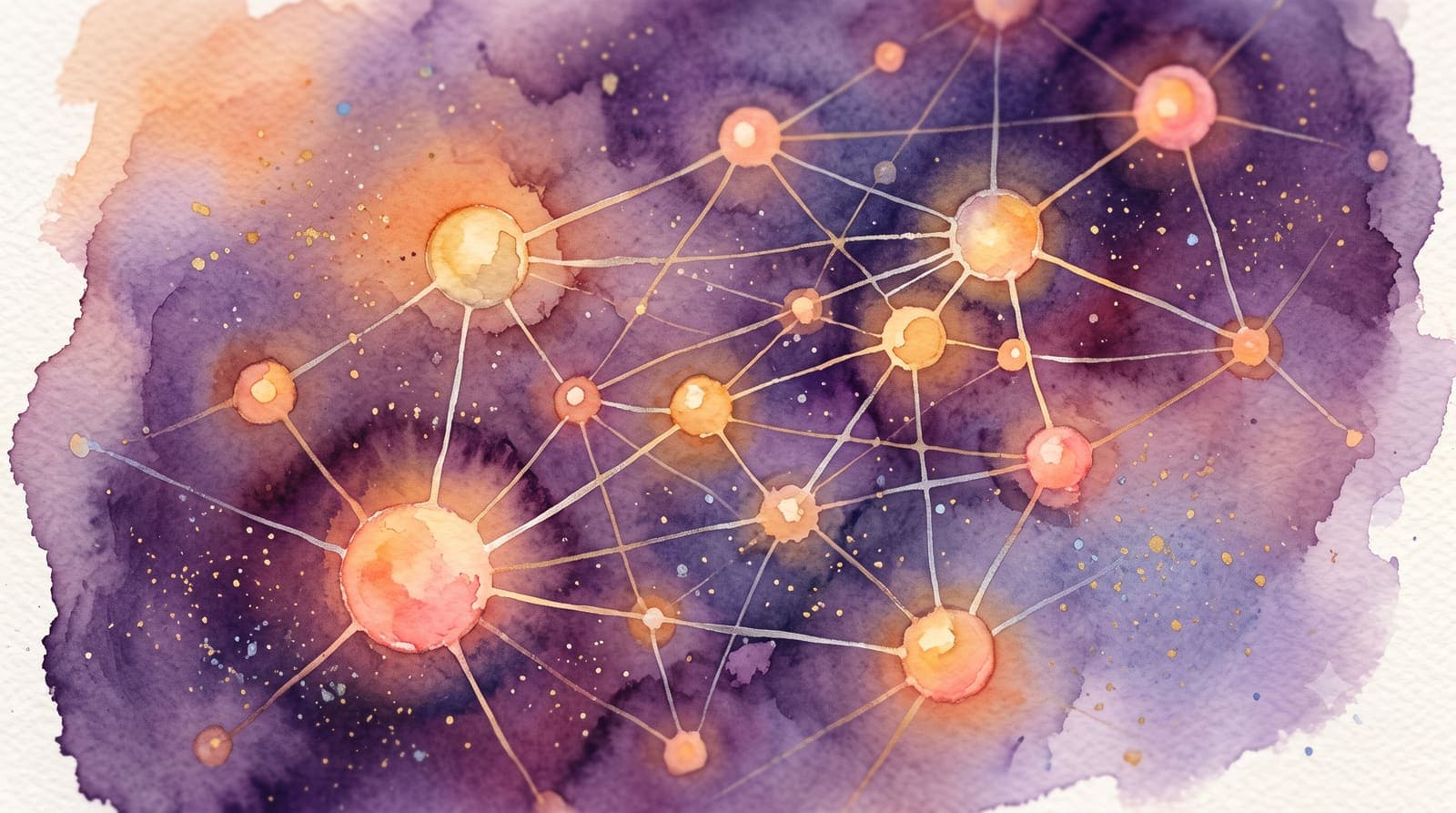
The Google Knowledge Graph is a massive database of interconnected entities and relationships.
An entity can be:
a person,
company,
place,
topic,
event,
product,
or concept.
Google connects these entities to better understand context and meaning.
For example:
“Apple” could mean a fruit or a technology company.
The Knowledge Graph helps Google determine the correct meaning based on surrounding context.
This allows search engines to provide more accurate results and AI-generated answers.
What Is Knowledge Graph SEO?
Knowledge Graph SEO is the process of optimizing content so search engines clearly understand:
your entities,
topic relationships,
contextual relevance,
and authority signals.
The goal is not just ranking for keywords.
The goal is becoming a recognized entity inside Google’s understanding system.
Why Knowledge Graph SEO Matters in 2026
AI-powered search systems now rely heavily on semantic understanding.
Google AI Overviews, conversational search, and AI-generated summaries work by interpreting relationships between entities.
Websites that clearly establish:
expertise,
topical depth,
and entity relationships
often perform better in modern search environments.
Knowledge Graph SEO improves:
topical authority,
AI visibility,
semantic relevance,
and trust signals.
Keywords vs Entities
Traditional SEO focused on keywords.
Modern SEO focuses on meaning.
For example:
Old SEO Approach
Target keyword:
“best SEO tools”
Modern Entity-Based SEO
Google also analyzes:
SEO software,
digital marketing,
analytics,
optimization,
content strategy,
and related concepts.
This creates contextual understanding.
That is why semantic coverage matters more than keyword stuffing.
How Google Understands Entities
Google uses multiple signals to understand entities:
1. Structured Data
Schema markup helps search engines identify:
authors,
articles,
organizations,
FAQs,
products,
and relationships.
Structured data improves clarity.
2. Internal Linking
Internal links help Google understand:
page relationships,
topic hierarchy,
and contextual relevance.
Strong internal linking strengthens semantic understanding.
3. Consistent Context
When multiple pages consistently discuss related concepts, Google builds stronger confidence in your expertise.
This strengthens topical authority.
4. Brand Mentions
Mentions across the web help establish entity recognition.
This includes:
citations,
references,
and contextual discussions.
Brand mentions are becoming increasingly important in AI search.
How Knowledge Graph SEO Helps AI Overviews
AI-generated search systems summarize information from trusted sources.
Pages with:
clear structure,
strong entity relationships,
and contextual depth
have a higher chance of being referenced.
This is why modern SEO increasingly overlaps with semantic engineering.
Best Practices for Knowledge Graph SEO
1. Build Topical Clusters
Create interconnected content around one niche.
Avoid publishing unrelated random topics.
2. Use Entity-Rich Writing
Naturally mention:
related concepts,
technologies,
tools,
and semantic connections.
3. Improve Internal Linking
Connect relevant pages strategically.
This helps Google understand your site architecture.
4. Add Structured Data
Use schema markup for:
articles,
authors,
FAQs,
breadcrumbs,
and organizations.
5. Establish Brand Authority
Consistent publishing and contextual mentions help search engines recognize your website as an entity itself.
Common Mistakes
Many websites still:
over-focus on exact-match keywords,
ignore semantic relevance,
publish disconnected content,
or lack topical structure.
These weaknesses reduce entity clarity.
The Future of SEO Is Entity-Based
Search engines are becoming knowledge systems rather than keyword indexes.
This means future SEO success depends on:
relationships,
context,
topical depth,
and semantic trust.
Knowledge Graph SEO is no longer optional.
It is becoming a foundational part of modern search visibility.
Final Thoughts
The future of SEO belongs to websites that help search engines truly understand their expertise.
Instead of optimizing only for keywords, modern websites must optimize for meaning.
Knowledge Graph SEO helps bridge that gap.
As AI search continues evolving, entity understanding will play an even bigger role in:
rankings,
AI citations,
and long-term authority.
The websites that build semantic clarity today will have the strongest visibility tomorrow.