Introduction
Modern SEO is no longer about ranking a single page for a single keyword.
Search engines now evaluate websites based on how deeply they cover an entire topic.
This is where topical maps become important.
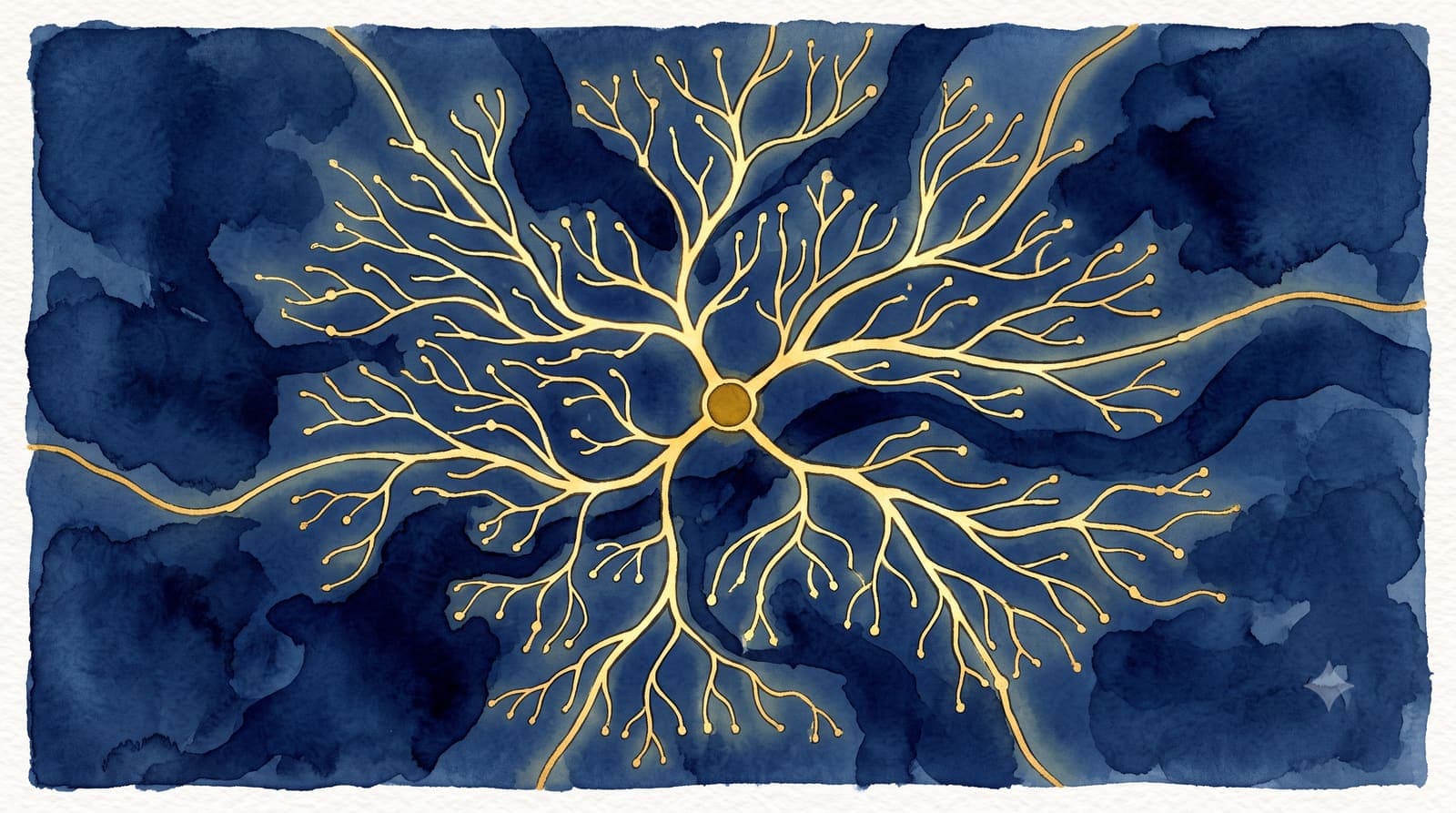
A topical map is a structured content architecture that organizes related topics, subtopics, entities, and user intent into a connected ecosystem.
Instead of publishing random articles, websites build authority by systematically covering a subject from multiple angles.
In 2026, topical maps have become one of the strongest foundations for AI-driven SEO.
What Is a Topical Map?
A topical map is a strategic content structure designed to:
organize content clusters,
establish semantic relevance,
improve internal linking,
and build topical authority.
Think of it as a blueprint for becoming an authority website in a specific niche.
For example, a website focused on AI Search SEO might cover:
AI Overviews,
Entity SEO,
Internal Linking,
EEAT,
Search Intent,
Vector Search,
and AI Citation Optimization.
Together, these pages strengthen the site's expertise signals.
Why Topical Maps Matter in 2026
Search engines increasingly rely on semantic understanding rather than isolated keywords.
Google now evaluates:
contextual relationships,
entity connections,
and coverage completeness.
Websites with strong topical maps often:
rank faster,
gain more internal authority,
improve crawl efficiency,
and become more trusted by AI systems.
How Topical Maps Improve AI Search Visibility
AI search engines work differently from traditional search systems.
Instead of matching keywords directly, they interpret:
concepts,
relationships,
intent,
and contextual meaning.
A strong topical map helps AI systems understand:
what your website specializes in,
how pages connect,
and whether your content demonstrates expertise.
This improves visibility in:
AI Overviews,
conversational search,
and semantic rankings.
Pillar Pages vs Cluster Content
A topical map usually contains two main elements.
Pillar Content
These are broad foundational articles targeting major topics.
Examples:
Topical Authority
Semantic SEO
Cluster Content
These support the pillar by covering specific subtopics.
Examples:
Knowledge Graph SEO
Information Gain SEO
Brand Mentions vs Backlinks
AI Citation SEO
Cluster pages internally link back to the main pillar.
This creates semantic reinforcement.
How to Build a Topical Map
1. Identify Your Core Topic
Choose one primary niche.
Avoid mixing unrelated industries.
Topical focus improves authority.
2. Map Supporting Subtopics
Find:
informational queries,
comparisons,
frameworks,
implementation guides,
and emerging trends.
3. Organize Content Hierarchically
Create:
pillar pages,
secondary clusters,
and advanced supporting content.
This improves crawl structure.
4. Build Strategic Internal Links
Internal links help search engines understand:
page relationships,
topic relevance,
and authority flow.
Strong internal linking is essential for topical maps.
Common Mistakes
Many websites fail because they:
publish disconnected articles,
chase random trends,
target too many niches,
or ignore semantic relationships.
Without topical structure, content authority weakens.
Final Thoughts
In 2026, SEO success increasingly depends on topical depth rather than content volume.
Topical maps help websites:
organize expertise,
improve semantic relevance,
and build stronger authority signals.
The future belongs to websites that become trusted knowledge hubs like Publisha not just content publishers.