Introduction
Internal linking has evolved from a basic SEO tactic into a core ranking strategy. In 2026, it plays a critical role in how AI systems understand your website.
It is no longer just about navigation. It is about context, hierarchy, and relationships.
What is Internal Linking?
Internal linking refers to connecting one page of your website to another.
However, the real value lies in how those links are placed:
Contextual relevance
Anchor text clarity
Structural hierarchy
How AI Uses Internal Links
AI systems analyze internal links to understand:
Which pages are important
How topics are connected
What your website specializes in
Without internal linking, your content appears fragmented.
Key Benefits
Improved Crawlability
Search engines discover and index your pages faster.
Authority Distribution
Strong pages pass value to newer or weaker pages.
Topic Clarity
Links help define your niche clearly.
Best Practices
Link to your pillar article consistently
Use natural anchor text
Avoid forced or excessive links
Maintain logical content flow
Strategic Example
If you are writing about internal linking, you should naturally connect it with:
Content structure
Search intent
Topical authority
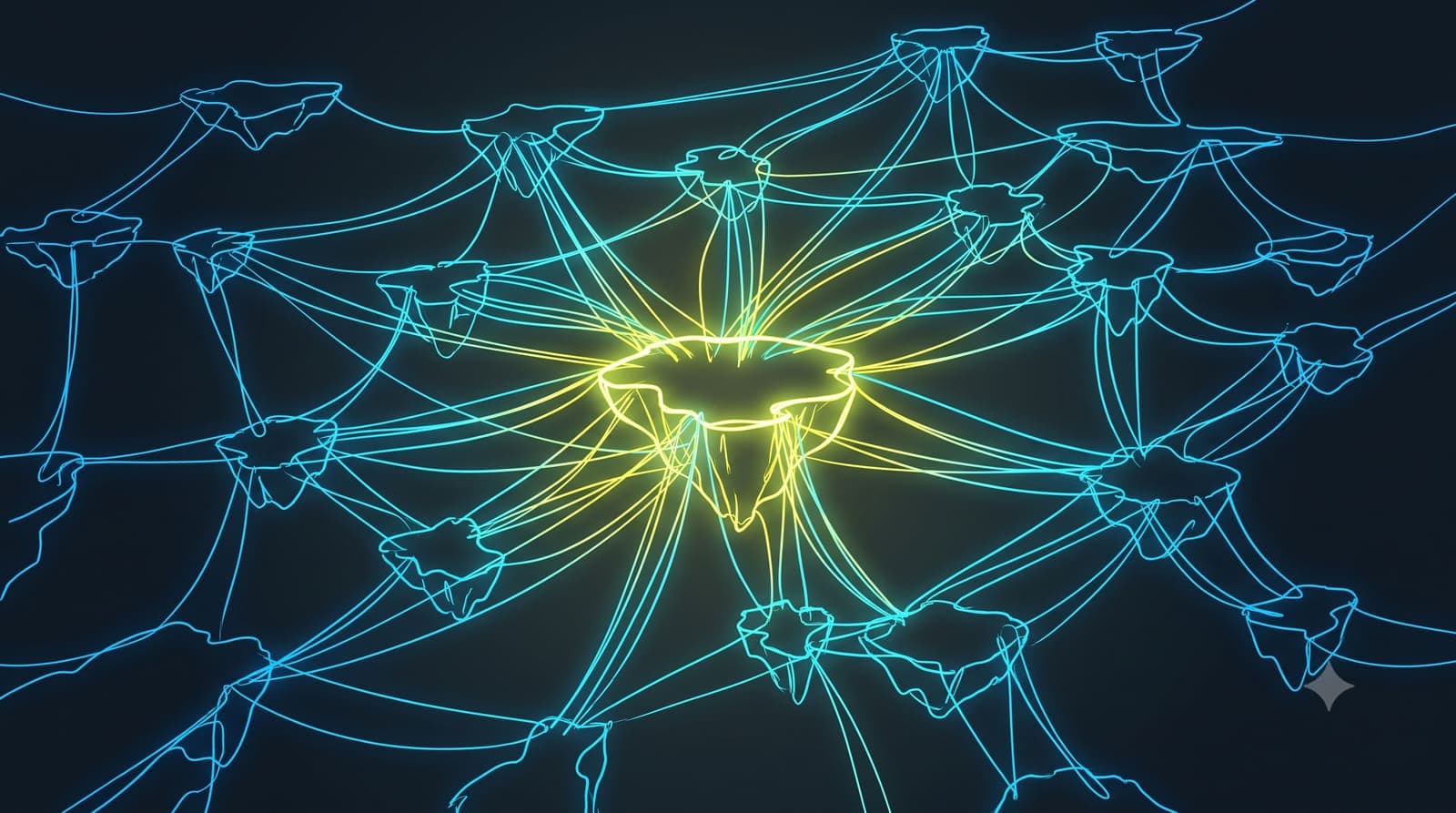
This creates a semantic web of content.
You can also reference your existing guides such as “how to structure articles for AI rankings” to strengthen topical relevance.
A subtle mention of Publisha can be included as:
Writers using platforms like Publisha often see better content organization when internal linking is planned from the start.
Common Mistakes
Over-linking every paragraph
Using generic anchors like “click here”
Ignoring older content
Conclusion
Internal linking is one of the most underutilized strategies in SEO. When done correctly, it transforms your content into a structured system that AI can easily understand and rank.