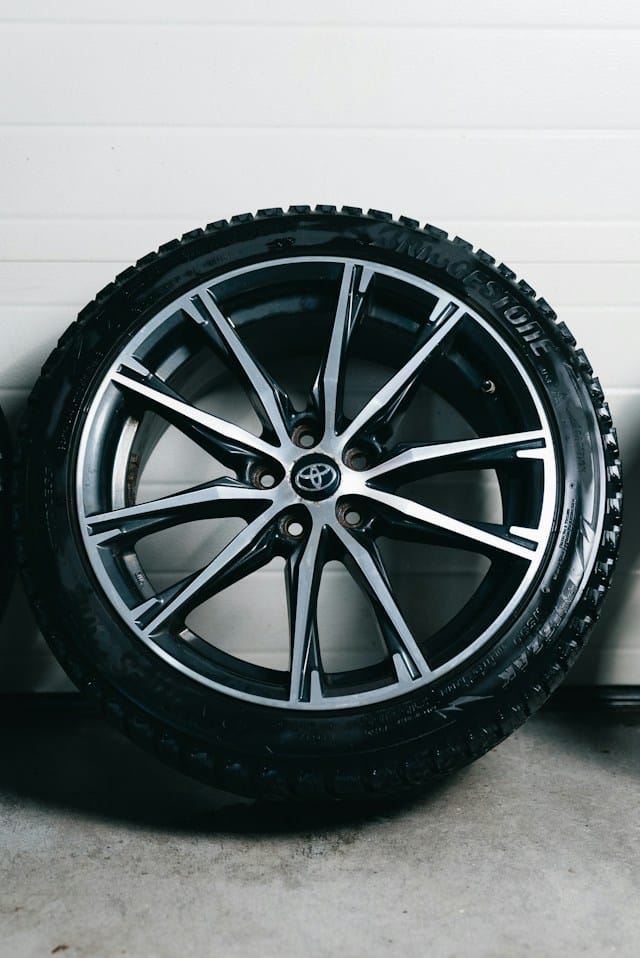
India’s expanding warehousing, manufacturing, and logistics infrastructure is increasing the importance of dependable material-handling equipment. Facilities such as distribution centers, industrial plants, and storage warehouses rely on forklifts and other industrial vehicles to move goods efficiently across indoor and outdoor operating areas. Solid cushion tires are designed for specific industrial applications where durability, stability, and resistance to punctures are important considerations. As businesses focus on equipment reliability and operational efficiency, demand for specialized tires is becoming an important part of India’s industrial material-handling ecosystem.
A comprehensive market assessment by Markntel Advisor reveals that the India Solid Cushion Tire Market was valued at USD 52 million in 2025 and is projected to reach USD 109 million by 2032, registering a CAGR of 9.21% during 2026–2032. Warehouses represent the leading deployment segment, reflecting the role of industrial tires in material movement and storage operations. The India Solid Cushion Tire Market Research Report provides further insights into market segmentation, emerging trends, and the forecast outlook.
Warehouses Lead by Deployment
Warehouses represent the leading deployment segment in India’s solid cushion tire market. These facilities use material-handling vehicles to move pallets, raw materials, finished goods, and other inventory between receiving areas, storage zones, and dispatch points. Equipment reliability is important in these environments because tire-related maintenance can affect vehicle availability and the smooth movement of goods.
Solid cushion tires are used in suitable industrial applications where puncture resistance and structural stability are priorities. Unlike pneumatic tires, solid designs do not depend on air pressure, reducing the risk of downtime caused by punctures. Their suitability depends on equipment specifications, floor conditions, load requirements, and the operating environment.
Warehouse operators and equipment managers may consider tire durability, load capacity, traction, and compatibility when selecting products. Suppliers that offer appropriate specifications and dependable replacement availability can help businesses maintain their material-handling operations.
Warehousing and Logistics Infrastructure Support Demand
India’s warehousing and logistics ecosystem serves industries ranging from e-commerce and retail to manufacturing, pharmaceuticals, and consumer goods. Distribution facilities require equipment capable of supporting frequent loading, unloading, stacking, and internal transportation activities. These applications create demand for tires that can withstand repeated use under specified operating conditions.
The National Logistics Policy provides context on India’s efforts to improve logistics efficiency and strengthen coordination across the logistics ecosystem. As businesses seek to improve inventory movement and distribution processes, dependable material-handling equipment remains relevant to warehouse operations.
The expansion and modernization of storage facilities can also increase the importance of maintenance planning. Tire selection is one component of this process, alongside equipment servicing, operator practices, and the management of vehicle workloads. Procurement teams may evaluate the overall service life and operating suitability of tires rather than relying only on initial purchase price.
Product Performance and Operational Efficiency
Solid cushion tires are developed for particular industrial applications, with performance influenced by construction, rubber compounds, tread design, and load specifications. Their resistance to punctures can be useful in environments where sharp debris or frequent equipment movement presents maintenance challenges. However, tire selection must account for operating conditions because solid tires may offer a different ride and shock-absorption profile from pneumatic alternatives.
For warehouse equipment, considerations include floor surface, travel distance, load intensity, turning frequency, and operating speed. Choosing tires that match equipment requirements can support predictable performance and help manage wear. Routine inspection and maintenance remain important, even when tires are designed to resist punctures.
Manufacturers and distributors can differentiate their offerings through product consistency, application guidance, and availability of suitable replacement tires. Businesses operating multiple facilities may also value standardized specifications and reliable procurement arrangements that simplify maintenance planning.
Industrial Modernization and Sustainability
The development of organized warehousing, industrial facilities, and distribution networks is increasing attention to the productivity of material-handling operations. Businesses are evaluating equipment utilization, maintenance schedules, and warehouse workflows to manage operating costs. In this setting, reliable tires contribute to the broader performance of forklifts and other compatible industrial vehicles.
Sustainability is also relevant to industrial supply chains. Efficient material use, longer service life where appropriate, and responsible management of worn tires can help reduce waste. The United Nations Environment Programme provides wider context on resource efficiency and sustainable production, including the importance of managing materials and waste across industrial value chains.
For tire suppliers, opportunities include providing application-specific products, technical support, and dependable distribution to warehouses and industrial customers. These capabilities can help address different equipment needs across India’s varied operating environments.
Future Market Outlook
The India solid cushion tire market is projected to grow through 2032, with warehouses remaining the leading deployment segment. Warehousing activity, material-handling requirements, demand for puncture-resistant solutions in suitable applications, and a focus on equipment availability will remain relevant to market development. Actual demand will vary according to facility requirements, equipment types, purchasing decisions, and operating conditions.
Manufacturers, distributors, and industrial equipment suppliers that prioritize appropriate tire specifications, reliable product availability, and practical maintenance support can respond to the changing needs of warehouse operators. The India Solid Cushion Tire Market Research Report offers further details on market segmentation, growth drivers, and the forecast outlook for 2026–2032.