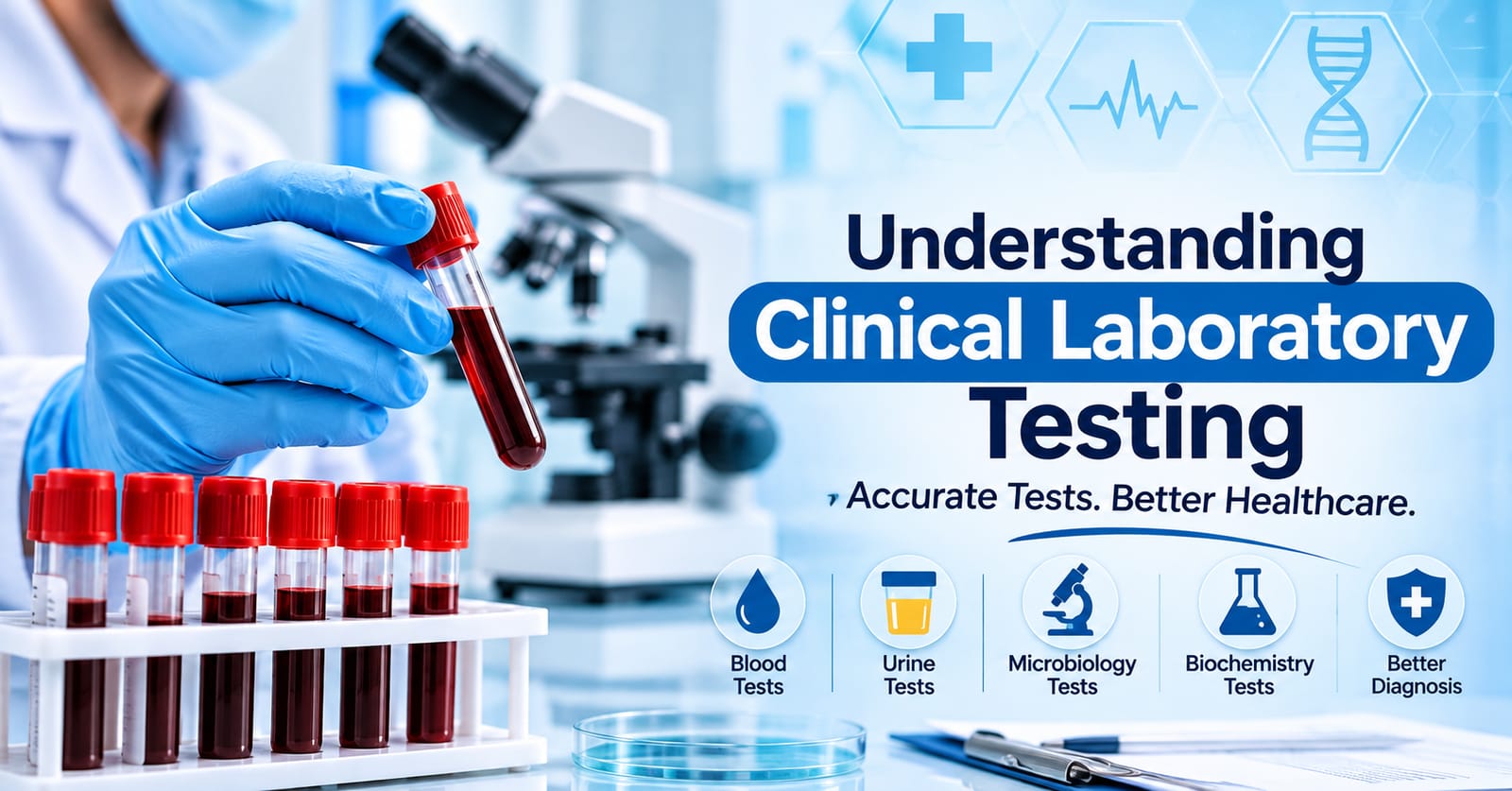
How Diagnostic Laboratory Tests Support Better Healthcare Decisions
Diagnostic laboratory testing is an important part of modern healthcare. It provides valuable information about the body's condition and helps healthcare professionals make informed decisions. From routine blood examinations to specialized diagnostic investigations, laboratory tests support the process of understanding, evaluating, and monitoring health.
What Are Diagnostic Laboratory Tests?
Diagnostic laboratory tests involve examining biological samples such as blood, urine, and other body fluids. These samples are analyzed using scientific methods and specialized laboratory equipment.
The results provide information that healthcare professionals can use alongside medical history, symptoms, and physical examinations. Different tests are designed to measure specific substances or identify particular changes in the body.
Common Diagnostic Laboratory Tests
Several laboratory investigations are commonly used in healthcare.
Complete Blood Count (CBC): This test measures different blood components, including red blood cells, white blood cells, and platelets. It provides useful information about overall blood health.
Blood Glucose Testing: Glucose tests measure the amount of sugar in the blood. They are commonly used to evaluate blood glucose levels and monitor diabetes.
Lipid Profile: This test measures cholesterol and triglycerides. It helps healthcare professionals assess certain aspects of cardiovascular health.
Urinalysis: Urine testing examines the physical and chemical properties of a urine sample. It may help identify findings that require further medical evaluation.
Liver and Kidney Function Tests: These investigations measure selected substances and enzymes that provide information about liver and kidney function.
Why Are Laboratory Tests Important?
Laboratory investigations help healthcare professionals obtain information that may not be visible during a physical examination.
They can support early investigation of health concerns, help monitor existing conditions, and provide information about how a patient responds to treatment.
Routine testing may also help identify unusual findings that require additional assessment. However, no single laboratory test can explain every aspect of a person's health.
Understanding the Testing Process
The laboratory testing process generally involves three stages.
1. Sample Collection
The process begins with collecting the required sample. Proper identification, labeling, and handling are important to avoid errors.
2. Laboratory Analysis
The collected sample is examined using appropriate laboratory methods and instruments. Quality-control procedures help laboratories maintain reliable testing standards.
3. Reporting and Interpretation
Once analysis is complete, results are prepared and shared with the appropriate healthcare professional. The findings are interpreted according to the patient's medical history and clinical condition.
Factors That Can Affect Test Results
Several factors can influence laboratory findings. These include food intake, hydration, medications, sample collection methods, storage conditions, and the timing of testing.
For this reason, patients should follow the preparation instructions provided by their healthcare professional or laboratory.
It is also important to remember that reference ranges can vary between laboratories. An unusual result does not automatically confirm a medical condition, and a normal result does not always rule one out.
The Importance of Reliable Health Information
Understanding diagnostic testing helps people participate more confidently in healthcare discussions. Educational resources can explain common laboratory procedures, the purpose of different tests, and how medical reports are generally structured.
Clinical Diagnostic Testing offers educational information about laboratory investigations and diagnostic procedures.
Readers can explore additional resources at Clinical Diagnostic Testing.
The information is intended for educational purposes and should not replace consultation with qualified healthcare professionals.
Conclusion
Diagnostic laboratory tests play an important role in healthcare by providing scientific information about different aspects of the human body. Proper sample collection, accurate analysis, and professional interpretation all contribute to meaningful laboratory results.
Learning about common diagnostic tests can help readers understand their reports and have more informed conversations with healthcare professionals.