Selling digital products eliminates many challenges associated with physical inventory and shipping. However, digital businesses still face refund requests, customer complaints, and unexpected support costs.
For example, a customer might purchase a website template only to discover that it is incompatible with their software. Another buyer might request a refund because they cannot access their downloaded files.
Entrepreneurs who want to sell digital products on shopify can use digital delivery apps such as PayDrop to simplify file distribution. However, reliable delivery is only one part of creating a positive customer experience.
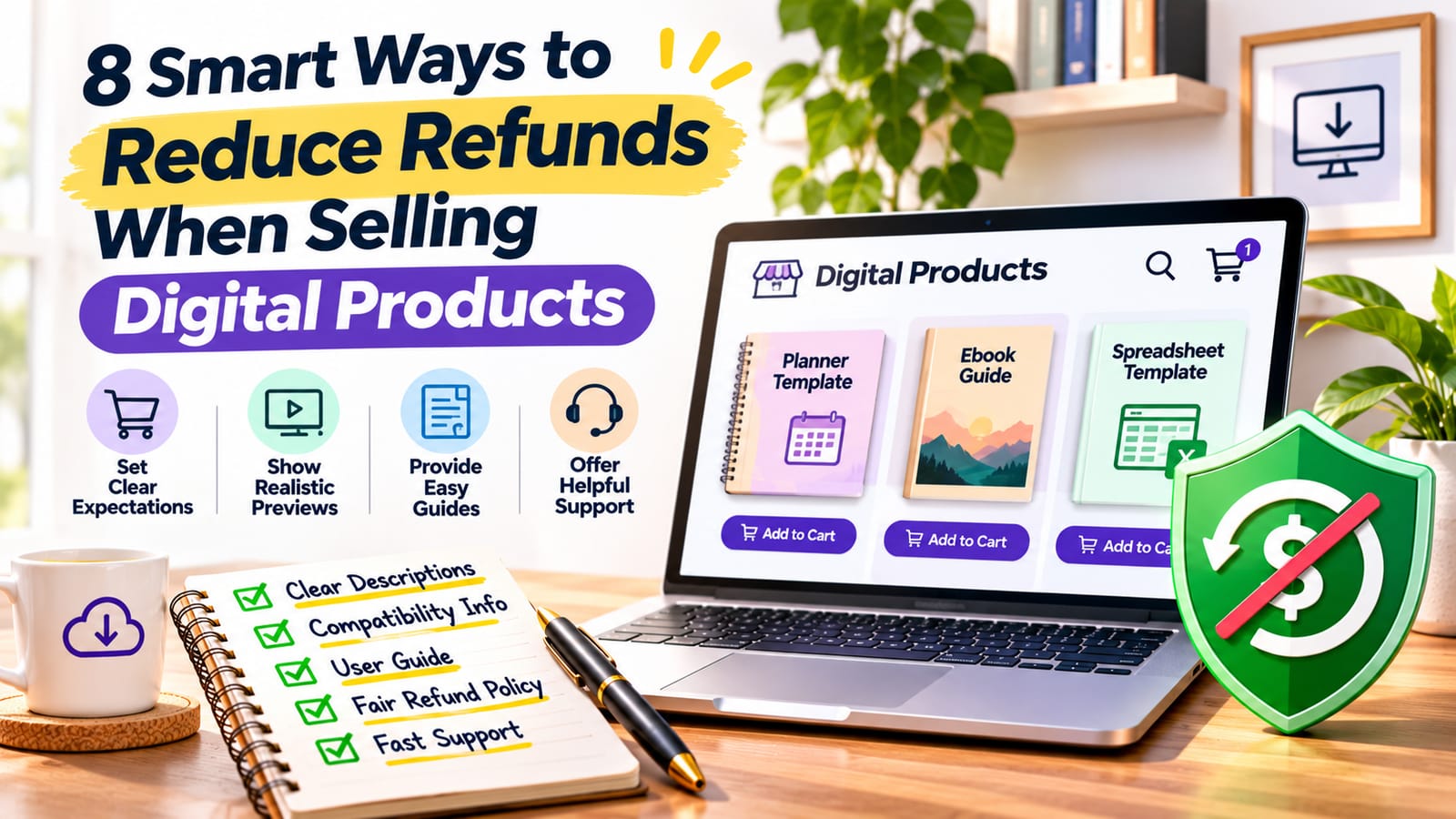
Here are eight practical ways to reduce avoidable refund requests and build a more dependable digital product business.
1. Set Clear Customer Expectations
Customers should understand exactly what they are purchasing before completing checkout.
Vague product descriptions can create unrealistic expectations, especially when selling templates, ebooks, software, or educational resources.
Every digital product listing should explain:
What the purchase includes.
Supported file formats.
Required software or technical skills.
Product features and limitations.
Personal or commercial usage rights.
For example, if you sell a Canva template that requires a premium subscription to access certain elements, mention this requirement clearly.
Providing accurate information upfront helps customers make informed purchasing decisions.
2. Offer Realistic Product Previews
Customers cannot physically inspect digital products before purchasing them. Therefore, previews play an important role in communicating product quality.
Depending on the product, consider offering screenshots, sample pages, demonstration videos, or limited free versions.
For example, an ebook seller could provide a sample chapter. Similarly, a spreadsheet creator could demonstrate how customers enter information and view calculated results.
Make sure your previews accurately represent the final product.
Avoid using attractive mockups that suggest features or resources that are not included in the purchase.
Honest previews help reduce the gap between customer expectations and the actual product.
3. Explain Software and Device Compatibility
Compatibility problems can turn a useful digital product into an unusable purchase.
A customer might buy an Excel template expecting it to work perfectly in Google Sheets. However, certain formulas or features may behave differently.
Before publishing your product, identify its technical requirements.
Clearly mention supported applications, operating systems, software versions, and device limitations where relevant.
If your product requires additional paid software, disclose that information before checkout.
You can also include a short compatibility section on each product page.
This helps customers determine whether the product will work with their existing tools.
4. Choose a Platform That Supports Reliable Delivery
The platform you use can influence the entire customer experience, from checkout to file access and support.
Some selling platforms provide built-in digital delivery features, while others require additional tools or integrations.
When researching where to sell digital products, evaluate more than subscription prices and transaction fees.
Consider whether the platform supports:
Reliable digital file delivery.
Accessible purchase confirmation emails.
Customer download management.
Straightforward refund processing.
Suitable customer support workflows.
A platform that makes purchasing easy but accessing files difficult may create unnecessary complaints.
Test the complete customer journey before committing to a selling setup.
5. Include a Beginner-Friendly User Guide
Customers may understand what a product does but struggle to use it correctly.
This is particularly common with spreadsheet templates, website themes, design assets, and software products.
Include a short guide explaining how to get started.
For example, a downloadable business dashboard could include instructions covering:
Opening the spreadsheet.
Entering business information.
Customizing available settings.
Understanding dashboard results.
Troubleshooting common problems.
Use simple language and screenshots where necessary.
Clear documentation helps customers experience the product's value sooner and may reduce avoidable support requests.
6. Make Your Refund Policy Easy to Find
A confusing refund policy can create disagreements between businesses and customers.
Instead of hiding important conditions, explain your policy clearly before customers complete their purchases.
Address situations involving duplicate payments, defective files, incorrect product delivery, and compatibility problems.
Also explain how customers can request assistance.
Remember that digital product refund rules and consumer rights vary by country. A general no-refund policy may not override applicable legal requirements.
A transparent and fair refund policy helps establish trust while reducing misunderstandings.
7. Respond to Customer Problems Quickly
Not every refund request means a customer dislikes your product.
Sometimes, buyers simply need help downloading a file, installing a template, or understanding a particular feature.
For example, a customer who cannot locate their download email may request a refund even though the product itself works correctly.
Provide an accessible support channel and communicate realistic response times.
When possible, offer practical solutions before processing a refund, without delaying or obstructing legitimate refund requests.
Track recurring customer questions and use them to improve your documentation.
Effective support can turn a frustrating experience into a positive one.
8. Use Refund Data to Improve Your Products
Refund requests can provide valuable information about weaknesses in your business.
Instead of treating every refund as an isolated incident, record the reasons behind customer complaints.
Refund reasonPossible improvementSoftware incompatibilityAdd clearer technical requirementsMissing featuresImprove product descriptionsDownload problemsReview file delivery settingsDifficult installationCreate a setup tutorialIncorrect calculationsTest and update spreadsheet formulas
Review these patterns regularly.
If multiple customers report the same problem, prioritize fixing its underlying cause.
Improving existing products can be more valuable than continuously launching new ones.
Frequently Asked Questions
Why Do Customers Request Refunds for Digital Products?
Common reasons include misleading descriptions, compatibility issues, inaccessible downloads, technical errors, and unmet expectations.
Can Digital Product Refunds Be Prevented Completely?
No. However, accurate product information, reliable delivery, clear documentation, and helpful customer support can reduce avoidable refund requests.
Should Digital Products Have a No-Refund Policy?
That depends on the product, business circumstances, and applicable consumer protection laws. Sellers should establish fair policies that comply with relevant legal requirements.
Final Thoughts
Reducing digital product refunds starts with understanding why customers become dissatisfied.
Accurate descriptions, realistic previews, clear instructions, and reliable file delivery can prevent many common problems.
Instead of making refunds difficult, focus on improving product quality and helping customers achieve their intended results.
A better purchasing experience can support customer trust, repeat purchases, and sustainable business growth.