A family is moving to a new apartment next month. They've found three moving companies online, but choosing one is proving harder than expected.
One website doesn't explain whether packing is included. Another asks customers to call for every detail. The third has a contact form but doesn't say what happens after submitting it.
Eventually, the family closes all three websites and decides to continue searching later.
For moving companies, situations like this can mean losing potential customers who were genuinely interested in booking.
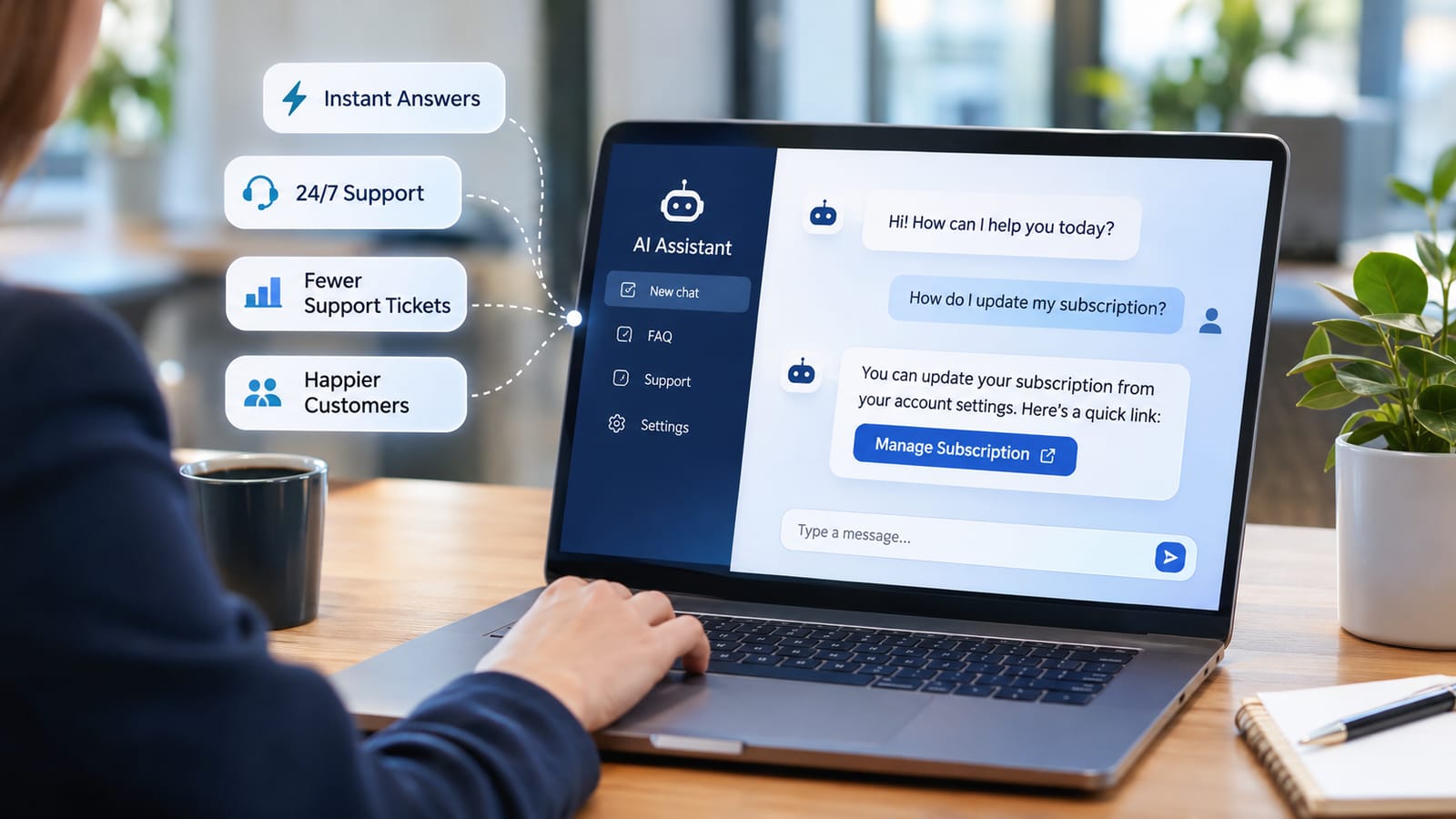
Some businesses use tools such as Chatflow to help website visitors find answers about services, policies, and common questions. A moving company, for example, could make its packing guidelines, service areas, and booking requirements easier to understand without requiring every visitor to call.
However, technology alone cannot fix unclear information or a confusing booking process.
Here are eight practical ways moving companies can improve their websites and help customers feel more confident about booking.
1. Make Your Moving Services Easy to Understand
Not every moving company offers the same services.
Some handle residential moves, while others specialize in office relocations, long-distance transportation, or packing and storage.
Customers shouldn't have to guess which services are available.
Imagine someone planning to move from a two-bedroom apartment into a house. They want help packing fragile items, dismantling furniture, and transporting everything safely.
If the moving company's website only says "Professional Moving Services," it doesn't answer those questions.
Create separate descriptions for your main services.
For example, explain whether your team handles packing, furniture assembly, loading, unloading, and temporary storage.
Also mention any services you don't provide.
Clear descriptions help customers identify the right service before requesting a quote.
2. Explain How Moving Quotes Are Calculated
One of the biggest concerns customers have when hiring movers is the final cost.
They may see an affordable starting price but worry about additional fees appearing on moving day.
These concerns become more serious when websites provide little information about pricing.
You don't need to publish a fixed price for every move. However, you should explain what determines the estimate.
Common factors include the distance between locations, number of items, property size, packing requirements, and access difficulties.
For example, moving furniture from a fifth-floor apartment without an elevator may require more time and labor than moving the same items from a ground-floor property.
Explain whether your company charges by the hour, distance, inventory, or another method.
If additional fees may apply, identify the situations that trigger them.
Customers are more comfortable requesting quotes when they understand how pricing works.
3. Provide a Moving Preparation Checklist
Customers often don't know how much preparation they need to complete before the moving team arrives.
Should they empty drawers? Disconnect appliances? Label boxes? Pack their televisions?
Without clear instructions, they may call repeatedly or arrive at moving day without being ready.
A simple preparation checklist can prevent these problems.
Organize it around different stages of the move.
For example, customers could be advised to confirm building access in advance, separate important documents, label fragile items, and keep essential belongings in a personal bag.
You can also explain which tasks your moving team handles.
If your company provides professional packing, specify whether customers must purchase materials separately.
Send the checklist after booking and make it available on your website.
Customers who know what to prepare are less likely to encounter avoidable delays.
4. Explain Building Access and Parking Requirements
Moving involves more than loading furniture into a truck.
Apartment buildings may require elevator reservations, loading permits, parking arrangements, or approval from property management.
When these details aren't discussed early, a straightforward move can become difficult.
For example, a moving team might arrive at an apartment complex only to discover that the service elevator wasn't reserved.
The delay affects the movers, the customer, and potentially the next scheduled job.
Ask customers about building access before confirming the move.
Your website can explain what information is required, such as elevator availability, stair access, parking restrictions, and the distance between the entrance and loading area.
If permits are the customer's responsibility, make that clear.
Preparing customers for these requirements can prevent confusion on moving day.
5. Answer Common Questions Outside Business Hours
People don't always research moving companies during normal business hours.
A customer may start comparing options after work, while another might be planning a relocation over the weekend.
They often have straightforward questions.
Does the company provide packing boxes? Can it move a piano? Is storage available? How far in advance should customers book?
If answers aren't easy to find, visitors may leave without submitting an inquiry.
A moving company could use Chatflow's custom chatbot development services to create an AI assistant trained on its service descriptions, moving policies, packing instructions, and frequently asked questions.
Visitors could ask questions in everyday language and find relevant information without navigating several website pages.
For example, someone asking whether packing is included could receive an explanation based on the company's published service packages.
However, the assistant should not guarantee an available moving date, calculate a confirmed custom quote, or approve special arrangements unless those details can be verified through an authorized process.
Questions requiring individual assessment should still reach the moving team.
The purpose is to make routine information easier to access while keeping important decisions with the right people.
6. Explain How Special Items Are Handled
Not every item can be moved using the same equipment or methods.
Customers may need assistance transporting pianos, large mirrors, valuable artwork, antiques, or oversized furniture.
If the website doesn't mention these situations, customers may assume everything is included in a standard moving package.
That assumption can create problems later.
Explain which special items your company accepts and whether additional preparation or charges may apply.
For example, a company that handles pianos could explain that customers must provide the instrument's approximate size, location, and access details before receiving an estimate.
For fragile or valuable items, describe how customers should communicate handling requirements.
If certain belongings are excluded from your services, say so clearly.
This helps customers discuss unusual items before the moving date instead of surprising the crew when they arrive.
7. Make Booking and Rescheduling Rules Clear
A customer completes a moving inquiry form and receives a confirmation message.
But does that mean the moving date is reserved?
For some businesses, the form simply starts a conversation. For others, customers must approve an estimate and pay a deposit before the reservation becomes final.
Make the process clear from the beginning.
Explain what happens after someone requests a quote, how the company confirms availability, and when a booking becomes official.
Also explain the rescheduling process.
Moving dates can change because of property closings, rental agreements, unexpected repairs, or personal circumstances.
Customers should know how much notice they need to provide and whether deposits or change fees apply.
For example, if a company requires notice before changing a confirmed moving date, that condition should be visible before payment.
Clear booking policies reduce uncertainty and help customers plan with confidence.
8. Explain Damage Protection and Claims Procedures
Hiring movers means trusting someone else to handle personal belongings.
Even customers who like a company's reviews may hesitate if they cannot find information about damage protection.
What happens if a table is scratched? How are damaged items reported? Does the company offer different levels of protection?
These questions deserve clear answers.
Explain the protection or liability arrangements your business actually provides, including any applicable limits and exclusions.
If coverage differs between local and long-distance moves, describe those differences.
Customers should also understand how to report a problem.
For example, a company might require photographs, a written description, and a claim submitted within a specified period.
Don't describe protection as insurance unless that term accurately reflects the coverage offered.
A transparent claims process helps customers understand what to expect if something goes wrong.
How Can Moving Companies Improve Their Customer Experience?
Start by reviewing your website from the perspective of someone planning their first move.
Choose a service and try to answer a few basic questions.
Can you tell whether packing is included? Is the pricing process understandable? Are special items accepted? Can you easily find the booking and cancellation policies?
If these answers are difficult to locate, improve those pages first.
Next, review customer emails and phone inquiries.
Look for repeated questions about estimates, moving dates, packing materials, access requirements, and protection policies.
Use those questions to improve your website's FAQs and service descriptions.
Finally, test your contact forms on a mobile phone.
Customers should be able to provide basic moving information without completing an unnecessarily long form.
You can collect more detailed inventory information during the estimate process when needed.
Final Thoughts
Choosing a moving company involves more than comparing prices.
Customers want to know whether their belongings will be handled properly, what services are included, and how the moving process will work.
When websites leave those questions unanswered, potential customers may continue searching elsewhere.
Clear service descriptions, practical preparation guides, transparent pricing information, and accessible answers can make the decision easier.
Start with the concerns customers already bring to your team.
Helping people understand the process before they book is one of the simplest ways to improve the moving experience.