Obstetrics and Gynaecology: Essential Clinical Knowledge, Advanced Treatments and Latest Updates for Doctors
Introduction
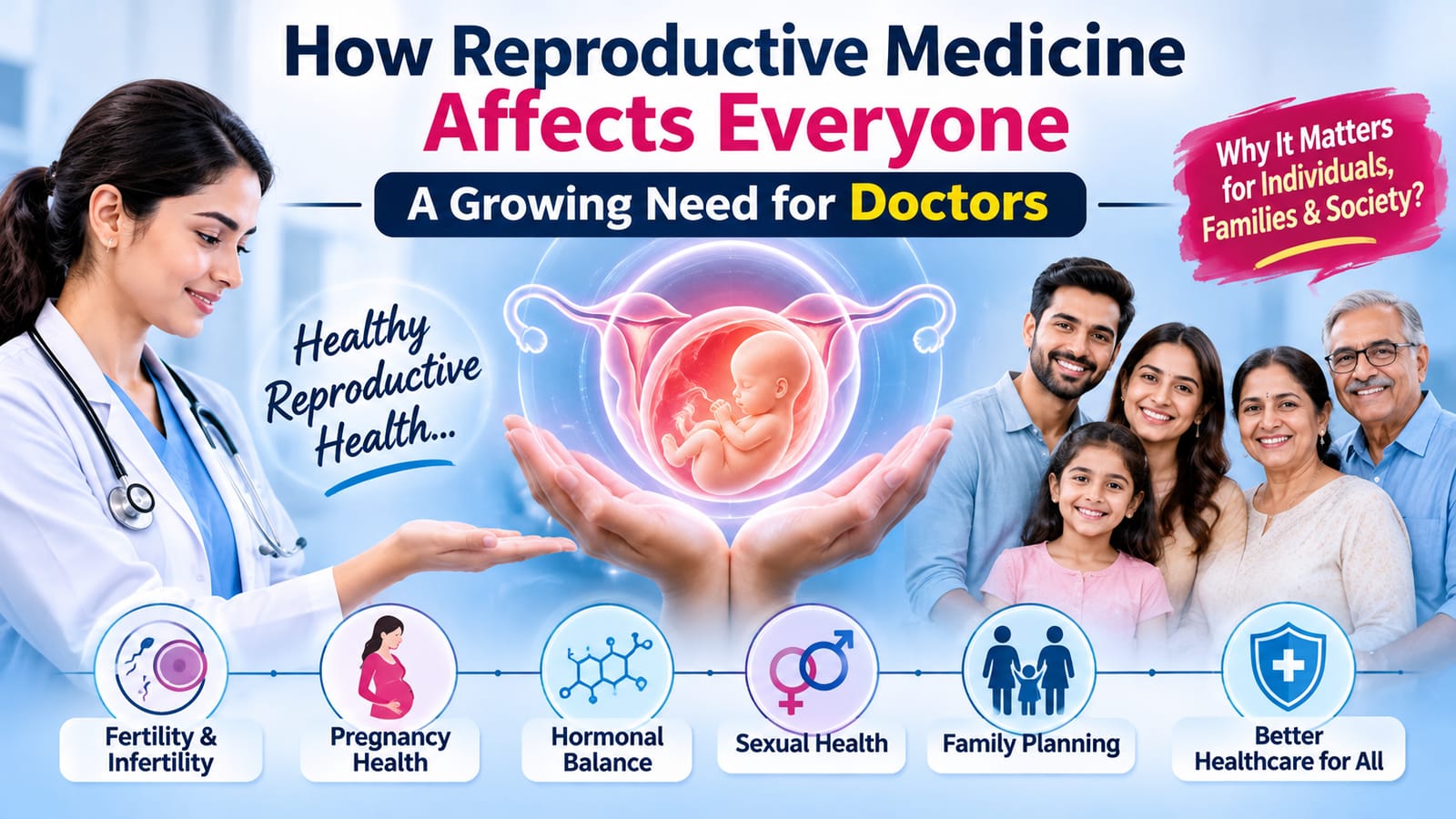
Obstetrics and Gynaecology is a specialised field of medicine focused on pregnancy, childbirth, fertility and women's reproductive health. Doctors need updated clinical knowledge to diagnose reproductive disorders, manage pregnancy complications and understand advances in maternal and fetal care.
With developments in fetal medicine, reproductive technology, minimally invasive surgery and AI-assisted diagnostics, modern OB-GYN practice continues to evolve.
This guide covers essential clinical topics, diagnostic approaches and advanced developments that doctors should know.
1. Major Clinical Areas in Obstetrics and Gynaecology
Modern OB-GYN practice includes several important areas:
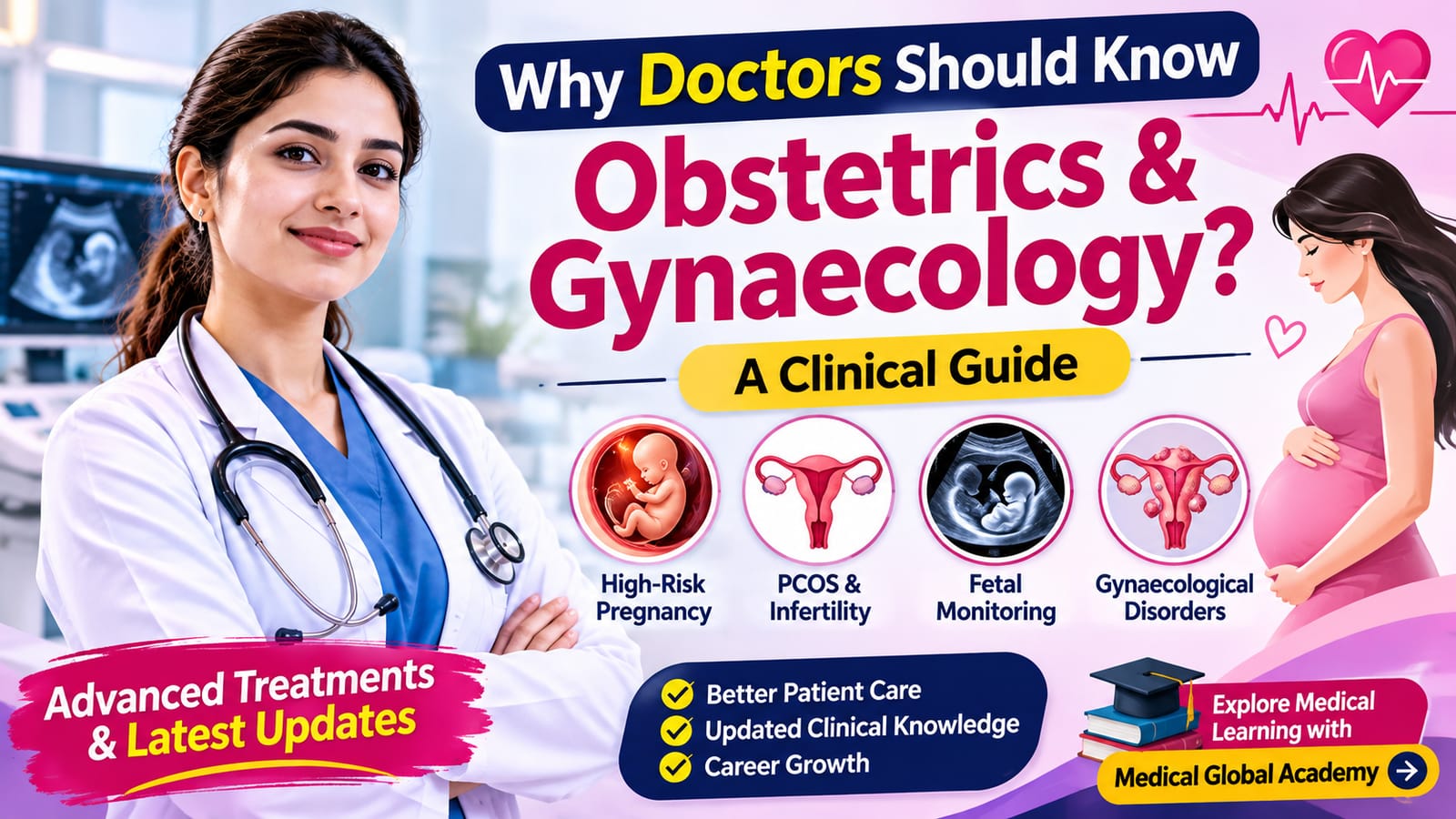
High-Risk Pregnancy: Preeclampsia, gestational diabetes, placenta previa, fetal growth restriction and preterm labour.
Antenatal Care: Pregnancy assessment, maternal nutrition, prenatal screening and fetal growth monitoring.
Labour Management: Labour induction, fetal heart monitoring, normal delivery and caesarean section.
Obstetric Emergencies: Postpartum haemorrhage, eclampsia, shoulder dystocia and placental abruption.
Gynaecological Disorders: PCOS, endometriosis, uterine fibroids, ovarian cysts and abnormal uterine bleeding.
Infertility Management: Ovulation disorders, male-factor infertility, IVF, IUI and reproductive health assessment.
Menopause Care: Hormonal changes, bone health and management of menopausal symptoms.
Gynaecological Oncology: Cervical, ovarian, endometrial and uterine cancers.
2. Important Diagnostic Investigations for Doctors
Accurate diagnosis is essential for effective patient management. Common investigations include:
InvestigationClinical applicationPelvic ultrasoundUterine and ovarian assessmentObstetric ultrasoundFetal growth and pregnancy assessmentDoppler studiesMaternal-fetal blood flowCTGFetal heart rate and uterine contractionsHormonal testingReproductive and endocrine disordersCBC and blood glucoseAnaemia and metabolic assessmentNIPTScreening for selected chromosomal conditionsHysteroscopyEvaluation of the uterine cavity
Investigations should be selected according to symptoms, clinical history and current guidelines.
3. Advanced Developments in Obstetrics and Gynaecology
Doctors should stay informed about emerging developments in women's healthcare:
Fetal Medicine: Advanced ultrasound, Doppler imaging and fetal growth assessment.
Reproductive Medicine: IVF, ICSI, embryo cryopreservation and fertility preservation.
Minimally Invasive Surgery: Laparoscopy and hysteroscopy for selected gynaecological conditions.
AI in Healthcare: AI-assisted ultrasound interpretation and clinical decision-support research.
Prenatal Screening: Advances in non-invasive prenatal testing and genetic screening.
Maternal Healthcare: Improved approaches to preventing and managing pregnancy complications.
Precision Medicine: Individualised approaches to hormonal, reproductive and metabolic health.
Emerging technologies should be applied according to validated evidence and professional guidelines.
4. Why Is Continuous Medical Education Important for Doctors?
Regular medical learning helps doctors:
Recognise pregnancy-related complications early.
Improve knowledge of maternal and fetal assessment.
Understand updated diagnostic and treatment approaches.
Strengthen infertility and reproductive health knowledge.
Stay informed about minimally invasive procedures.
Apply evidence-based clinical recommendations.
Improve patient-centred healthcare.
Doctors can explore relevant online medical learning opportunities through Medical Global Academy to continue developing their clinical knowledge.
5. Frequently Asked Questions About Obstetrics and Gynaecology
Q1. What is the difference between obstetrics and gynaecology?
Obstetrics focuses on pregnancy, childbirth and postpartum care, while gynaecology deals with female reproductive health and related disorders.
Q2. What are the most common gynaecological conditions?
PCOS, endometriosis, uterine fibroids, ovarian cysts, menstrual irregularities and infertility are common conditions.
Q3. What are the major complications of high-risk pregnancy?
Preeclampsia, gestational diabetes, fetal growth restriction, placental complications and preterm labour are important concerns.
Q4. Why is fetal monitoring important?
Fetal monitoring helps assess fetal heart rate patterns and wellbeing during pregnancy and labour.
Q5. What are the latest developments in infertility treatment?
Advances include IVF, ICSI, embryo freezing, fertility preservation and personalised reproductive treatment.
Q6. How is AI changing obstetrics and gynaecology?
AI is being explored for ultrasound analysis, risk prediction, medical imaging and clinical decision support.
Q7. How can doctors update their OB-GYN knowledge?
Doctors can follow updated clinical guidelines, review medical research, attend CME programmes and pursue relevant structured medical education.
Conclusion
Obstetrics and Gynaecology continues to advance through developments in maternal-fetal medicine, reproductive technologies, diagnostic imaging and minimally invasive treatments. Doctors who regularly update their clinical knowledge are better prepared to understand emerging medical approaches and support quality women's healthcare.
Explore Medical Global Academy's online medical courses for further medical learning opportunities.
Medical Disclaimer: This article is intended for medical education and awareness. Clinical decisions should follow current evidence-based guidelines, individual patient assessment and applicable professional protocols.