Planning your first yoga retreat can be an exciting experience, especially when you choose Rishikesh, a destination known for its spiritual heritage, traditional yoga practices, and peaceful Himalayan surroundings. Whether you want to reduce stress, improve flexibility, explore meditation or simply take a break from your busy routine, a yoga retreat offers an opportunity to reconnect with yourself.
For beginners, joining a retreat in an unfamiliar place may raise several questions. What will the daily schedule look like? Do you need previous yoga experience? What food will be served? Where will you stay? Understanding what to expect can help you prepare for a comfortable and meaningful experience.
This guide explains what your first experience at one of the yoga retreats in rishikesh may look like, from daily yoga sessions and meditation practices to accommodation, meals and spiritual activities.
1. A Peaceful Environment Surrounded by Nature
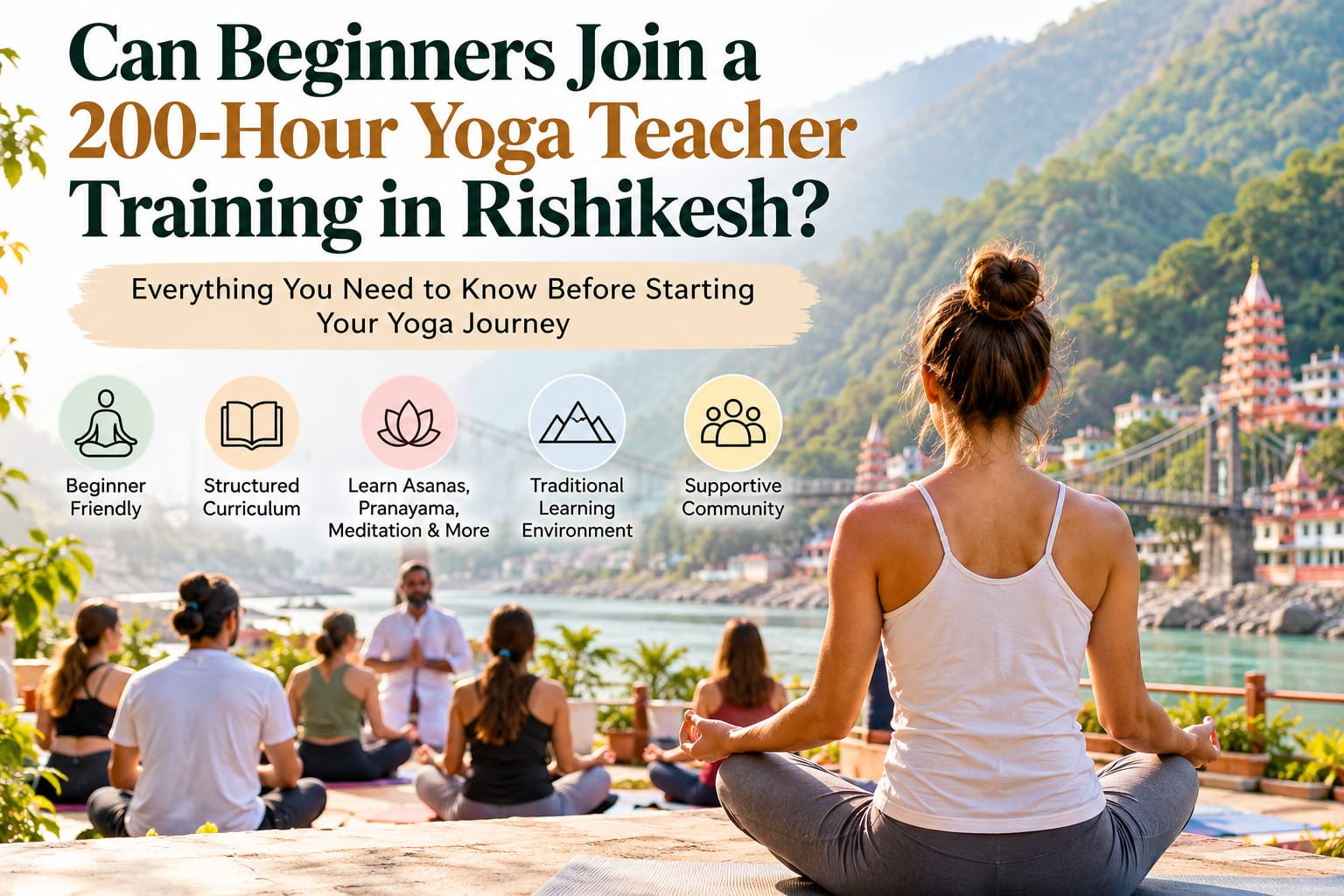
One of the first things you will notice when arriving in Rishikesh is its peaceful atmosphere. Located in the Himalayan foothills along the banks of the River Ganga, the city offers a natural setting that encourages relaxation, mindfulness and self-reflection.
Unlike a typical holiday focused on sightseeing and entertainment, a yoga retreat allows you to slow down and spend time focusing on your physical and mental well-being.
During your stay, you may experience:
Peaceful surroundings away from everyday distractions.
Morning walks and meditation in natural settings.
Opportunities to explore the spiritual culture of Rishikesh.
A welcoming environment for personal growth.
Time for relaxation, journaling and self-reflection.
The combination of nature, traditional yoga and mindful living makes Rishikesh an appealing destination for beginners and experienced practitioners alike.
2. You Do Not Need Previous Yoga Experience
A common concern among first-time participants is whether they need to know yoga before joining a retreat. The answer is no. Many yoga retreats in Rishikesh welcome complete beginners alongside experienced practitioners.
At a beginner-friendly retreat, instructors introduce basic yoga postures, breathing techniques and meditation practices gradually. You will receive guidance on maintaining correct posture, understanding body movements and practising safely.
Your sessions may introduce you to:
Hatha Yoga: A traditional yoga practice involving physical postures, controlled movements and breathing awareness.
Ashtanga Yoga: A structured practice involving a sequence of postures connected through coordinated breathing.
Pranayama: Breathing techniques that encourage better breath awareness, concentration and relaxation.
Meditation: Guided practices that help develop mindfulness, focus and awareness.
You should not feel pressured to perform advanced postures. Yoga is a gradual practice, and consistency is more important than flexibility or physical strength.
3. A Structured Daily Yoga and Meditation Schedule
A typical yoga retreat follows a structured daily routine designed to balance physical activity, meditation, healthy eating and relaxation.
At Mrityunjay Yogpeeth, the daily retreat schedule combines traditional yoga, mindfulness, pranayama and meditation.
Here is an example of what your day may look like:
TimeActivity6:30 AMSunrise Meditation7:30 AMHatha Yoga Session9:00 AMHealthy Vegetarian Breakfast10:30 AMYoga Philosophy and Mindfulness1:00 PMSattvic Lunch3:30 PMPranayama and Breathwork5:00 PMEvening Yoga and Relaxation7:00 PMDinner and Reflection8:30 PMKirtan or Silent Meditation
The exact schedule may vary depending on the retreat programme.
Early morning sessions help establish a calm start to the day, while afternoon activities provide opportunities to explore breathing techniques and traditional yoga philosophy.
Evening meditation and relaxation sessions allow participants to reflect on their experiences before resting for the night.
4. Experience Traditional Yoga Practices
Your first yoga retreat is an opportunity to explore practices that extend beyond physical exercise.
Traditional yoga combines physical postures, breathing exercises, meditation and philosophical teachings. These practices encourage participants to develop a more balanced relationship between the body and mind.
Some common practices you may experience include:
Hatha Yoga: Focuses on foundational postures, alignment, flexibility and physical awareness.
Pranayama: Introduces controlled breathing techniques that support relaxation and concentration.
Yoga Nidra: A guided relaxation practice performed while lying down, helping participants develop awareness and release physical tension.
Mantra Chanting: Involves repeating traditional sounds or Sanskrit mantras as a form of meditation and concentration.
Mindfulness: Encourages awareness of everyday activities, thoughts and emotions.
Practising these techniques regularly can help you develop a routine that continues beyond your retreat.
5. Comfortable Accommodation and a Relaxing Stay
Accommodation is another important part of your first yoga retreat experience. A comfortable environment allows you to rest properly between sessions and focus on your practice.
Many residential yoga retreats in Rishikesh provide accommodation options designed around simplicity, comfort and a peaceful atmosphere.
At Mrityunjay Yogpeeth, participants can choose between private and shared accommodation, depending on their preferences and selected programme.
Typical facilities include:
Comfortable rooms with essential amenities.
Attached bathrooms.
Hot water facilities.
Dedicated yoga practice areas.
Peaceful surroundings for relaxation.
Spaces for meditation and personal reflection.
Private accommodation is suitable for participants who prefer personal space, while shared accommodation offers opportunities to connect with other retreat participants.
Before booking, confirm the accommodation arrangements and facilities included in your selected package.
6. Enjoy Healthy Vegetarian and Sattvic Meals
Food plays an important role in traditional yogic living. During your retreat, you may notice a change in your regular eating habits as meals are planned around simple, nourishing vegetarian food.
Mrityunjay Yogpeeth provides three freshly prepared vegetarian meals daily, following a sattvic approach to food.
A traditional sattvic diet generally emphasises fresh, wholesome and minimally processed ingredients.
Your meals may include:
Fresh seasonal vegetables.
Rice and traditional Indian breads.
Lentils and pulses.
Fresh fruits and salads.
Simple vegetarian preparations.
Herbal drinks and other refreshments.
Eating mindfully and maintaining regular meal timings can complement your yoga routine.
For international visitors, experiencing traditional Indian vegetarian food can also become an interesting part of the retreat.
If you have food allergies, dietary restrictions or specific nutritional requirements, communicate them to the retreat organisers before arrival.
7. Connect with Like-Minded People
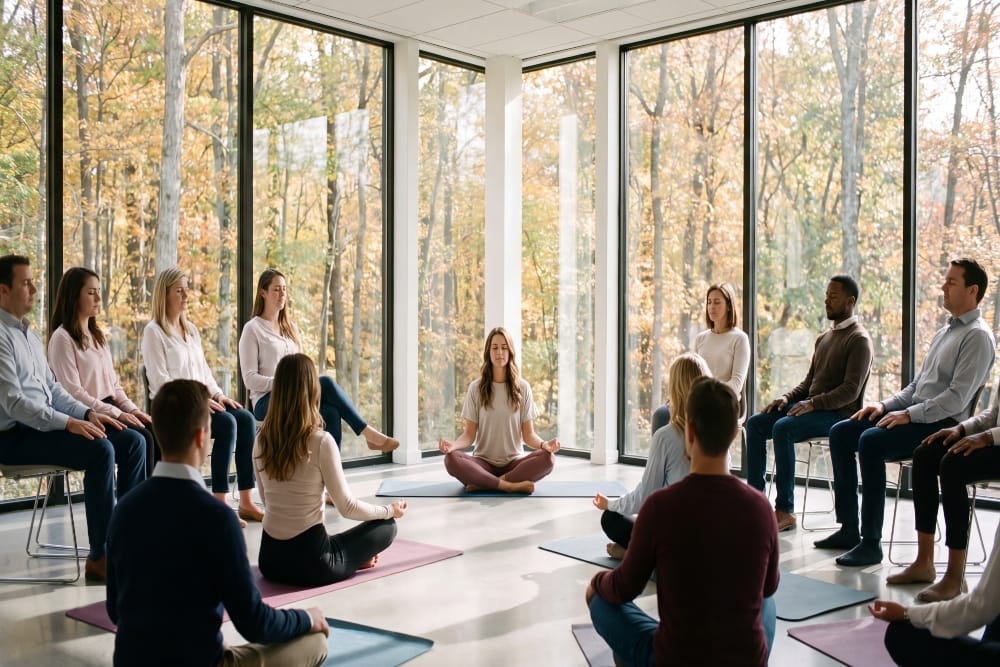
A yoga retreat is not necessarily a solitary experience. You will have opportunities to meet people from different countries, cultures and professional backgrounds who share an interest in yoga, meditation and personal development.
Group yoga sessions, meditation classes, discussions and cultural activities create opportunities to interact with other participants.
You may also learn from their experiences and discover different perspectives on traditional yoga practices.
For solo travellers, this can be particularly valuable. You can enjoy personal time while still being part of a supportive learning environment.
The experience is generally less focused on competition and more centred on learning, participation and mutual respect.
8. Explore the Spiritual Side of Rishikesh
Your retreat experience may also include opportunities to explore the cultural and spiritual heritage of Rishikesh.
The city offers several places where you can experience traditional Indian spirituality and connect with its history.
Depending on your programme and available activities, you may explore:
Ganga Aarti: Attend the evening prayer ceremony along the banks of the River Ganga and experience traditional devotional rituals.
Kunjapuri Temple: Visit this popular hilltop temple for panoramic Himalayan views and a peaceful atmosphere.
Beatles Ashram: Explore the historic meditation centre associated with the Beatles' visit to Rishikesh.
Kirtan Sessions: Participate in devotional singing and traditional mantra chanting.
Outdoor Meditation: Experience meditation in natural surroundings while listening to the sounds of the river and nature.
These activities provide a different perspective on Rishikesh beyond its reputation as a yoga destination.
Some excursions may be optional or scheduled according to the retreat programme.
9. Choose the Right Retreat Duration
Your first yoga retreat does not necessarily need to be long. The ideal duration depends on your schedule, experience and personal goals.
At Mrityunjay Yogpeeth, participants can choose from different retreat durations.
Retreat DurationWhat to Expect3 DaysIntroduction to yoga, meditation and relaxation.7 DaysA more structured experience of yoga and yogic living.14 DaysMore time to explore meditation, pranayama and traditional practices.21 DaysAn extended opportunity to develop a consistent daily routine.
If you are completely new to yoga, a three-day programme can be a convenient starting point.
However, a seven-day or longer retreat gives you additional time to become familiar with the daily routine and explore different aspects of traditional yoga.
Choose a duration that allows you to participate comfortably without creating unnecessary pressure.
10. What Should You Pack for Your First Yoga Retreat?
Preparing a few essential items before travelling can make your experience more comfortable.
Here is a simple packing checklist:
Comfortable and breathable yoga clothing.
Personal toiletries and essential medicines.
Reusable water bottle.
Light jacket or shawl for cooler mornings.
Comfortable footwear and sandals.
Notebook or journal.
Personal identification and travel documents.
Modest clothing for temple visits and spiritual excursions.
You can bring your own yoga mat if you prefer, although you should confirm whether practice accessories are provided by your retreat centre.
It is also helpful to reduce unnecessary distractions and avoid overpacking.
Why Choose Mrityunjay Yogpeeth for Your First Yoga Retreat?
Choosing the right retreat centre can make a significant difference to your overall experience.
Mrityunjay Yogpeeth offers residential yoga retreats in Rishikesh for beginners and experienced practitioners. Its programmes combine traditional yoga practices with meditation, pranayama, mindfulness and yogic lifestyle activities.
Participants can benefit from:
Experienced yoga instructors and guided practice sessions.
Traditional Hatha Yoga and other yogic practices.
Daily meditation and pranayama sessions.
Comfortable private and shared accommodation.
Three freshly prepared vegetarian meals daily.
Opportunities to experience Rishikesh's spiritual culture.
Different retreat durations to suit individual preferences.
Whether you are looking for a short wellness break or an extended opportunity to explore traditional yoga, the programmes offer different ways to experience yogic living.
You can explore the available programmes through the Yoga Retreats in Rishikesh page at Mrityunjay Yogpeeth and select an option that matches your interests and schedule.
Conclusion
Your first yoga retreat can be an opportunity to step away from your regular routine and experience a more mindful way of living. From early morning meditation and traditional yoga sessions to sattvic meals and spiritual excursions, every part of the experience introduces you to a different aspect of yogic culture.
Rishikesh provides an inspiring environment for this journey, combining Himalayan surroundings, spiritual traditions and established yoga practices.
You do not need to be an experienced practitioner or have exceptional physical flexibility to begin. An open mind, willingness to learn and commitment to participating in the daily routine are enough to get started.
Explore the different yoga retreats in rishikesh offered by Mrityunjay Yogpeeth and take the first step towards a more balanced and mindful lifestyle.
Frequently Asked Questions (FAQs)
1. Is a yoga retreat in Rishikesh suitable for beginners?
Yes. Many retreats welcome complete beginners. Instructors introduce foundational yoga postures, meditation and breathing techniques while providing guidance according to individual experience levels.
2. How many days should I spend at my first yoga retreat?
A three-day retreat is suitable for a short introduction, while a seven-day programme provides more time to establish a regular yoga and meditation routine. Longer programmes allow deeper exploration of traditional practices.
3. What is included in yoga retreats in Rishikesh?
Depending on the programme, packages may include accommodation, three vegetarian meals daily, yoga sessions, meditation, pranayama, mindfulness activities and access to retreat facilities.
4. Can I join a yoga retreat alone?
Yes. Solo travellers can join yoga retreats and participate in group sessions while enjoying personal time for relaxation and self-reflection.
5. What type of yoga is practised during a retreat?
Common practices include Hatha Yoga, Ashtanga Yoga, Yin Yoga, pranayama, meditation, mindfulness and traditional yogic philosophy. The exact combination depends on the retreat programme.
6. What is the best time to visit Rishikesh for a yoga retreat?
Rishikesh welcomes yoga travellers throughout the year. Many visitors prefer September to June for comfortable outdoor activities, although the ideal time depends on personal weather preferences and programme availability.