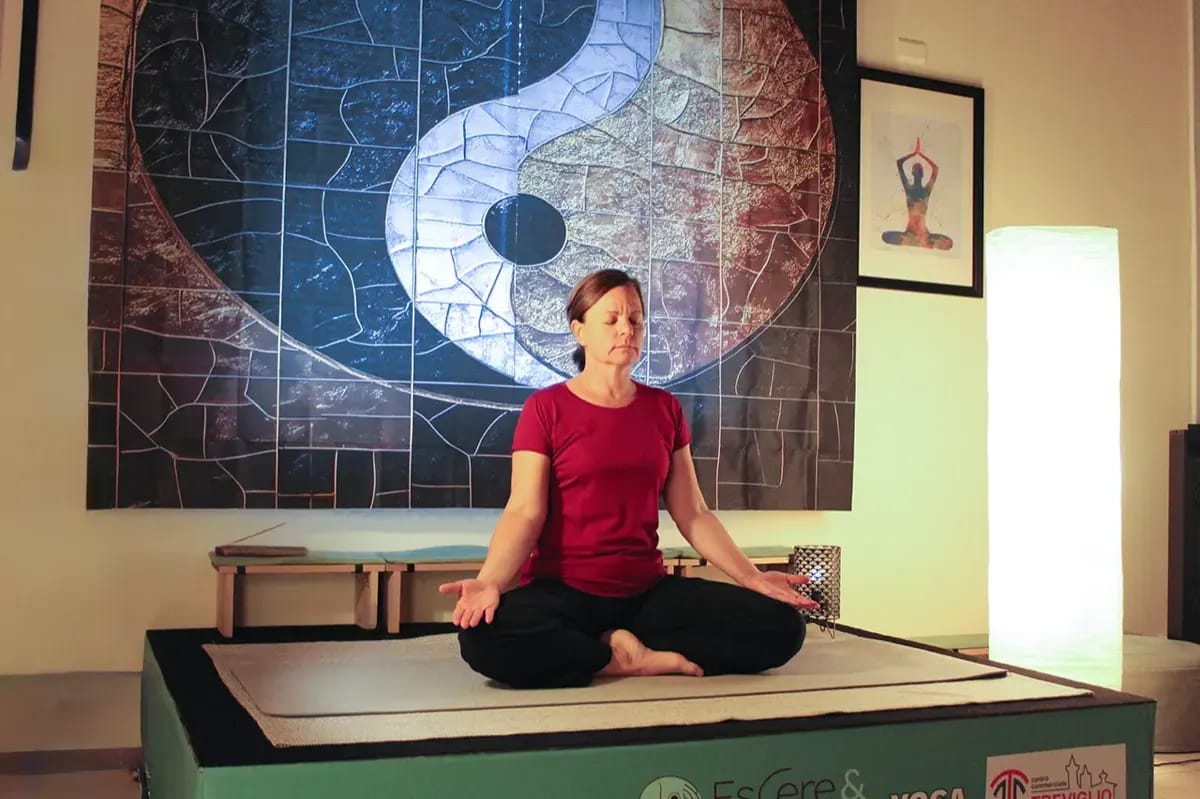
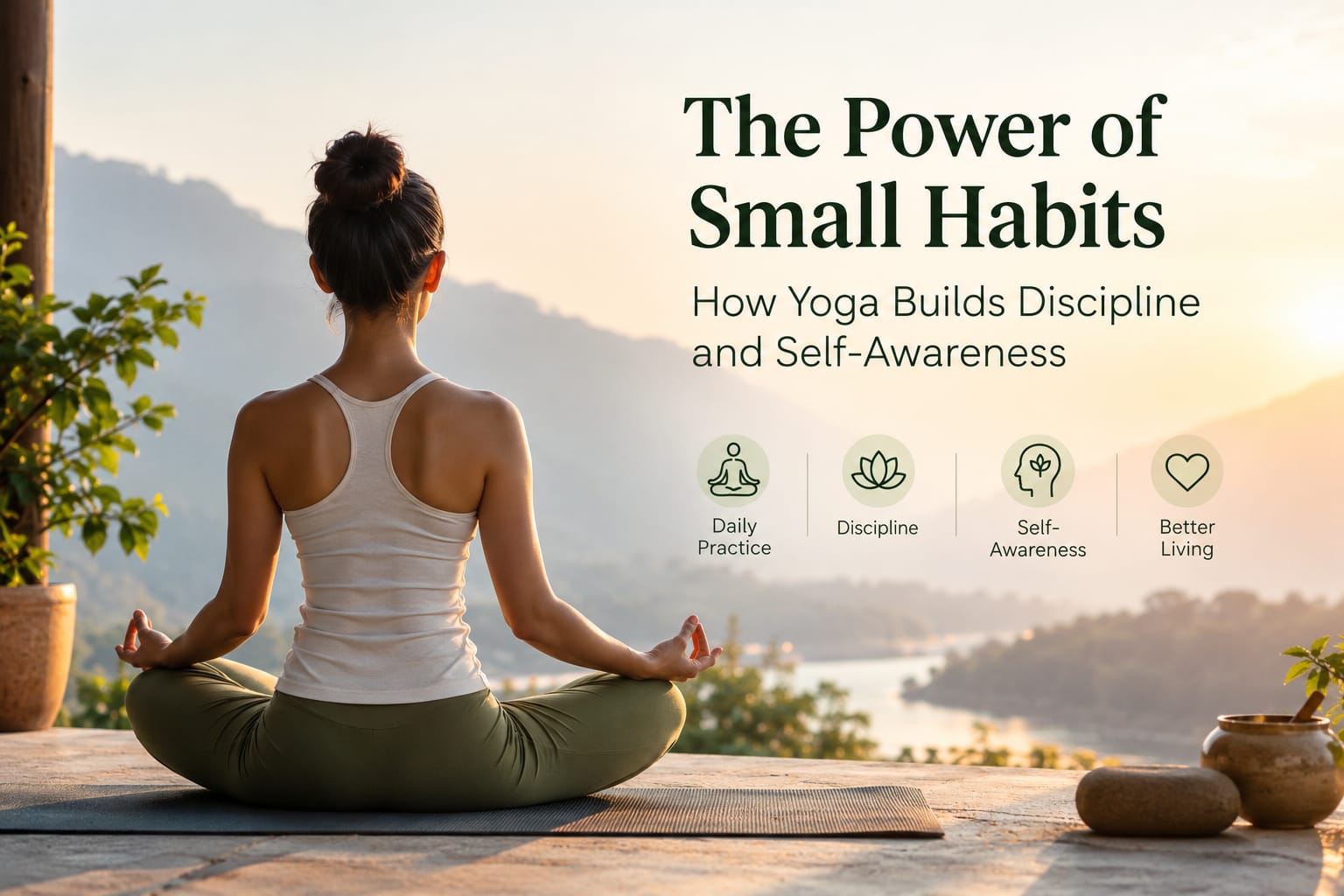
Building a healthier lifestyle does not always require major changes. Sometimes, small daily habits can make the biggest difference. Spending a few minutes stretching, practising mindful breathing, or sitting quietly can create space for greater awareness and consistency.
Yoga offers a practical way to develop these habits. Through regular practice, people can learn to pay attention to their bodies, observe their thoughts, and approach everyday challenges with more patience.
How Small Habits Create Lasting Discipline
Discipline is often misunderstood as following a strict routine or pushing yourself to achieve more. In reality, it can begin with making a simple commitment and returning to it regularly.
For example, practising yoga for ten minutes each morning may seem like a small step. However, repeating this habit can help establish a routine that feels manageable over time.
The key is consistency rather than perfection. Missing a session does not mean failure. Returning to your practice the next day helps build a more flexible and sustainable approach to discipline.
Yoga Encourages Self-Awareness
Self-awareness means recognising your physical sensations, emotions, thoughts, and habitual reactions. Yoga encourages this awareness by inviting you to pay attention to what is happening in the present moment.
During a yoga session, you may notice that your shoulders feel tense, your breathing becomes shallow, or your mind keeps returning to unfinished tasks. Instead of ignoring these experiences, you can observe them without immediately judging yourself.
This awareness can also extend beyond the yoga mat. You may begin to recognise when you need rest, when you are reacting automatically, or when it is helpful to pause before making a decision.
The Role of Mindful Breathing
Breathing is a central part of many yoga practices. Paying attention to natural breathing can provide a simple way to reconnect with the present moment.
Try this beginner-friendly exercise:
Sit comfortably in a quiet place.
Notice the natural rhythm of your breathing.
When your mind wanders, gently bring your attention back to the breath.
Continue for two to five minutes without forcing or holding your breath.
This short practice can become a useful daily reminder to slow down and observe your current experience. It is not necessary to eliminate every thought or feel calm immediately.
Simple Yoga Habits to Practise Every Day
You do not need a complicated schedule to begin building a consistent yoga routine. Start with habits that fit naturally into your day.
Morning movement: Spend five minutes doing gentle stretches or comfortable yoga postures.
Mindful pauses: Take a few moments between tasks to notice your breathing and posture.
Regular practice: Choose a realistic time for yoga and try to follow it consistently.
Personal reflection: After practising, notice how you feel physically and mentally.
Patient progress: Adjust your routine according to your energy, comfort, and experience.
Choose movements appropriate for your ability, and avoid pushing through pain. If you have a health condition or concerns about particular postures, seek guidance from a qualified professional.
Discipline Without Self-Criticism
One of the most valuable lessons yoga can offer is the difference between discipline and pressure. A sustainable practice does not require you to perform every posture perfectly or maintain the same level of effort every day.
Some days you may feel energetic, while on others a few minutes of gentle movement may be enough. Learning to respond to these differences with awareness can help make your routine more realistic.
Rather than asking, “Did I do enough today?” consider asking, “Did I make a little time for myself today?” This shift can encourage a healthier relationship with personal goals and daily habits.
Making Small Habits Part of a Balanced Life
Yoga is not only about physical flexibility. For many practitioners, it also becomes an opportunity to develop patience, consistency, and a better understanding of personal needs.
Small actions repeated over time can help create a routine that supports self-awareness and mindful living. Start with a few minutes, remain realistic about your goals, and allow your practice to develop gradually.
The real power of a small habit lies not in how impressive it looks, but in how consistently it helps you reconnect with yourself.
To explore more perspectives on yoga, self-awareness, and mindful living, visit Satbodh Foundation and continue your journey towards a more balanced lifestyle.