Aging is a natural part of life, and maintaining an active lifestyle can help people continue enjoying their daily activities as they grow older. With time, some individuals may notice changes in flexibility, balance, muscle strength, and joint mobility. Developing healthy habits can help support physical function, independence, and overall well-being.
Yoga offers a gentle and adaptable way to stay active at different stages of life. By combining physical postures, controlled movement, breathing, and relaxation, yoga encourages people to pay attention to their bodies and move with greater awareness. With suitable modifications and regular practice, it can become a valuable part of a healthy aging routine.
Understanding the Benefits of Yoga as We Age
The body changes naturally over time, but staying physically active can help maintain strength, mobility, and confidence. Yoga offers different types of movements that can be adjusted to suit individual abilities and fitness levels.
A regular yoga practice may help improve flexibility, balance, muscular endurance, and awareness of body position. These qualities are useful for everyday activities such as walking, reaching for objects, getting up from a chair, and climbing stairs.
Yoga also creates an opportunity to slow down and focus on the present moment. This mindful approach may help some people manage everyday stress and maintain a positive relationship with physical activity.
The key is to choose a practice that matches your current abilities rather than comparing yourself with others.
Improving Flexibility and Joint Mobility
Flexibility can change with age, particularly when daily routines involve long periods of sitting or limited movement. Gentle stretching and controlled movement may help maintain a comfortable range of motion.
Yoga encourages practitioners to move different parts of the body through manageable ranges. Gentle shoulder movements, seated spinal rotations, and ankle mobility exercises can be incorporated into a routine according to individual needs.
Mountain Pose can help develop awareness of standing alignment, while Cat-Cow movements encourage gentle movement through the spine. Seated stretches may be suitable for people who find standing exercises difficult.
Stretching should feel comfortable rather than painful. Avoid forcing a joint beyond its natural range, and remember that flexibility develops differently for everyone.
Building Strength for Daily Activities
Muscle strength supports many everyday tasks, including carrying groceries, standing from a chair, and maintaining an upright position while walking. Suitable yoga poses can engage the legs, arms, back, and core muscles.
Chair Pose can help strengthen the lower body when performed with appropriate support. Modified Plank variations may engage the core and upper body, while Bridge Pose works the glutes and muscles around the hips.
People who are new to exercise can begin with shorter holds, fewer repetitions, or chair-supported movements. As strength and confidence improve, they may gradually increase the difficulty of their practice.
Good technique is more important than performing advanced poses. If a movement causes pain, instability, or unusual discomfort, stop and choose a safer alternative.
Supporting Balance and Coordination
Balance becomes especially important as people grow older because it contributes to safe movement and confidence during everyday activities. Yoga can include exercises that challenge balance in a controlled environment.
Mountain Pose provides an opportunity to practice standing steadily with the feet positioned comfortably. Tree Pose can introduce single-leg balance, but beginners should stand beside a wall or sturdy chair for support.
Weight-shifting exercises can also help people become more aware of how they distribute their weight between their feet. These movements should be performed slowly, with enough support to reduce the risk of falling.
Balance exercises should match the person's abilities. Anyone with a history of falls, significant dizziness, or mobility limitations may benefit from guidance from a qualified healthcare or movement professional.
Yoga and Mental Well-Being
Healthy aging involves emotional and mental well-being as well as physical health. Changes in lifestyle, work, family responsibilities, and social connections can affect how people feel as they grow older.
Yoga incorporates breathing and mindful attention, offering a dedicated time to pause and observe thoughts and sensations without rushing. Some people find this approach helpful for managing everyday stress and developing a calmer daily routine.
A few minutes of comfortable breathing or meditation can be a practical starting point. Sit in a supported position, relax your shoulders, and allow your breathing to follow a natural rhythm.
Yoga is not a replacement for professional mental health care, but it may complement other healthy habits that support emotional well-being.
Creating a Safe Yoga Routine for Older Adults
A good routine should be realistic, comfortable, and suited to individual needs. People do not need to practice for long periods or perform difficult poses to begin experiencing the value of regular movement.
Consider these simple guidelines:
Start gradually: Begin with short sessions and increase the duration as you become more comfortable.
Use support: A sturdy chair or wall can provide extra stability during standing poses.
Warm up gently: Start with easy movements before progressing to more demanding exercises.
Avoid painful positions: Never force stretches or push through sharp pain.
Stay hydrated: Drink water according to your needs and activity level.
Allow recovery: Give yourself time to rest between more demanding sessions.
Practice consistently: Regular, manageable activity is often easier to maintain than occasional intense sessions.
People with osteoporosis, recent surgery, joint replacements, cardiovascular conditions, or other significant health concerns should seek appropriate professional guidance before starting a new routine. A qualified instructor can help adapt movements to individual requirements.
The Importance of a Holistic Lifestyle
Yoga is one part of a broader approach to healthy aging. Its potential benefits are best considered alongside other habits that support physical and mental well-being.
A balanced diet provides essential nutrients, while adequate sleep supports recovery and daily functioning. Walking, strength-building activities, and social engagement can also contribute to an active lifestyle.
Making time for enjoyable activities can help people stay motivated. Some may prefer a gentle morning routine, while others may find seated stretches or relaxation more convenient later in the day.
Rather than trying to change every habit at once, begin with small steps that fit naturally into your schedule.
Exploring Yoga Education and Practice
Learning yoga from a qualified teacher can help practitioners understand alignment, breathing, modifications, and the importance of working within their individual limits.
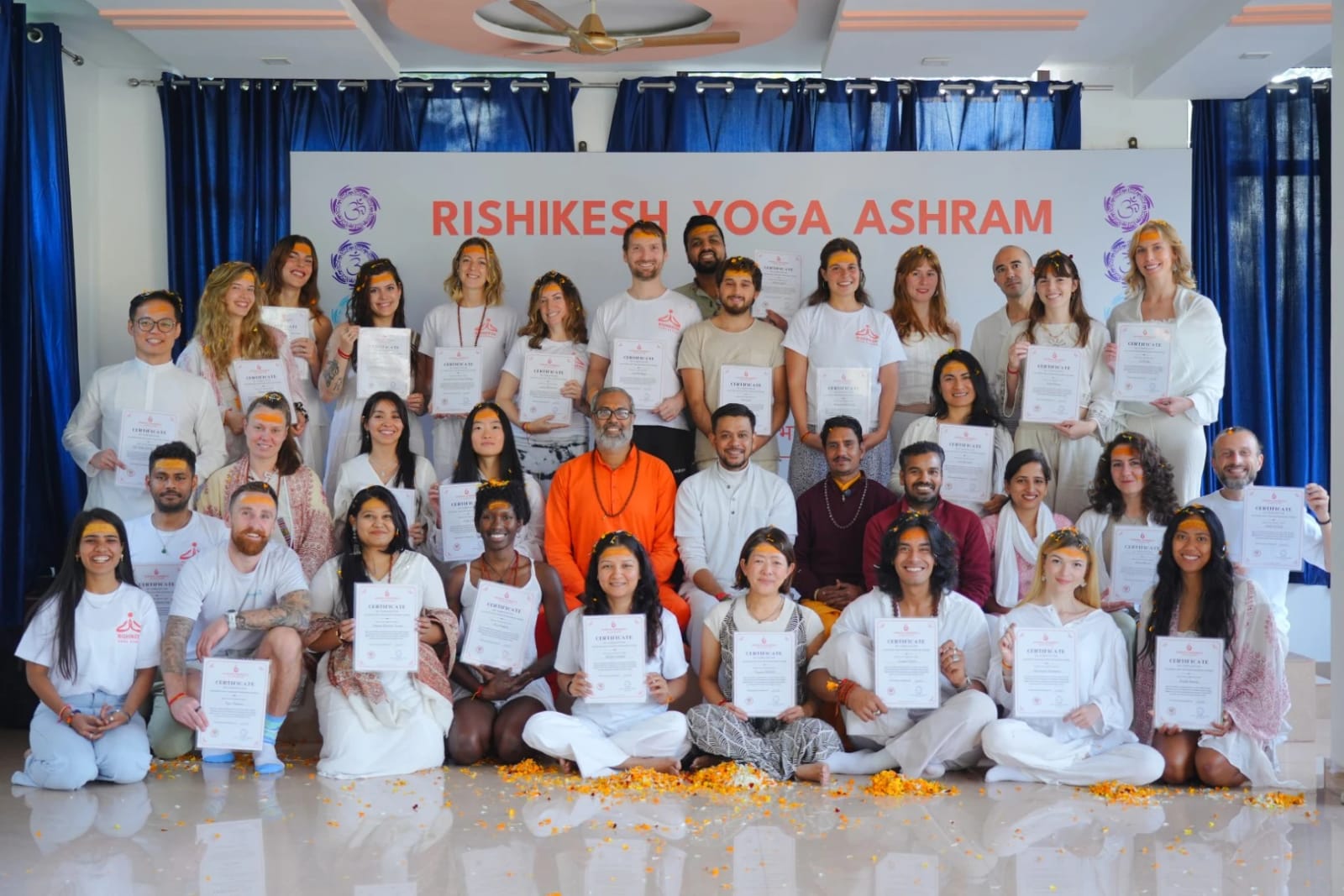
Those interested in exploring traditional yoga practice can visit Rishikesh yoga Ashram to learn more about yoga education. People considering a structured learning experience can also explore the 200 hour yoga teacher training in rishikesh and the 300 hour yoga teacher training in rishikesh.
A deeper understanding of yoga can help students appreciate how movement, breathing, meditation, and philosophy contribute to a well-rounded practice. For anyone teaching older adults, additional knowledge of adaptations and safety considerations is especially important.
Conclusion
Yoga can be a practical way to support healthy aging by encouraging flexibility, strength, balance, relaxation, and greater body awareness. Its adaptable nature makes it possible to choose movements that suit different abilities and levels of experience.
Begin with simple exercises, use support when needed, and focus on consistency rather than perfection. Combined with other healthy lifestyle habits and appropriate professional guidance, yoga can help people maintain an active, mindful, and balanced approach to everyday life as they age.