Building a personal fragrance collection does not require dozens of expensive bottles. A carefully selected group of perfumes can cover everyday activities, professional environments, social gatherings and special occasions without putting unnecessary pressure on your budget. The key is to choose fragrances with different purposes rather than purchasing multiple bottles that smell almost identical.
A smart fragrance wardrobe is about variety, practicality and personal preference. By understanding fragrance families, identifying essential occasions and comparing product value, men can create a collection that suits their lifestyle. Whether shopping in physical stores or exploring online fragrance collections in India, a planned approach helps reduce unnecessary spending and makes every purchase more worthwhile.
1. Understand What a Fragrance Wardrobe Means
A fragrance wardrobe is a small collection of perfumes selected for different situations, moods and environmental conditions. Instead of depending on one fragrance for every occasion, you choose a few options that offer useful variety.
For example, a fresh fragrance may be suitable for daytime activities, while a warmer composition may feel more appropriate for evening events. A subtle scent can work well in an office, whereas a more distinctive fragrance may suit celebrations.
The objective is not to own as many bottles as possible. It is to build a practical collection in which every fragrance has a purpose.
2. Identify the Essential Fragrance Categories
Before purchasing anything, consider the occasions for which you regularly need a fragrance. A beginner can start with two or three versatile options and expand gradually.
Everyday fragrance: Choose a comfortable composition that works for errands, casual outings and regular activities. Fresh, citrus and aromatic notes are useful starting points.
Office fragrance: Professional environments generally benefit from subtle fragrances with moderate projection. Clean musks, light woods and gentle citrus notes can create a pleasant impression without overwhelming shared spaces.
Evening fragrance: Social gatherings, dinners and celebrations may provide opportunities to explore richer compositions. Amber, vanilla, woody and spicy notes can offer additional warmth and depth.
Warm-weather fragrance: In warmer Indian regions, lighter citrus, aquatic and green profiles can feel refreshing during daytime use.
Special-occasion fragrance: A distinctive composition can be reserved for weddings, festivals, formal events and important celebrations.
These categories are flexible. One versatile bottle may cover several situations, so avoid purchasing a separate perfume for every occasion unless you genuinely need it.
3. Explore Fragrance Families Before Spending
Understanding fragrance families helps you select products that match your preferences. It also prevents unnecessary purchases based only on attractive packaging or popular recommendations.
Fresh and citrus: Often associated with lemon, bergamot and other refreshing notes. Suitable for daytime activities and warm conditions.
Woody: Includes cedar, sandalwood and vetiver-inspired profiles that can feel smooth, earthy or sophisticated.
Spicy: Features ingredients such as cardamom, pepper and cinnamon, creating warmth and character.
Amber and oriental: Often combines warm, sweet and resinous elements, making it suitable for evening wear.
Aquatic: Offers clean, airy impressions that many people prefer for casual use and warmer weather.
When considering an affordable men's perfume, focus on the scent profile rather than assuming that a particular price range determines quality. Test different families and identify which ones you genuinely enjoy wearing.
4. Set a Realistic Budget Before Buying
A spending limit helps you prioritise essential purchases and avoid impulse buying. Decide how much you can comfortably allocate to your collection before comparing products.
Divide your budget into stages rather than purchasing several full-size bottles together. Start with the fragrance you expect to wear most frequently, then add another option when you identify a genuine need.
Consider the following factors:
Total price, including delivery charges where applicable.
Bottle capacity and expected frequency of use.
Fragrance concentration and product information.
Availability of samples or smaller bottle sizes.
Seller reliability and product authenticity.
Expected cost per use rather than price alone.
A larger bottle may appear economical, but it offers little practical value if you rarely wear the fragrance. Choose a size that matches your actual usage.
5. Try Samples Before Purchasing Full-Size Bottles
Sampling is one of the most useful ways to control fragrance spending. A perfume may smell attractive on a testing strip but develop differently on your skin.
Begin with a small sample and wear it during your normal routine. Notice the opening, heart and base notes, and observe whether the fragrance remains comfortable throughout the day.
Try different options on separate occasions instead of testing too many perfumes together. This makes it easier to recognise differences and understand your preferences.
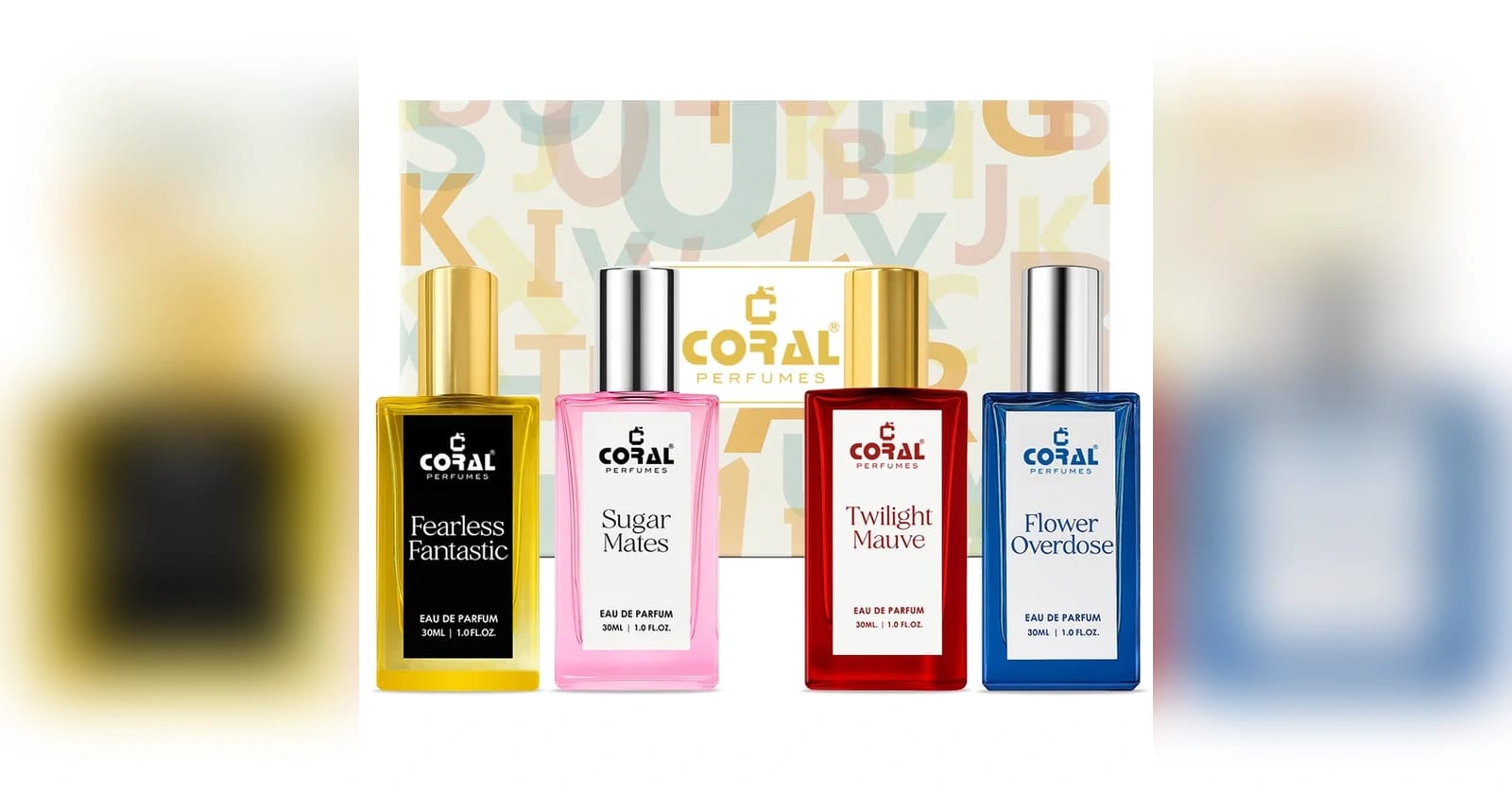
Discovery sets and travel-size bottles can also help you explore several fragrance styles without committing to multiple full-size purchases. Once a fragrance proves suitable through repeated use, consider buying a larger bottle.
6. Compare Quality and Performance Carefully
Quality should be evaluated through the complete fragrance experience rather than the bottle design or price tag.
Pay attention to three important performance characteristics:
Longevity: How long the fragrance remains detectable after application.
Projection: How noticeable the fragrance is to people around you.
Sillage: The scented trail that remains as you move.
These characteristics vary depending on the formulation, concentration, skin and environment. Strong projection does not automatically mean better quality. A subtle fragrance may be more practical for offices, public transport and close-contact settings.
When searching for the best perfume for your collection, prioritise a pleasant scent development, suitable performance and comfort over popularity alone.
7. Avoid Buying Fragrances That Serve the Same Purpose
One common mistake is purchasing several perfumes with very similar scent profiles. Although each bottle may be enjoyable individually, the collection may lack variety.
Before adding another product, review the fragrances you already own. Ask whether the new option introduces a different scent family, suits an occasion that is not currently covered or provides a useful alternative for changing weather.
You can maintain a simple purchase record containing the fragrance name, scent family, bottle size, price and intended use. This makes it easier to recognise overlaps and identify genuine gaps.
8. Consider Indian Climate and Lifestyle
Climate plays an important role in fragrance selection. In warmer and more humid parts of India, heavy compositions may feel intense when applied generously. Fresh, citrus, green and aquatic profiles can be comfortable choices for daytime activities.
During cooler months or evening occasions, woody, spicy and amber-based fragrances may offer a warmer character.
Lifestyle should also influence your collection. Someone working in an air-conditioned office may prefer a different fragrance style from someone who spends much of the day outdoors. Consider your daily schedule, commuting habits and social activities before purchasing.
9. Store and Maintain Your Collection Properly
Good storage habits help preserve fragrance quality. Keep perfume bottles away from direct sunlight, excessive heat and frequent temperature changes.
A cool, dry cupboard or drawer is generally a more suitable storage location than a sunny windowsill or bathroom shelf. Close the cap securely after use and avoid unnecessary exposure to air.
Organise your collection so that frequently used bottles remain accessible. Check product instructions and storage recommendations, particularly for travel-size bottles and fragrances that are not used regularly.
Frequently Asked Questions
How many perfumes should a man own?
There is no fixed number. Two or three versatile fragrances can cover many everyday needs, while a larger collection may suit people with different occasions and preferences.
How can I build a fragrance collection on a small budget?
Start with essential fragrance categories, compare prices, test samples and purchase one bottle at a time. Prioritise products that offer genuine variety and regular usability.
Should I buy full-size bottles or travel-size perfumes?
Travel-size options are useful for testing unfamiliar fragrances and occasional use. Full-size bottles are more practical when you already know that you enjoy wearing a particular scent regularly.
Are expensive perfumes always better?
No. Price does not automatically determine fragrance quality, comfort or performance. Compare the scent, formulation details, seller reliability and suitability for your needs.
How can I choose a versatile men's fragrance?
Look for a balanced scent profile that feels comfortable in different environments. Test it during daytime activities and social occasions before deciding whether it deserves a permanent place in your collection.
Conclusion
Building a budget-friendly fragrance wardrobe is about making thoughtful choices rather than collecting expensive bottles. By identifying essential fragrance categories, setting a realistic budget, testing samples and avoiding unnecessary overlap, men can create a collection that suits their personality and daily routine. A gradual purchasing approach also makes it easier to discover new scent preferences without overspending. Focus on quality, comfort and practical value, and every fragrance in your wardrobe can serve a meaningful purpose.
for more visit : coralperfumes.in