
Introduction
Getting enough quality sleep is important for maintaining good health, improving concentration, and keeping the body active throughout the day. Sleep allows the body to rest, recover, and prepare for daily activities. However, many people experience sleeping difficulties, such as trouble falling asleep, waking up during the night, or feeling tired even after spending several hours in bed.
Several factors can affect sleep quality. Stress, busy work schedules, excessive screen time, caffeine consumption, and irregular sleeping habits are some common reasons why people may struggle to get proper rest. These problems can affect daily energy, mood, concentration, and overall well-being.
Natural sleep aids include herbal ingredients, vitamins, minerals, and other approaches that may help support the body's natural sleep process.
What Is the Strongest Natural Sleep Aid?
The strongest natural sleep aid generally refers to an ingredient or natural approach that may help support relaxation, improve sleep timing, or encourage a healthier bedtime routine. However, there is no single natural ingredient that has been scientifically established as the strongest or most effective option for everyone.
Different people experience different types of sleeping difficulties. Some may have trouble falling asleep because of stress, while others may wake up frequently during the night or have an irregular sleep schedule. The most suitable approach depends on the reason behind the problem.
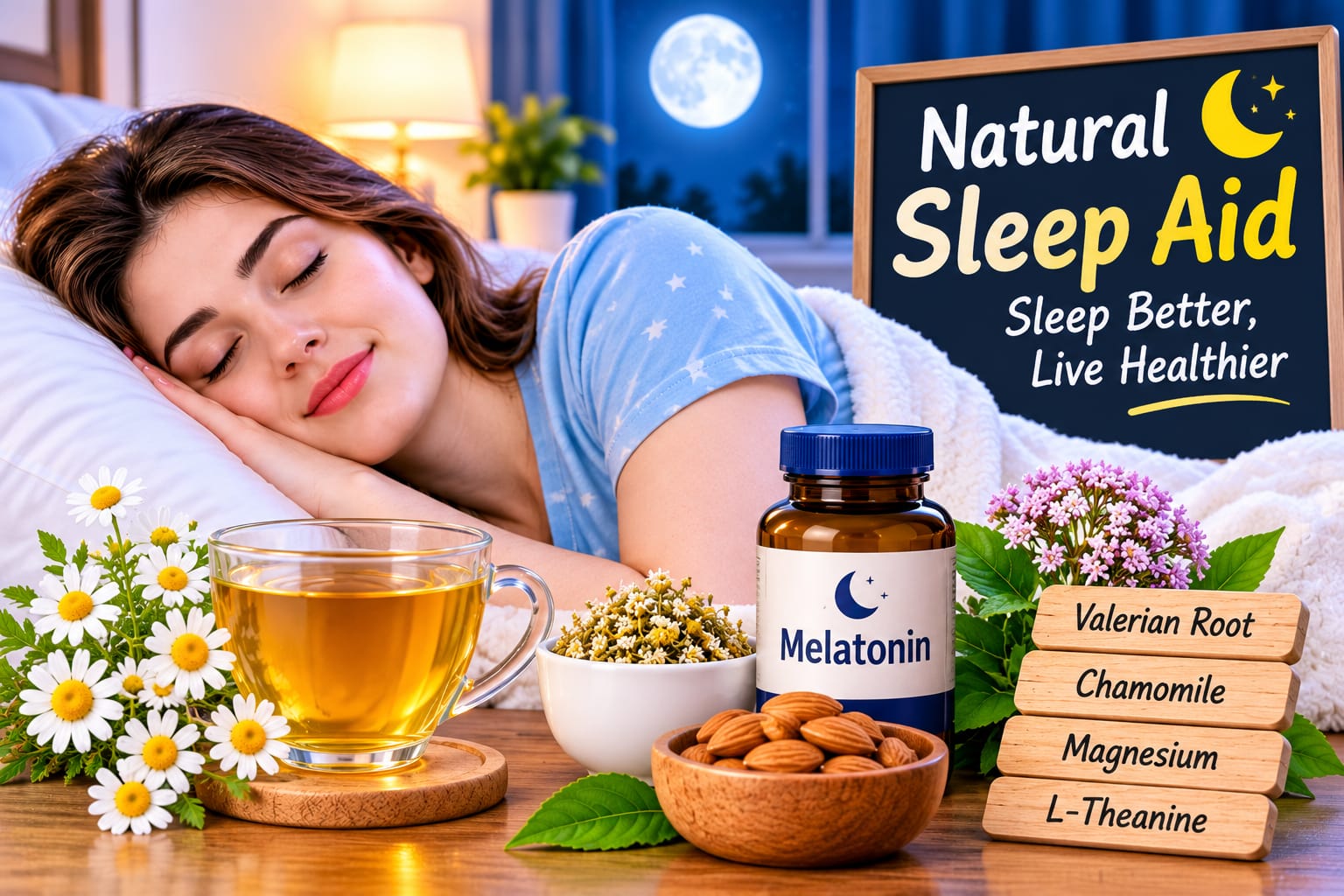
For example, melatonin is a hormone that helps regulate the body's internal sleep-wake cycle. Chamomile is commonly used as a relaxing herbal tea, while magnesium supports normal muscle and nerve function.
1. Valerian Root for Natural Sleep Support
Valerian root is a popular herbal ingredient traditionally used to support relaxation and nighttime wellness. It comes from the roots of the valerian plant and is available in different forms, including capsules, liquid extracts, and herbal teas.
Many people explore valerian root when looking for the strongest natural sleep aid because it has a long history of traditional use for relaxation and sleep-related concerns.
Valerian may interact with chemical pathways involved in relaxation in the brain. However, scientific studies have produced mixed results. Some research has explored its possible effects on sleep quality, but there is not enough consistent evidence to confirm that valerian reliably treats insomnia.
People considering valerian products should also understand their possible side effects. Some individuals may experience headaches, dizziness, stomach discomfort, or unusual tiredness. Its long-term safety is not well established.
Valerian may also interact with alcohol and medicines that cause drowsiness. Therefore, it is important to consult a healthcare professional before using it, especially if you take regular medication.
2. Chamomile for Relaxation Before Bedtime
Chamomile is one of the most commonly used herbs in evening relaxation routines. It is usually consumed as a warm herbal tea and is appreciated for its mild taste and pleasant aroma.
People searching for the strongest natural sleep aid may consider chamomile because it is traditionally associated with relaxation. Chamomile contains natural plant compounds, including apigenin, which have been studied for their possible interaction with certain processes in the brain.
Drinking a cup of chamomile tea before bedtime may help create a calm evening routine. For some people, the simple habit of preparing and enjoying a warm drink can become part of a relaxing bedtime experience.
However, chamomile should not be considered a proven treatment for insomnia. Scientific evidence supporting its effectiveness for sleep disorders remains limited.
It is also important to consider allergies. People who are allergic to ragweed, daisies, chrysanthemums, or related plants may experience an allergic reaction to chamomile. Anyone with known plant allergies should be cautious before using it.
3. Melatonin and the Body's Natural Sleep Cycle
Melatonin is a hormone naturally produced by the brain, mainly in response to darkness. It helps regulate the body's internal clock and sends signals that it is time to prepare for sleep.
Melatonin supplements are widely discussed as a natural sleep-support option. They may be useful for certain sleep-timing problems, such as jet lag or difficulties related to shift work. Some people also consider melatonin when their sleeping schedule changes frequently.
When exploring the strongest natural sleep aid, it is important to understand that melatonin does not work like a traditional sleeping medicine. It mainly helps regulate sleep timing rather than acting as a guaranteed solution for every type of sleeping difficulty.
The timing of melatonin use matters. Taking it at an unsuitable time may affect the body's natural sleep-wake rhythm.
Possible side effects include headaches, dizziness, nausea, and daytime drowsiness. It may also interact with certain medications.
People should speak with a healthcare professional before starting melatonin supplements, particularly if they take other medicines or have an existing health condition.
4. Magnesium and Its Connection to Better Sleep
Magnesium is an essential mineral that plays an important role in many body functions. It supports normal muscle movement, nerve function, and several processes involved in maintaining overall health.
Magnesium is naturally available in foods such as almonds, spinach, pumpkin seeds, beans, whole grains, and other nutritious ingredients.
Some people consider magnesium when researching the strongest natural sleep aid because this mineral is involved in processes related to nerve activity and muscle function. Maintaining adequate magnesium levels is important for general health.
However, research into magnesium supplements and sleep quality has shown mixed results. There is currently insufficient high-quality evidence to establish magnesium as a reliable treatment for insomnia.
5. L-Theanine for Evening Relaxation
L-theanine is an amino acid naturally found in tea leaves, particularly green tea. It has attracted attention because of its possible connection with relaxation and stress management.
Some preliminary research suggests that L-theanine may influence brain activity associated with a relaxed mental state. This has led to interest in its possible role in supporting relaxation before bedtime.
People looking for the strongest natural sleep aid may find L-theanine included in different dietary supplement formulations. However, more research is needed to understand its effectiveness for sleep quality and determine whether supplements provide meaningful benefits.
Natural Ways to Improve Sleep Quality Without Supplements
Natural sleep support does not always require herbal products or dietary supplements. Everyday habits can make a meaningful difference in sleep quality.
People searching for the strongest natural sleep aid should also understand the importance of maintaining a regular sleeping routine. Small changes in daily activities can help the body develop healthier sleep patterns.
Here are some simple habits that may support better nighttime rest.
Maintain a Regular Sleep Schedule
Try to go to bed and wake up at approximately the same time every day, including weekends. A consistent schedule can help regulate the body's internal clock and make it easier to maintain a healthy sleep routine.
Reduce Screen Time Before Bed
Phones, computers, and televisions produce light that may interfere with the body's natural preparation for sleep. Reducing screen exposure before bedtime can help create a more relaxing environment.
Consider reading a book, listening to calm music, or practicing gentle breathing exercises instead of spending time on your phone.
Avoid Caffeine Late in the Day
Caffeine is present in coffee, tea, energy drinks, and some soft drinks. It can remain active in the body for several hours and may make it difficult to fall asleep.
Try limiting caffeine consumption later in the day, especially if you notice that it affects your nighttime rest.
Create a Comfortable Bedroom
Your sleeping environment can influence how easily you relax at bedtime. Keep your bedroom quiet, dark, and comfortably cool.
A comfortable mattress, suitable pillows, and a peaceful atmosphere can make your bedroom more suitable for rest.
Practice Relaxation Techniques
Stress and constant thinking can make it difficult to fall asleep. Deep breathing, meditation, gentle stretching, and progressive muscle relaxation may help reduce tension.
Including these activities in your evening routine may make bedtime feel more comfortable and peaceful.
Stay Physically Active
Regular physical activity supports general health and may contribute to better sleep quality. Walking, cycling, swimming, and other suitable activities can help maintain a healthy daily routine.
However, intense exercise immediately before bedtime may make some people feel more alert. Choose an exercise schedule that suits your body and sleeping habits.
How to Choose the Right Natural Sleep Aid
Choosing a suitable sleep-support option requires understanding your personal needs. A product described as the strongest natural sleep aid may not necessarily be the right choice for every individual.
Before selecting any herbal ingredient or supplement, consider the following factors.
Understand Your Sleep Problem: First, identify what makes sleeping difficult. Consider whether you struggle to fall asleep, wake up frequently, or have an irregular sleeping schedule.
Check the Ingredients: Always read product labels carefully. Understand which ingredients are included and whether the formulation contains additional substances.
Look at Scientific Evidence: Do not depend entirely on advertisements or product reviews. Look for reliable information about the ingredients and their possible effects.
Review Possible Side Effects: Natural ingredients can still cause unwanted reactions. Some may also interact with prescription medicines, alcohol, or other supplements.
Consider Product Quality: Choose products from reliable manufacturers that provide clear ingredient information and appropriate quality testing.
Ask a Healthcare Professional: A qualified healthcare professional can help you understand whether a particular supplement is suitable for your health needs.
The right approach should focus on safety, individual requirements, and available scientific evidence rather than simply choosing the product with the strongest marketing claims.
Here are some important safety points to remember:
Check for Medication Interactions: Some herbal ingredients may interact with prescription medicines, particularly medicines that cause drowsiness.
Avoid Mixing Sleep Products: Combining multiple sleep supplements without professional advice may increase the risk of unwanted effects.
Read Product Labels: Check the ingredients, recommended use, warnings, and manufacturer information before purchasing a product.
Consider Existing Health Conditions: People with ongoing health conditions should seek professional advice before starting supplements.
Get Professional Guidance: Pregnant or breastfeeding individuals and people taking regular medication should consult a healthcare professional before using sleep-support products.
It is also important to remember that supplements should not replace proper medical care. If sleeping difficulties continue, identifying the underlying cause is more useful than depending only on products marketed as powerful sleep solutions.
When Should You Seek Professional Help for Sleep Problems?
Occasional sleeping difficulties are common and may happen because of stress, travel, changes in routine, or other temporary situations. However, regular sleep problems should not be ignored.
If you frequently struggle to fall asleep, wake up several times during the night, or feel tired throughout the day, it may be helpful to speak with a healthcare professional.
Some symptoms that deserve attention include:
Difficulty sleeping for several weeks.
Regular daytime tiredness or difficulty concentrating.
Loud snoring or repeated breathing interruptions during sleep.
Waking up frequently without feeling rested.
Sleep difficulties that affect work, studies, or everyday activities.
A healthcare professional can help identify possible causes, including stress, medication effects, sleep apnea, or other sleep-related conditions.
One well-supported treatment for long-term insomnia is Cognitive Behavioral Therapy for Insomnia (CBT-I). This treatment focuses on changing thoughts, behaviors, and habits that interfere with healthy sleep.
Explore More Health and Sleep-Related Information
Learning about sleep health can help people understand their nighttime habits and make informed decisions about different sleep-support options.
From herbal ingredients and nutritional supplements to relaxation techniques and healthy lifestyle changes, there are several areas worth exploring when trying to improve sleep quality.
Understanding the strongest natural sleep aid also means learning about its possible benefits, limitations, and safety considerations. Reliable information can help readers compare different options without depending entirely on advertising claims.
For more health-related information, general wellness resources, and available product categories, readers can visit Genericmedecart to explore different health and wellness options.
Conclusion
Finding the strongest natural sleep aid is not simply about choosing the most popular herbal ingredient or dietary supplement. It involves understanding individual sleeping difficulties, learning about different ingredients, and considering the scientific evidence behind them.
Options such as valerian root, chamomile, melatonin, magnesium, and L-theanine are commonly discussed for their possible connection with relaxation and sleep support. However, their effectiveness varies, and none should be considered a guaranteed treatment for insomnia.
Healthy lifestyle habits are equally important. Following a regular bedtime, reducing screen exposure, limiting caffeine, staying physically active, and creating a comfortable sleeping environment can all support better nighttime rest.
Before choosing any sleep supplement, consider its ingredients, possible side effects, and interactions with other medicines. Consulting a healthcare professional can help you make a safer and more informed decision.
Frequently Asked Questions (FAQs)
1. What is the strongest natural sleep aid?
There is no scientifically established single strongest natural sleep aid for everyone. Valerian root, chamomile, melatonin, and magnesium are commonly discussed options, but their effectiveness and scientific evidence vary. The most suitable approach depends on individual sleep concerns and health requirements.
2. What is the best natural sleep aid for adults?
The best natural sleep aid depends on the person's sleeping habits, lifestyle, and health conditions. Maintaining a regular sleep schedule, practicing relaxation techniques, and creating a comfortable sleeping environment are useful starting points. Supplements should be considered with professional guidance.
3. Does valerian root help with sleep?
Valerian root is traditionally used for relaxation and nighttime wellness. Some studies have examined its possible effects on sleep, but the results are inconsistent. There is currently insufficient reliable evidence to confirm that valerian effectively treats insomnia.
4. Is chamomile tea good before bedtime?
Chamomile tea is commonly enjoyed as part of a relaxing evening routine. Its mild taste and warm preparation may help some people unwind before bedtime. However, scientific evidence does not conclusively establish chamomile as a treatment for sleep disorders.
5. Can melatonin help with sleeping difficulties?
Melatonin helps regulate the body's natural sleep-wake cycle. Supplements may help with certain sleep-timing problems, such as jet lag and some shift-work-related difficulties. However, melatonin is not a proven general treatment for chronic insomnia.
6. Is magnesium a good natural sleep aid?
Magnesium is an essential mineral that supports normal muscle and nerve function. It is sometimes discussed for its possible relationship with sleep quality, but research findings remain limited and inconsistent. A balanced diet can help provide magnesium, while supplements should be used with appropriate guidance.