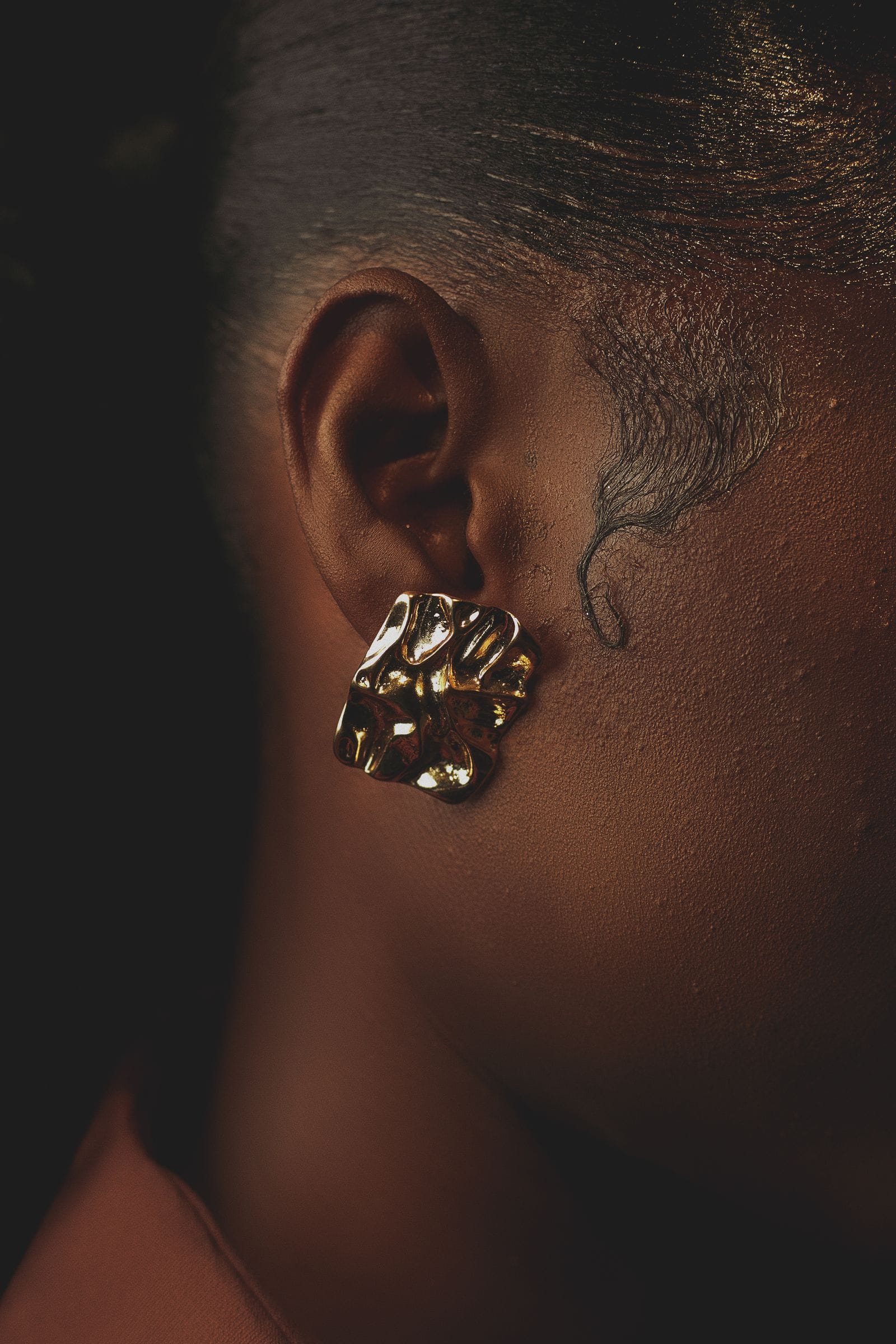
Living With Prominent Ears: When Otoplasty in Dubai Is Worth Considering
Most people do not think about their ears until something draws attention to them: a haircut that exposes them, a photograph taken from the side, or a comment from a classmate that stays in the memory far longer than it should. Prominent ears are a common variation, not a medical problem, but they can affect confidence in ways that are hard to explain to someone who has never experienced it. For adults who have lived with them for years, and for parents weighing the decision for a child, Otoplasty in Dubai is a surgical option that reshapes the ear so it sits closer to the head.
The decision to have otoplasty is a personal one, and it is not a decision to rush. Unlike some cosmetic procedures, the result is permanent, and the ears are visible from almost every angle. That makes the choice of surgeon particularly important. The aim is not to create a new ear but to bring the existing one into a more usual position, keeping the natural shape while reducing the prominence that draws the eye.
This article explains how the procedure works, what the recovery is like, who it suits, and how to think about the decision — for adults, and for parents considering it for a child. It is a neutral guide, written to give a clear picture of the treatment rather than to persuade anyone towards it.
How Otoplasty Works
Prominent ears usually result from the way the ear cartilage developed. In many cases the fold in the upper ear did not form fully, so the top of the ear stands away from the head, or the bowl of the ear is deeper than usual, pushing the whole ear outward. Sometimes both are true, and the two ears may be affected differently, which is why asymmetry is common.
During otoplasty, the surgeon makes an incision behind the ear, in the crease where it meets the head, so the scar is hidden from view. Through that incision the cartilage is reshaped, usually with permanent sutures that hold the fold in place, and sometimes with a small amount of cartilage removed or scored to allow it to bend more easily. The skin behind the ear may also be trimmed slightly so the ear sits closer to the head.
The procedure typically takes one to two hours. Adults usually have it under local anaesthetic with sedation, while children and adults who prefer it have it under general anaesthetic. Most patients go home the same day, with a dressing or a protective headband in place. The headband is usually worn continuously for the first few days and then at night for several weeks, to protect the ears while the cartilage settles into its new shape.
The result becomes clear as swelling settles over the following weeks, although the ears continue to refine for a few months. Otoplasty does not affect hearing, and it does not change the size of the ear in any significant way; it changes the position and the angle. The change is permanent, since the cartilage itself is reshaped.
What Recovery Is Really Like
The first few days after otoplasty are the most uncomfortable. There is usually some soreness, swelling and bruising around the ears, and the dressing can feel bulky. Pain relief prescribed by the surgeon usually manages this well, and most people find the discomfort eases noticeably after the first two or three days.
Most adults return to desk-based work within about a week, and children usually return to school after a similar period. The headband is the most visible part of recovery, and it is also the most important: it protects the ears from being knocked while they heal. Contact sports and activities where the ears might be bumped hould be avoided for several weeks, and sleeping on the side needs care in the early weeks.
I is worth knowing that the ears will look more swollen and prominent at first than they will once healing is complete, and that the two ears may settle at slightly different rates. This is normal. The final result is usually assessed after a few months, once the swelling has fully resolved and the cartilage has settled. Follow-up appointments during this period are part of the treatment, and patients should attend them even if everything feels fine.
Otoplasty for Children: What Parents Should Know
For parents, the decision about otoplasty is different from the decision an adult makes for themselves, because it involves a child who may not yet be able to weigh the choice fully. The procedure is usually considered from around the age of five or six, when the ears are close to their adult size and the cartilage is still flexible enough to reshape easily. Before that age, the ears are still growing, and surgery is generally not advised.
The most important question is whether the child themselves wants the procedure. A child who is teased at school or who hides their ears under their hair may genuinely benefit, but a child who is happy with their ears should not be pressed into surgery to satisfy someone else’s concern. The surgeon will usually want to meet the child, explain the procedure in simple terms, and judge whether the child understands what will happen and is comfortable with it.
Parents should also think about timing. Many families choose to have the procedure done during a school holiday, so the child has a week or two to recover at home before returning to class. The headband worn after surgery can draw questions from classmates, so it helps to prepare the child for that, and to make sure the school knows about any restrictions on sport or physical activity in the first few weeks.
How to Choose the Right Clinic for Otoplasty in Dubai
Experience and Qualifications
Ear surgery rewards a surgeon who performs it often. Ask how many otoplasty procedures the surgeon carries out each year, what techniques they use, and what their training is. Surgeons in Dubai, UAE should be licensed by the Dubai Health Authority, and patients should not hesitate to ask for confirmation of this before booking.
Technology and Techniques
There is more than one way to reshape an ear, and the right technique depends on the cause of the prominence. Ask the surgeon to explain which technique they would use in the individual case and why, and how they would handle any asymmetry between the two ears. A consultation at a well-established practice such as Enfield Royal Clinic Dubai will normally include this discussion, so the patient understands the plan before committing to surgery.
Safety and Hygiene Standards
Otoplasty is usually a day-case procedure, but it is still surgery, and it should take place in a properly equipped facility with anaesthesia support, sterile technique and a clear plan for managing complications. For children, the facility should have experience with paediatric anaesthesia and paediatric aftercare, and parents should ask about this specifically.
Consultation and Assessment
A good consultation is unhurried. The surgeon should examine the ears, discuss the patient’s goals, explain what is achievable, and be clear about the limitations. Be cautious of any clinic that guarantees perfect symmetry, rushes the consultation, or pressures the patient to book immediately. A cooling-off period to think things over is a reasonable expectation, and a second opinion is always an option.
Patient Experience and Follow-Up
Ask what follow-up care is included, how many review appointments are scheduled, and who to contact if there are concerns after the procedure. Good aftercare is part of the treatment, not an optional extra, and the quality of follow-up often tells you more about a clinic than any brochure.
Expected Results and Limitations
Before committing, make sure the expected result is described realistically. The ears will not be perfectly identical, swelling takes time to settle, and the result is a natural-looking reduction in prominence rather than ears pressed flat to the head. A surgeon who explains these limits clearly is giving the patient the information needed to make a genuinely informed decision.
Frequently Asked Questions
Is otoplasty only for children?
No. Otoplasty is performed on adults as well as children, and many adults choose it after living with prominent ears for years. The procedure is the same in principle, although adult cartilage is firmer and may need a slightly different technique. There is no upper age limit as long as the patient is in good general health.
How long does otoplasty take?
The procedure usually takes one to two hours, depending on whether one or both ears are treated and on the complexity of the correction. It is normally a day-case procedure, meaning the patient goes home the same day, with a dressing or headband in place.
Will my ears look natural after otoplasty?
When the surgery is planned well, the ears should look natural, with a small amount of outward angle remaining. The aim is to reduce prominence, not to pin the ears flat against the head. Looking at the surgeon’s previous results and discussing the planned degree of correction at consultation helps set the right expectation.
Can otoplasty be done on one ear only?
Yes, otoplasty can be performed on one ear if only one is prominent. However, the surgeon will usually assess both ears, because treating one ear can make a small difference in the other more noticeable. In many cases both ears are treated to achieve the best symmetry.
What are the risks of otoplasty?
As with any surgery, the risks include infection, bleeding, scarring and asymmetry. There is also a small chance that the ear may drift back towards its original position over time, which might need a further procedure. These risks should be discussed openly at consultation, along with how the clinic manages them if they occur.
Conclusion
Prominent ears are a common and harmless variation, but they can matter a great deal to the person who has them. Otoplasty offers a permanent way to reduce that prominence, and for many people the result is a quiet but real improvement in confidence — the freedom to wear hair up, to be photographed from the side, and to stop thinking about their ears.
Anyone considering it should start with an unhurried consultation. A good surgeon will examine the ears honestly, explain whether ear surgery is likely to help, and set out the risks and the recovery in full, so the final decision is made with clear information rather than guesswork.