This one kept coming up in different forms so here's the plain version without the vague compatibility language most listings hide behind.
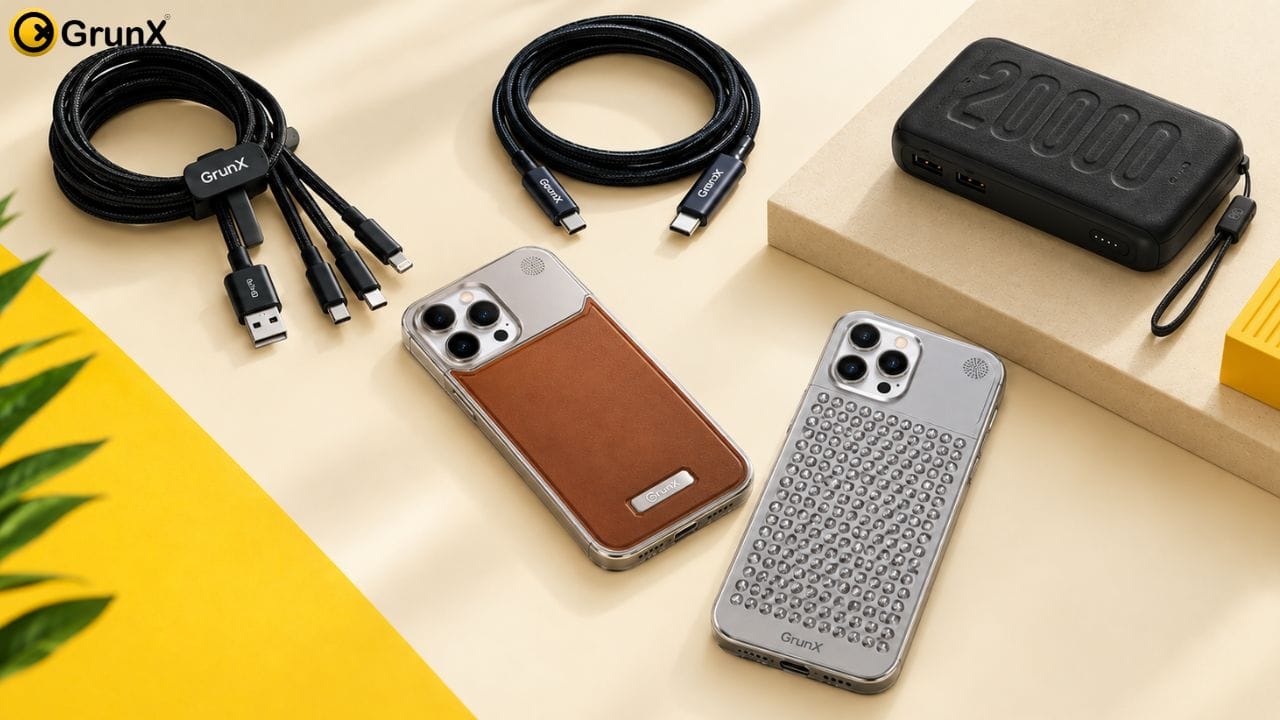
Looking into the GrunX Object 3 in 1 cable for iPhone helped clarify something useful, that a single cable can realistically cover Lightning, USB-C, and Micro-USB devices in one household, which matters if an iPhone shares a charging drawer with older Android gear or accessories that still use older ports. Power banks deserve the same scrutiny, since an iPhone specifically needs PD support to fast charge properly rather than whatever generic speed claim gets printed on the box.
If you're dealing with a similarly mixed device household, grunx.in's iPhone collection sorts cables, power banks, and cases by exact compatibility, worth comparing directly before buying based on packaging alone.
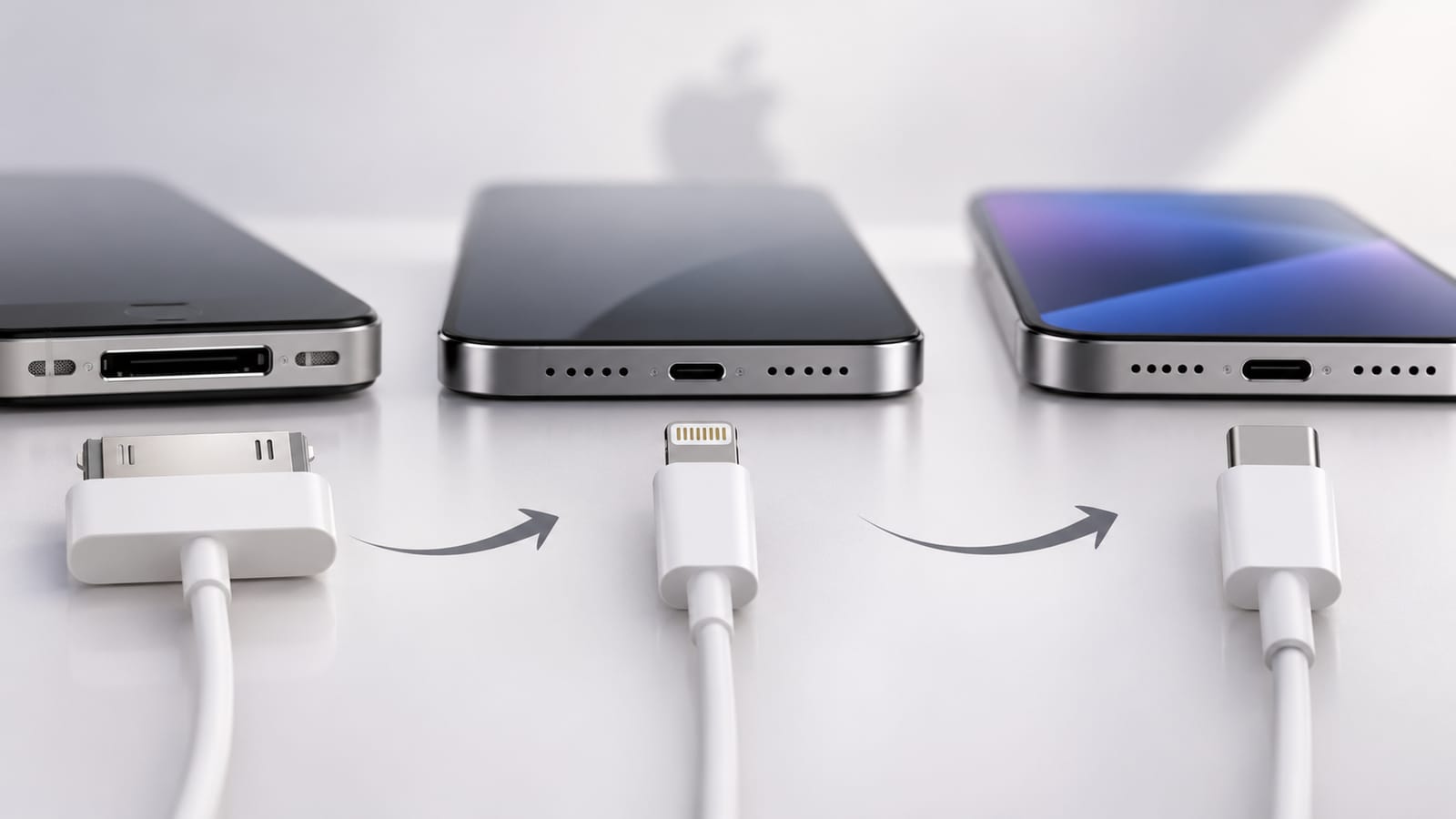
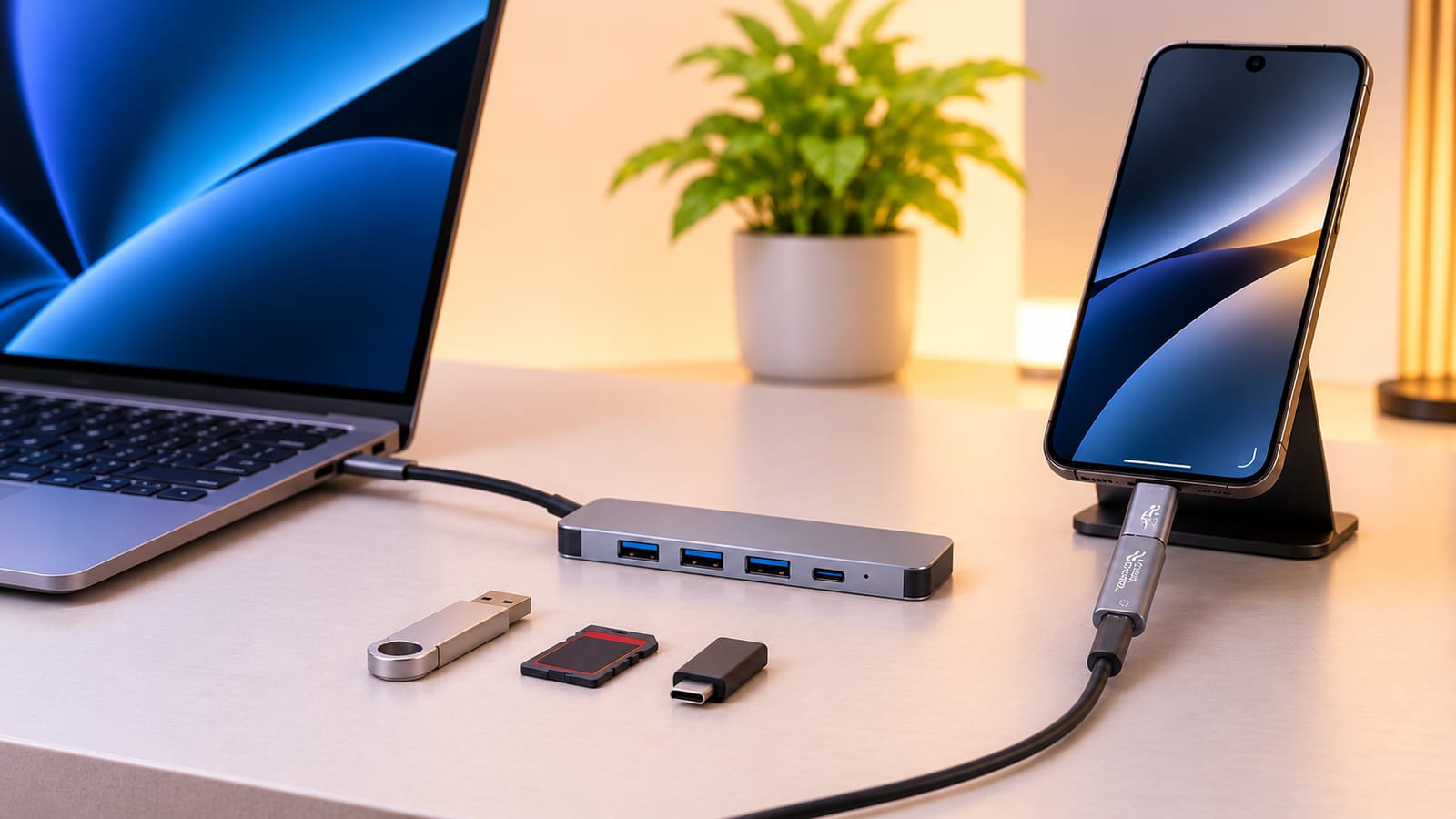
The quick way to sort it out is to check the port on each device instead of going by the model name. The iPhone 14 and earlier models use Lightning, while the iPhone 15 and every model since have a USB-C port, so a household with both generations already needs two connector types before you count any Android phone or older accessory. Micro-USB still turns up on budget speakers, older e-readers, bike lights and some game controllers, which is why it keeps appearing on multi-tip cables.
Fast charging is the other place where listings get vague. An iPhone 8 or newer can fast charge over USB Power Delivery, which means a USB-C to Lightning or USB-C to USB-C cable plugged into a PD charger or PD power bank rated at 18W or more. A USB-A to Lightning cable will still charge the phone, just at the slower standard rate, so the end that goes into the charger matters as much as the end that goes into the phone.
One simple habit helps here: write down every device in the house, its port, and whether you care about fast charging it. That short list makes it obvious which cable covers what, and it stops you buying another cable that duplicates one already sitting in the drawer.