Pathology has become an increasingly important part of modern medicine. From examining tissue samples to interpreting cellular changes and using molecular testing, pathology helps healthcare professionals understand diseases at a deeper level. As diagnostic medicine continues to develop, doctors may look for structured educational opportunities that allow them to strengthen their knowledge of pathology and its clinical applications.
A pathology fellowship can provide focused learning in areas such as histopathology, cytopathology, hematopathology, molecular pathology, immunohistochemistry, and laboratory medicine. For medical professionals who already have a foundation in medicine, this type of advanced education can offer an opportunity to explore pathology in greater depth.
What Is a Pathology Fellowship?
A pathology fellowship is a structured educational or professional training program focused on pathology and related diagnostic disciplines. The exact curriculum and format can vary between institutions and programs.
Depending on the program, learning may include theoretical concepts, case-based education, laboratory principles, diagnostic methods, and specialized areas of pathology. Some programs may focus on a particular subspecialty, while others provide broader exposure to modern diagnostic pathology.
Before choosing a program, doctors should review its curriculum, eligibility requirements, learning format, duration, faculty, accreditation or recognition, and assessment methods.
Why Pathology Knowledge Matters in Medicine
Diagnosis is an essential part of clinical practice. Doctors use multiple sources of information to understand a patient's condition, including symptoms, physical examination, imaging, and laboratory investigations.
Pathology contributes important evidence through the examination of tissues, cells, blood, and other biological specimens. Histopathology, for example, can help identify changes in tissue architecture, while cytopathology focuses on individual cells.
Understanding how these investigations work can help medical professionals appreciate the information contained in pathology reports and communicate more effectively with laboratory specialists.
Major Areas of Pathology
Modern pathology includes several specialized fields. A broad educational program may introduce doctors to some or all of these areas.
Histopathology
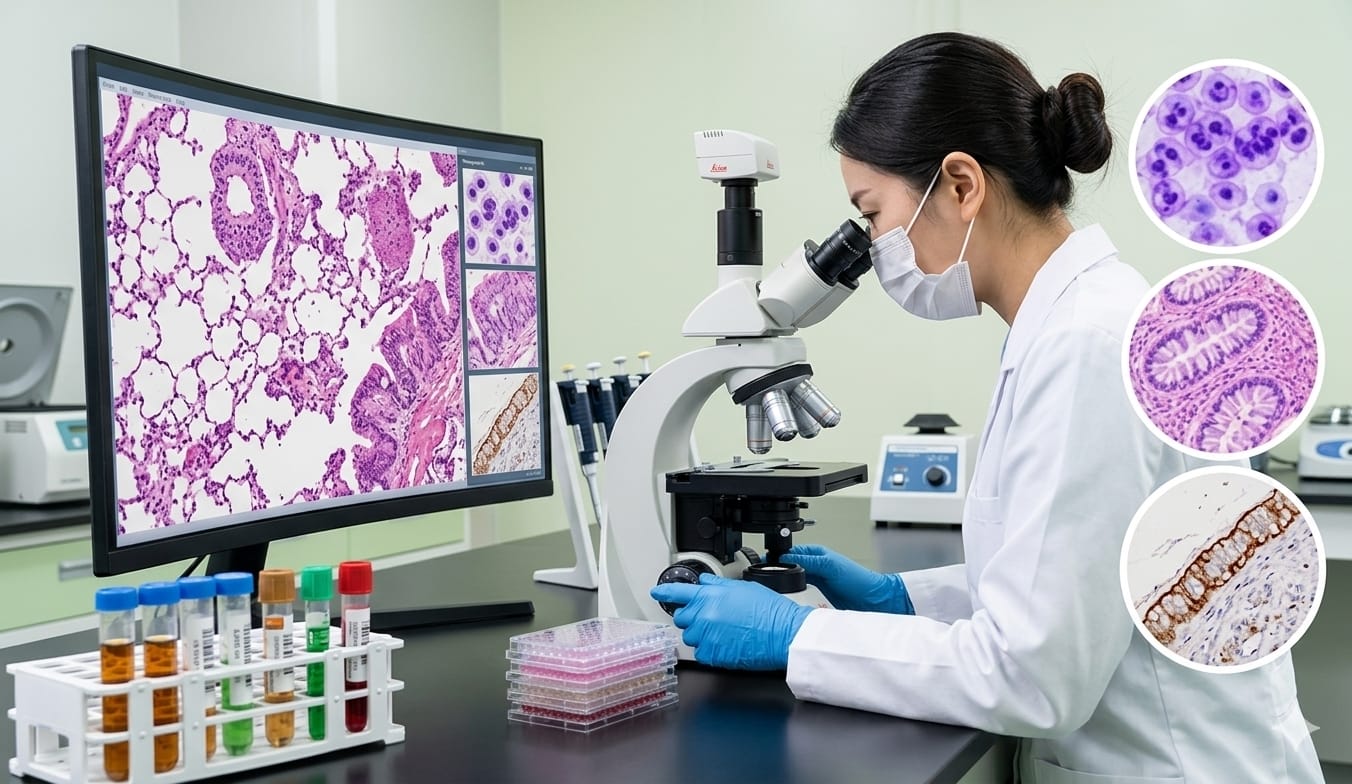
Histopathology involves microscopic examination of tissue. Biopsy and surgical specimens can be processed and examined to identify disease-related changes.
It is widely used in the investigation of tumors, inflammatory conditions, infections, and many other diseases.
Cytopathology
Cytopathology focuses on individual cells. Samples may come from body fluids, surface collections, or fine-needle aspiration procedures.
The examination can help identify abnormal cellular changes and may contribute to the investigation of certain cancers and other conditions.
Hematopathology
Hematopathology focuses on diseases involving blood, bone marrow, and related tissues. It can involve the assessment of blood cells, bone marrow samples, and other laboratory findings.
Molecular Pathology
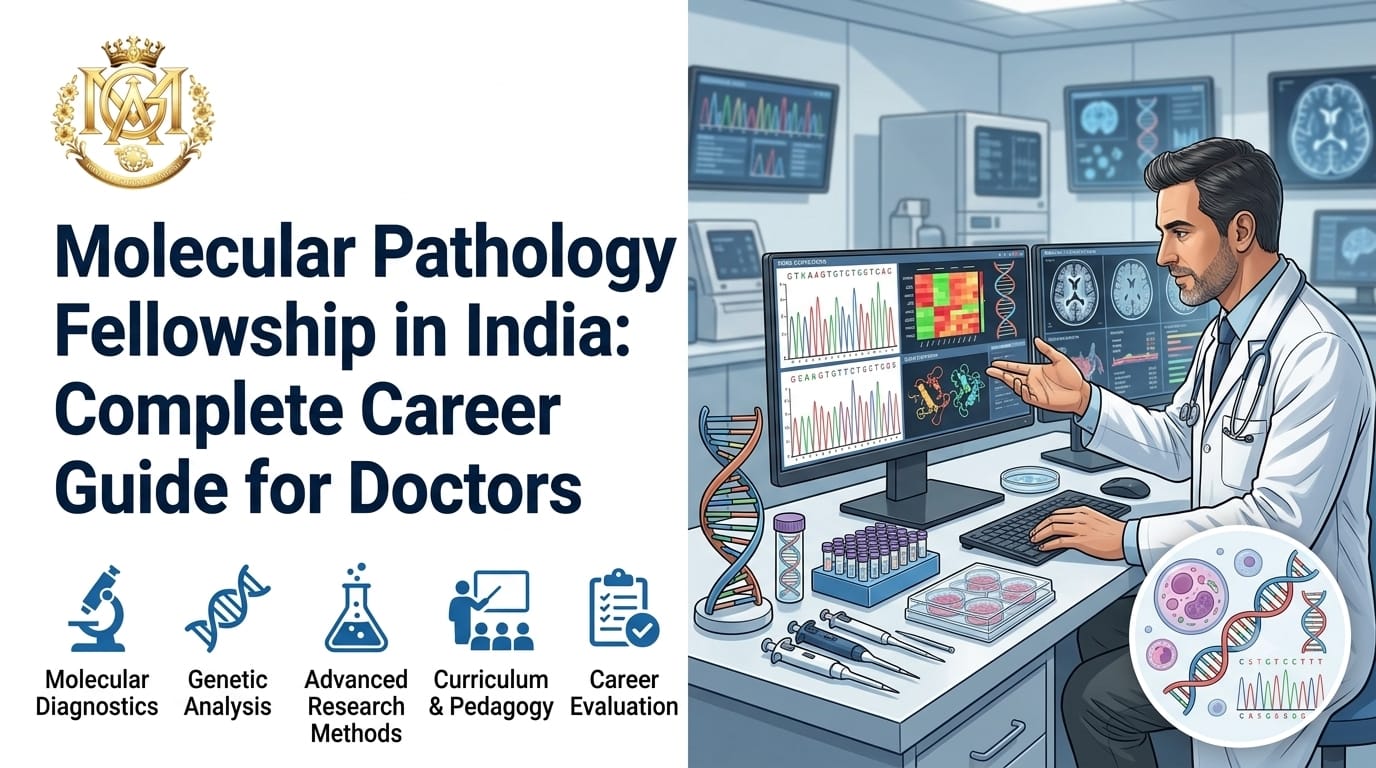
Molecular pathology examines genetic and molecular characteristics associated with disease. It has become particularly relevant in modern cancer diagnosis, where molecular information can complement conventional microscopic examination.
Immunohistochemistry
Immunohistochemistry uses antibodies to identify specific proteins or markers within tissue samples. It can provide additional information when routine microscopic examination does not answer all diagnostic questions.
What Can Doctors Learn From Advanced Pathology Education?
The learning outcomes of a pathology-focused program depend on its curriculum, but doctors may develop a better understanding of:
Tissue and cellular examination
Pathology terminology
Laboratory workflows
Histopathology
Cytopathology
Molecular pathology
Immunohistochemistry
Pathology reporting
Diagnostic approaches
Emerging technologies in pathology
This knowledge can be useful for professionals who regularly interact with pathology reports or want to understand the laboratory side of medical diagnosis more effectively.
Pathology and Cancer Diagnosis
Cancer is one of the areas where pathology has a particularly important role. When a suspicious lesion is biopsied, tissue examination can help determine whether malignant changes are present.
The pathology report may provide information about the type and characteristics of a tumor. Depending on the case, additional methods such as immunohistochemistry or molecular testing may be used.
A deeper understanding of these techniques can help doctors appreciate how laboratory findings contribute to cancer classification and clinical decision-making.
Digital Pathology and New Technologies
Pathology is also being influenced by technological developments. Digital pathology allows microscopic slides to be converted into high-resolution digital images. These images can be reviewed electronically and used for education, consultation, collaboration, and research.
Artificial intelligence is another developing area. Researchers are investigating how AI-based systems may support image analysis, pattern recognition, and other diagnostic workflows.
Molecular testing is also becoming increasingly integrated into modern pathology. Together, these developments are creating new opportunities for medical education and professional development.
Who May Consider Advanced Pathology Training?
Doctors and medical professionals with an interest in diagnostic medicine may consider additional pathology education. This can include professionals interested in laboratory medicine, oncology, surgical specialties, internal medicine, or other fields where pathology findings are frequently encountered.
However, suitability depends on the specific program. Doctors should always check eligibility criteria and course requirements before applying.
A structured Fellowship in Pathology can be explored by medical professionals looking for focused learning in pathology and its applications in modern diagnostic medicine.
How to Choose the Right Program
Choosing a suitable pathology program requires more than looking at the course title. Doctors should consider several factors before enrolling.
Curriculum: Check whether the subjects match your learning goals.
Learning format: Understand whether classes are online, in person, live, recorded, or a combination.
Duration: Review the total duration and expected study commitment.
Faculty: Look at the academic and professional background of the teaching team.
Assessment: Understand how learning is evaluated.
Recognition: Check the program's accreditation, certification, or professional recognition where applicable.
Practical exposure: If hands-on experience is important for your goals, verify exactly what practical components are included.
These factors can help medical professionals make a more informed educational decision.
Frequently Asked Questions
What is a pathology fellowship?
A pathology fellowship is a focused educational or professional training program designed to provide deeper knowledge of pathology or a specific pathology subspecialty.
What subjects can be covered?
Depending on the program, subjects may include histopathology, cytopathology, hematopathology, molecular pathology, immunohistochemistry, laboratory medicine, and digital pathology.
Is pathology relevant outside pathology departments?
Yes. Many doctors encounter pathology reports and laboratory findings in clinical practice. Understanding pathology can therefore be useful across multiple medical specialties.
Why is molecular pathology becoming important?
Molecular pathology can provide information about genetic and molecular characteristics of disease. This information can complement conventional histopathology and other diagnostic methods.
What should doctors check before joining a program?
Doctors should review eligibility, curriculum, duration, learning format, faculty, assessment, accreditation or recognition, and the type of certification provided.
Pathology is an important part of modern diagnostic medicine, and continued developments in histopathology, molecular testing, digital pathology, and other technologies are expanding the field.
For doctors interested in developing a stronger understanding of laboratory-based diagnosis, a pathology fellowship can provide structured exposure to important concepts and specialized areas. The right program should be selected after carefully reviewing its curriculum, eligibility, format, recognition, and learning objectives.
As pathology continues to evolve, professionals who understand both established diagnostic principles and emerging technologies can better appreciate the role laboratory medicine plays in modern healthcare.