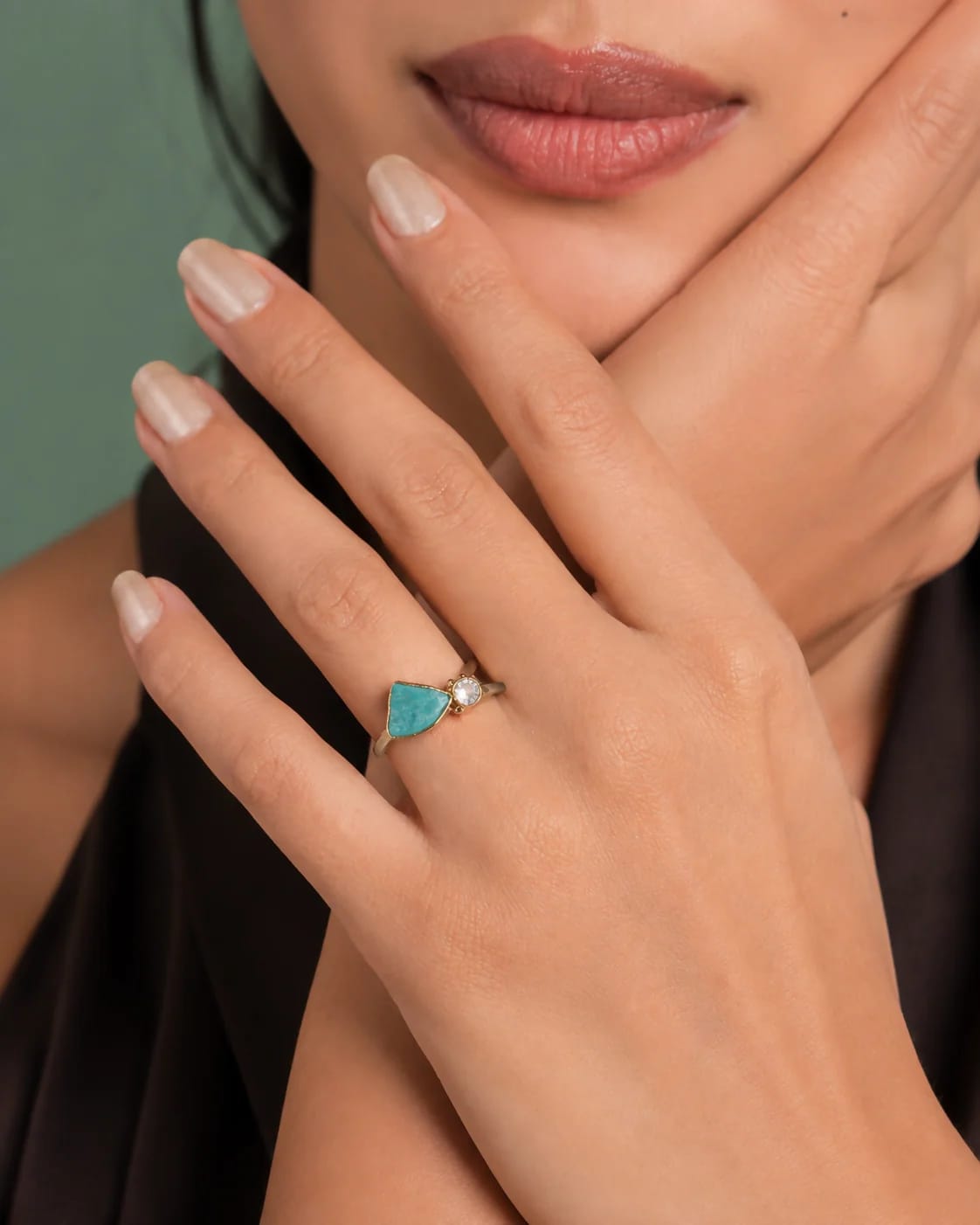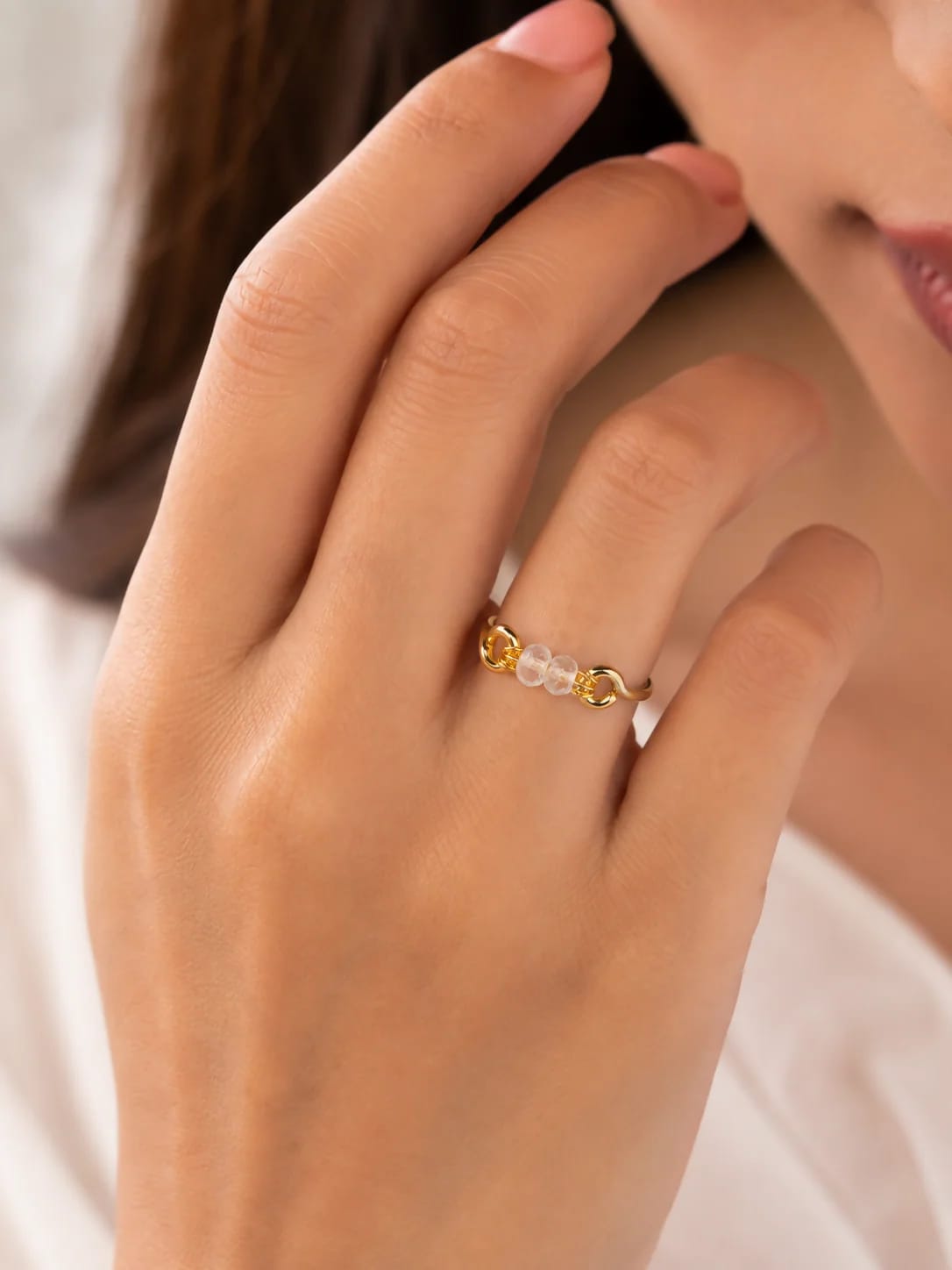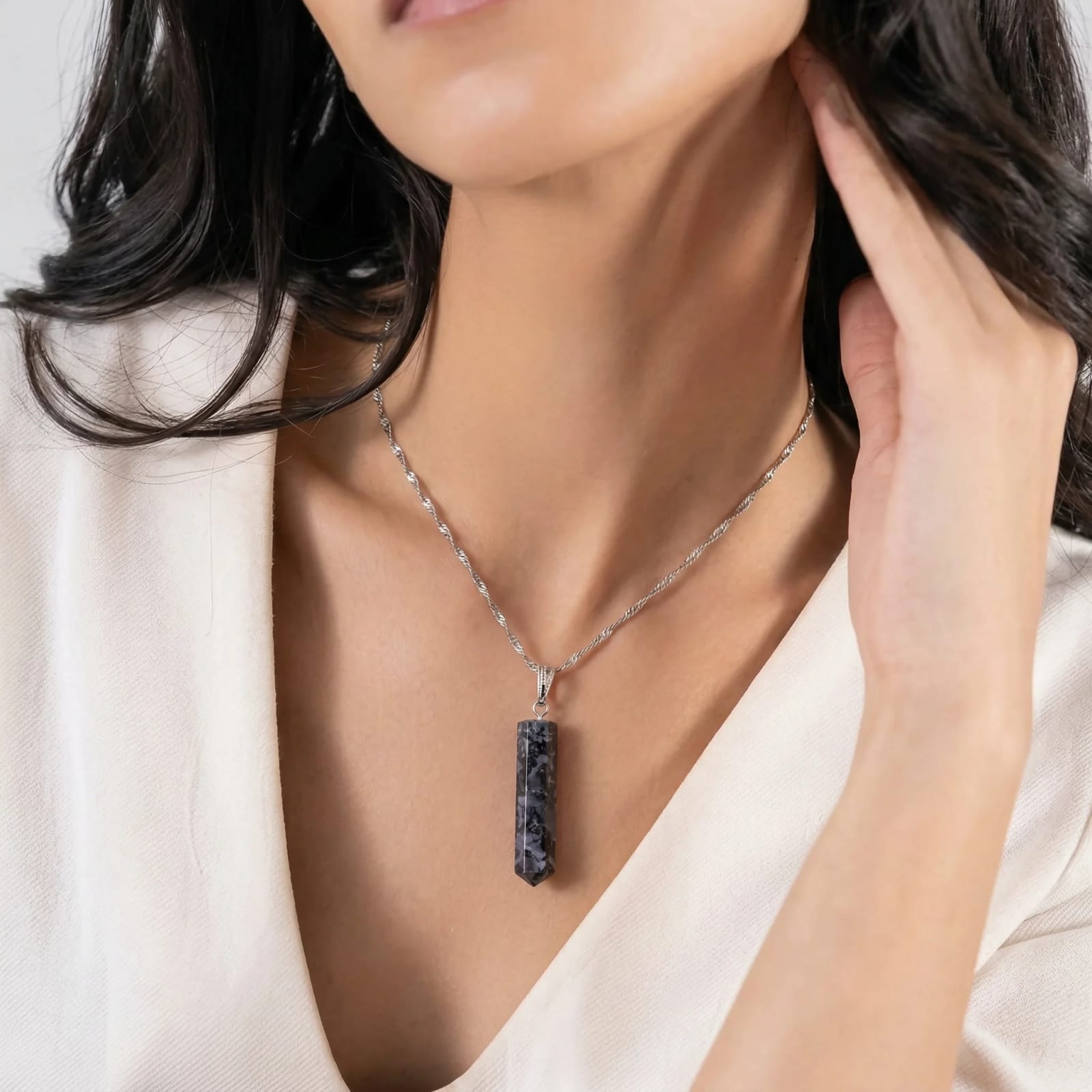
How to Style Jewellery with Indian Outfits: A Complete Guide to Sarees, Kurtas and Festive Wear
Indian fashion is known for its beautiful fabrics, intricate designs, vibrant colours and traditional silhouettes. From elegant sarees and comfortable kurtas to festive anarkalis and contemporary ethnic dresses, Indian outfits offer endless styling possibilities. Jewellery plays an important role in completing these looks, adding personality, elegance and a touch of individuality to every outfit.
Choosing the right jewellery is not always about wearing the most elaborate pieces. Sometimes, a simple pendant, a pair of delicate earrings or a subtle bracelet can create a beautifully balanced look. The key is understanding how jewellery complements the outfit's neckline, fabric, colour, design and occasion.
Whether dressing for everyday wear, a festive celebration, a family gathering or a wedding, thoughtful jewellery styling can make an outfit feel more complete.
Understanding the Relationship Between Jewellery and Indian Outfits
Indian outfits often feature decorative elements such as embroidery, zari work, prints, borders and embellishments. These details already create visual interest, which means jewellery should complement the clothing rather than compete with it.
For example, a heavily embroidered saree may look elegant with simple earrings and a minimal necklace, while a plain cotton kurta can become more interesting with colourful gemstone jewellery or statement earrings.
Before selecting jewellery, consider four important factors:
Neckline: Determines whether a necklace, pendant or earrings should be the main focus.
Fabric: Lightweight fabrics generally pair well with delicate jewellery, while richer fabrics can support more detailed accessories.
Colour: Jewellery colours can complement, contrast or highlight a particular shade in the outfit.
Occasion: Everyday outfits usually require comfortable and understated pieces, while weddings and celebrations allow for more elaborate styling.
Understanding these elements makes it easier to create combinations that feel intentional and harmonious.
Jewellery Styling for Sarees
Sarees are one of the most versatile Indian outfits because they can be styled for casual occasions, office wear, festive celebrations and weddings. The jewellery selection can completely change the overall appearance of a saree.
Styling Jewellery with Cotton and Handloom Sarees
Cotton, linen and handloom sarees often have a natural, understated beauty. Lightweight jewellery can complement their texture without making the outfit appear overly decorated.
Small hoops, silver earrings, delicate pendants, slim bracelets and minimal rings are excellent options for everyday saree styling. If the saree has a bold border or printed design, choosing simple jewellery helps maintain visual balance.
A plain handloom saree can also be paired with colourful gemstone earrings or a pendant to introduce a subtle accent.
Styling Jewellery with Silk and Festive Sarees
Silk sarees, brocade sarees and festive designs often have richer colours and more elaborate detailing. These outfits can accommodate jewellery with more texture, intricate motifs and decorative stones.
Statement earrings, traditional pendants and layered jewellery can work beautifully with festive sarees. However, it is helpful to choose one focal accessory. If the earrings are elaborate, a simple necklace may be more appropriate.
Gold-plated jewellery with ruby, green or white stones can complement traditional saree colours such as red, maroon, green, mustard and royal blue.
Jewellery Styling for Kurtas
Kurtas are among the most versatile pieces of Indian clothing, making them suitable for daily wear, work, casual outings and festive occasions.
Jewellery for Plain Kurtas
Plain kurtas provide an excellent opportunity to experiment with jewellery. A colourful gemstone pendant, statement earrings or a bracelet can add character to a simple outfit.
For neutral-coloured kurtas, jewellery featuring ruby, green, blue or white stones can create an attractive contrast. Gold-plated jewellery can add warmth to beige, cream, mustard and earthy shades.
A simple kurta paired with statement earrings and a delicate ring can create a polished look without requiring an elaborate jewellery set.
Jewellery for Embroidered Kurtas
When a kurta features embroidery around the neckline, it is generally better to avoid heavy necklaces that compete with the decorative details.
Instead, focus on earrings, rings or bracelets. If the embroidery is concentrated on the sleeves, statement bracelets can complement the outfit while maintaining balance.
The aim is to highlight the clothing's craftsmanship while using jewellery to add a finishing touch.
Jewellery Styling for Indian Dresses and Anarkalis
Indian dresses and anarkalis often feature flowing silhouettes, decorative necklines and intricate patterns. Jewellery should complement the structure of the outfit.
For dresses with open necklines, pendants and delicate necklaces can help frame the neckline beautifully. High-neck dresses generally look better with statement earrings or smaller accessories around the neck.
Anarkalis with detailed embroidery can be paired with earrings, bangles or a subtle pendant, depending on the design. For simpler anarkalis, more decorative jewellery can introduce colour and visual interest.
When styling asymmetrical or contemporary Indian dresses, keeping jewellery minimal can help maintain the outfit's modern appearance.
Choosing the Right Jewellery Colours
Colour coordination is one of the easiest ways to create a cohesive outfit.
Gold-plated jewellery often complements warm shades such as red, maroon, rust, mustard, orange and cream. These combinations can create a traditional and rich appearance, particularly with festive Indian clothing.
Silver jewellery can work beautifully with cooler colours such as blue, green, purple, white and black. It can also add a contemporary touch to cotton sarees and casual kurtas.
Gemstone jewellery provides another way to introduce colour. Ruby stones can complement red and pink outfits, green stones can work with earthy and festive shades, and white stones can add subtle elegance to almost any colour palette.
However, jewellery does not always need to match the outfit exactly. Contrasting colours can create a more distinctive styling choice.
Traditional Jewellery for Weddings and Festive Occasions
Indian weddings and festivals offer opportunities to explore more elaborate jewellery designs. Traditional accessories can add cultural significance and visual detail to wedding outfits.
Personalised Kaleere for Bridal Celebrations
Kaleere are an important part of many bridal celebrations and are often associated with traditional wedding rituals. Personalised designs can add an individual touch to bridal accessories while making them more meaningful.
For brides looking for distinctive wedding accessories, flower cap hand-painted personalised kaleere can be considered for a colourful and decorative bridal look.
These accessories can complement bridal outfits and contribute to the overall wedding styling.
Bridal Waist Belts for Traditional Outfits
A waist belt can help define the silhouette of a saree or lehenga while adding a traditional decorative element.
For wedding sarees, lehengas and festive outfits, a gold-plated Lakshmi peacock bridal waist belt with ruby and white stones can serve as a statement accessory.
Waist belts are particularly suitable for outfits where the waist area is visible and the fabric allows the accessory to sit comfortably.
Maang Tikkas for Traditional Bridal Styling
Maang tikkas are traditional forehead accessories that can complete bridal and festive looks. They are often styled with sarees, lehengas and traditional wedding outfits.
A traditional gold-plated peacock nakshi maang tikka with ruby and green stones can add decorative detail to traditional bridal styling.
When wearing a maang tikka, consider balancing the remaining jewellery according to the outfit. If the forehead accessory is detailed, earrings and necklaces can be selected to complement rather than overpower it.
How to Create a Balanced Jewellery Look
One of the most useful styling principles is to create a clear focal point.
Instead of wearing multiple statement pieces together, select one accessory that stands out. This could be a pendant, statement earrings, a bracelet, a maang tikka or a traditional waist belt.
The remaining jewellery should support the main piece.
For example:
Statement earrings with a simple necklace.
A detailed pendant with minimal earrings.
A traditional maang tikka with balanced earrings.
A decorative waist belt with understated accessories.
Colourful gemstone jewellery with a neutral outfit.
This approach allows each accessory to be appreciated while keeping the overall appearance elegant.
Everyday Jewellery Versus Festive Jewellery
Jewellery selection also depends on how frequently the outfit will be worn and the environment in which it will be used.
For everyday wear, lightweight earrings, minimal pendants, small rings and comfortable bracelets are practical options. Jewellery should be easy to wear and should not interfere with daily activities.
For festive occasions, more decorative pieces can be introduced. Gemstone details, traditional motifs, layered designs and statement accessories can complement richer outfits.
For weddings, jewellery can be selected according to the outfit, ceremony and overall bridal styling. Traditional accessories such as kaleere, waist belts and maang tikkas can help create a more distinctive look.
Tips for Maintaining Your Jewellery
Proper jewellery care can help preserve its appearance and make it suitable for repeated styling.
Avoid exposing jewellery to perfumes, cosmetics and harsh chemicals.
Remove jewellery before swimming, bathing or exercising.
Wipe pieces gently with a soft, dry cloth after wearing.
Store jewellery separately to reduce scratches and tangling.
Keep jewellery in a dry place away from direct sunlight and moisture.
These simple practices can help maintain the finish and appearance of jewellery over time.
Conclusion
Styling jewellery with Indian outfits is about finding the right balance between clothing, accessories and personal style. Sarees, kurtas, anarkalis and Indian dresses each offer different opportunities for jewellery styling, depending on their neckline, fabric, colour and occasion.
Lightweight pieces can complement everyday outfits, while statement jewellery can bring festive and bridal looks together. Traditional accessories such as personalised kaleere, decorative waist belts and maang tikkas can add distinctive details to wedding styling.
The most effective approach is to choose jewellery that enhances the outfit while allowing each element to stand out naturally.
Explore more inspiration through the complete jewellery styling guide for Indian outfits and discover jewellery designs for everyday, festive and traditional styling at Jhauri.