The question “how long does gold plated jewellery last?” sounds as though it should have a fixed answer. In reality, the finish is influenced by the piece and the person wearing it. Gold plating is a surface layer that can gradually become thinner with use. Plating thickness, base metal, design, frequency of wear, friction and environment all make a difference.
The Everyday Reasons a Finish Changes
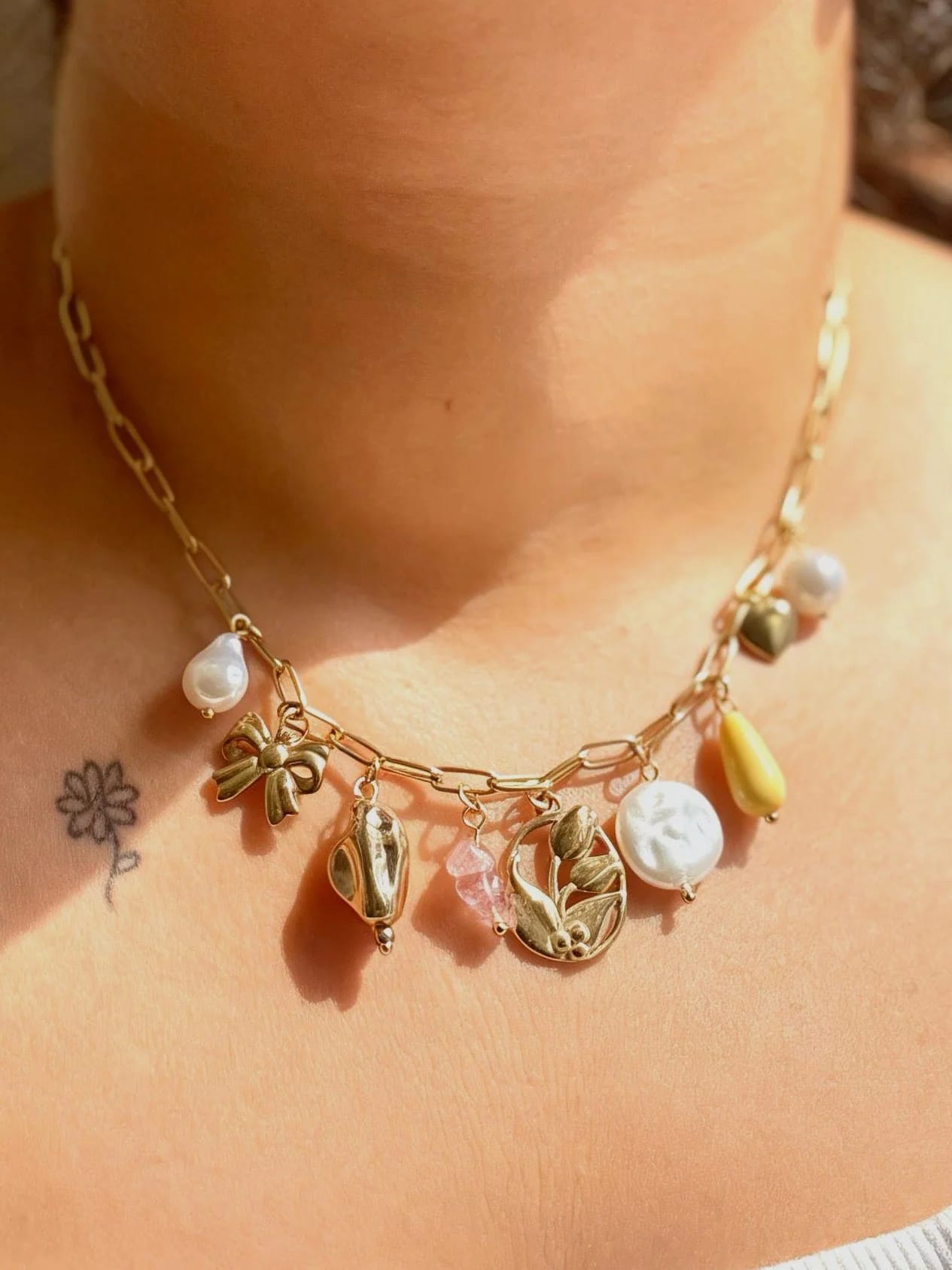
Rings touch fingers, desks, bags and hard surfaces throughout the day. Bracelets rub against sleeves and tables. Necklaces meet skin, hair and clothing. Water and products—including soap, sanitiser, perfume, lotions, chlorine, salt water and cleaning solutions—may dull the surface or reveal more of the underlying metal. This is normal wear for a surface finish and is not automatically a defect.
Gold-Plated Ring Care Deserves Attention
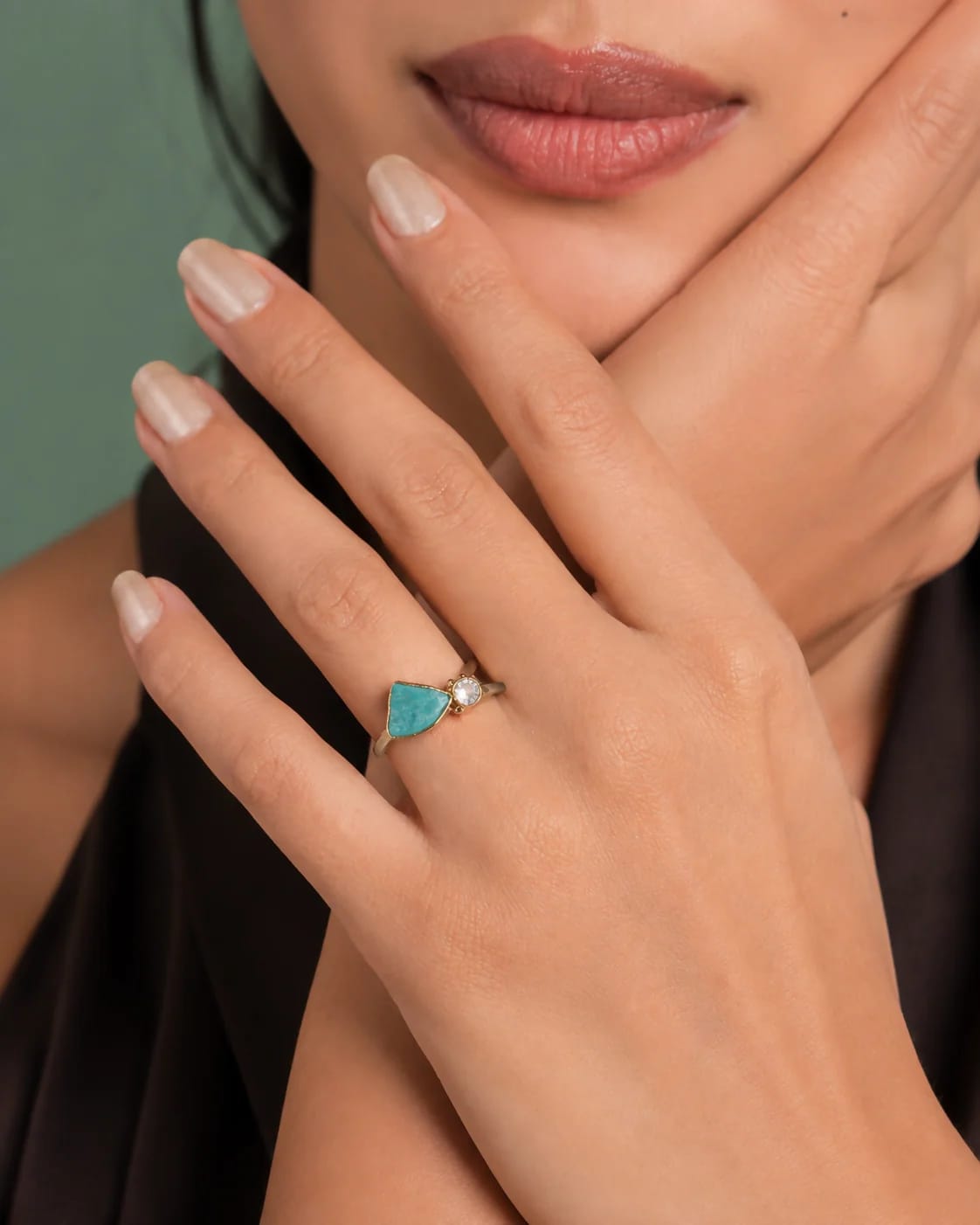
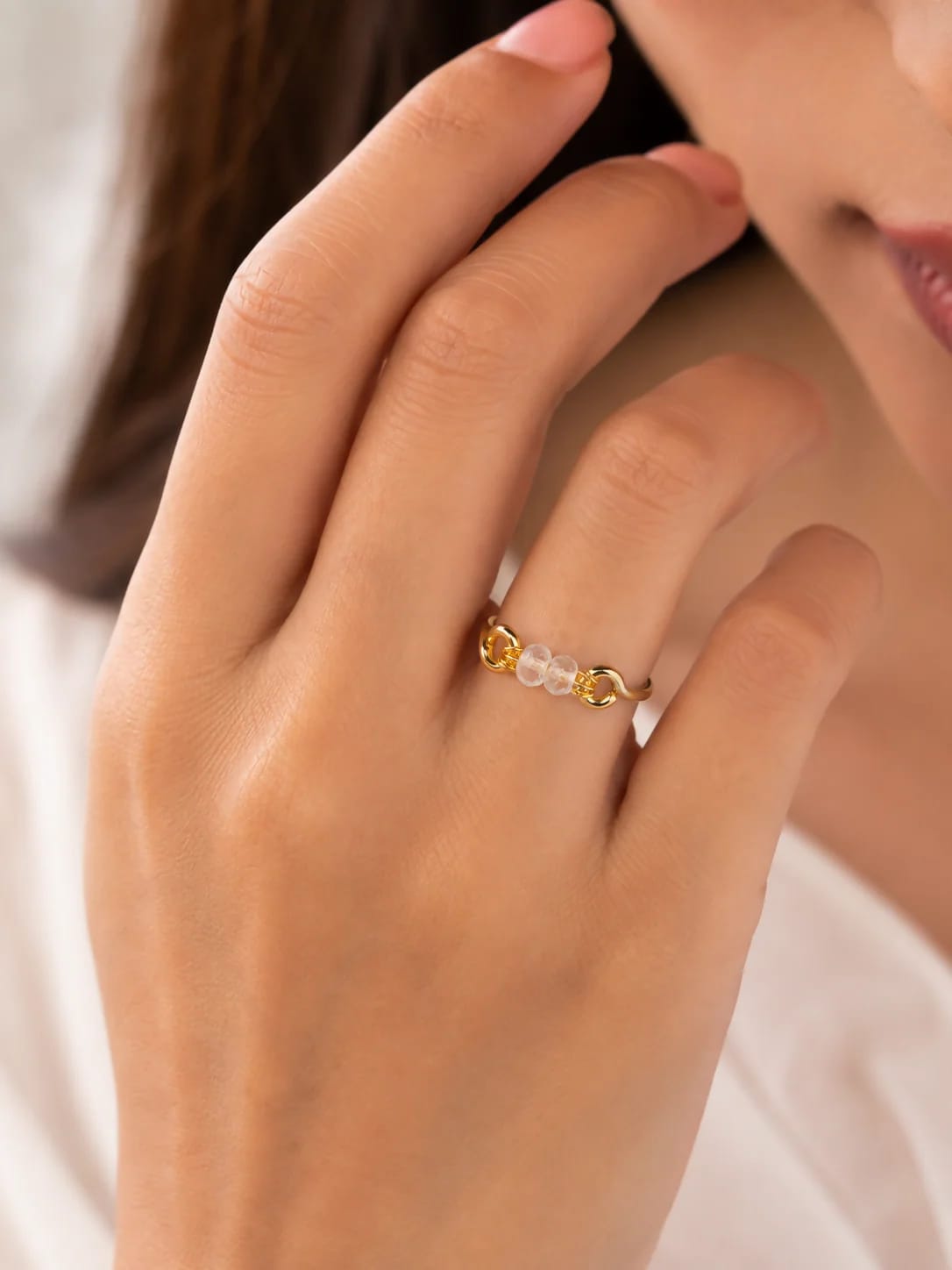
Hands are washed often and exposed to moisturiser, sanitiser and other products. Remove rings before wet tasks, showering, swimming, cleaning and exercise. Dry hands completely before wearing them again.
A Simple Routine for Better Durability
Apply perfume, sunscreen, lotion and makeup first.
Remove jewellery before water or exercise.
Wipe it with a soft dry cloth after wearing.
Store pieces separately in a pouch or box.
Avoid abrasive cleaners and silver polishing cloths.
Keep plated pieces away from chlorine, salt water and harsh chemicals.
Can Worn Plating Be Repaired?
Sometimes a jeweller or brand partner can re-plate a suitable item. Cost and results depend on the metal, stones, condition and maker. Treat re-plating as a possible repair—not a guaranteed service.
The best expectation is “finish longevity depends on use.” Choose a design that suits your routine and check its care instructions.
Continue to the complete gold-plated jewellery guide.
Explore Jhauri, the Blushing Tulip set, or Astria heart drop earrings.
Metadata:
Topics (up to 5): Jewellery; Fashion; Lifestyle; Product Care; Accessories