Instagram's "AI creator" label is now called "AI-generated profile," and it comes with a stick: accounts that feature an AI-generated person without the label may have their reach limited. If you are a regular creator who uses AI to clean up photos or write captions, relax, this does not apply to you. If you run a virtual influencer, an AI mascot or a "faceless" brand account fronted by a generated person, it very much does.
Here is who needs the label, what happens if you skip it, and how to check whether your account has already been flagged.
What Instagram changed
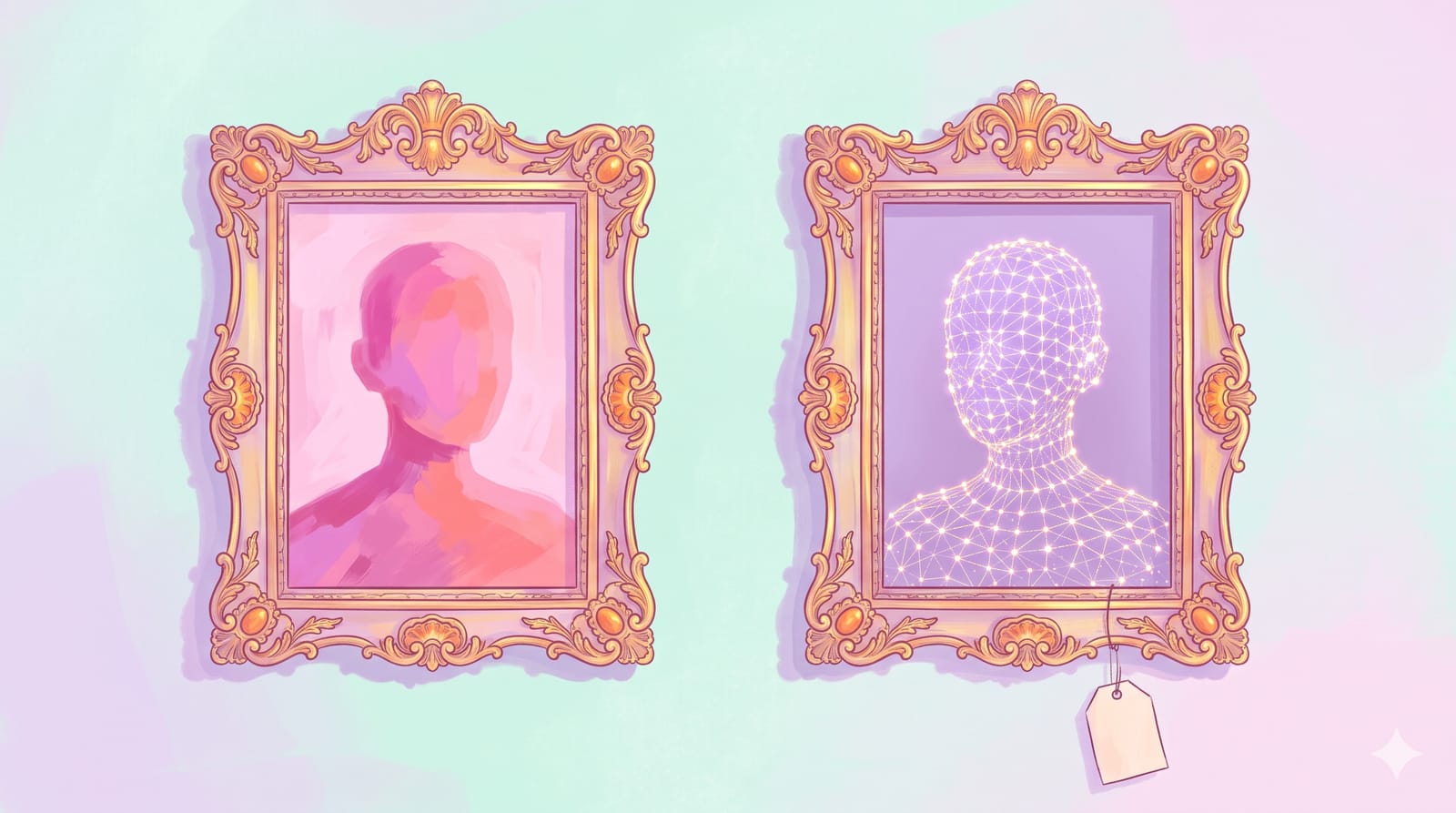
Instagram announced the change on its creators blog on 31 August 2026, as TechCrunch reported. The old "AI creator" label was a broad, optional tag for profiles that posted a lot of AI content. The new "AI-generated profile" label is narrower and clearer: it tells people that the person featured on the profile was generated, or substantially created, with AI.
Instagram's reasoning, from its statement: people "want to know when a profile features an AI-generated person." An Instagram spokesperson told Engadget that users "don't like coming across a profile that seems human" and then discovering it is not.
That is a fair complaint. Over the past year, reporting has turned up networks of AI-generated influencers promoting apps and supplements while looking like real people. This is Instagram trying to make that a disclosed choice rather than a trick.
Who needs the AI-generated profile label
The test is simple: is the person on your profile real?
You need the label if your account's main face or persona is AI-generated. That covers:
Virtual influencers and AI characters.
Brand accounts fronted by a generated "spokesperson."
Faceless pages that post a consistent AI-generated person as if they were the creator.
You do not need it if you only use AI as a tool in your process. TechCrunch's report lists editing photos, polishing captions and making graphics as uses that do not require the label, and Social Samosa quotes the same line: "Those who only use AI tools in their creative process do not need the label."
The grey zone is the creator who is real but posts heavily AI-altered images of themselves. The policy is about whether the person is generated, not whether a photo was edited. If it is clearly you, just retouched, this label is not the one you are being asked about. Individual posts can still carry their own AI disclosures where relevant.
What happens if you do not label
According to the reports, profiles that Instagram's systems detect as featuring AI-generated people without the label may have their reach limited. The scope is not fully spelled out. Social Samosa describes it in terms of eligibility for recommendations, which is where most growth for non-followers comes from.
There is some uncertainty about timing too. Engadget noted a mismatch: the announcement said unlabelled accounts would have their reach reduced, while a spokesperson said they "may soon see limits." Either way, the direction is clear.
The good news for anyone who is upfront: profiles that add the label proactively are not penalised for it. Labelling an AI persona does not, by itself, reduce reach.
How to check and fix your account
Do this today if there is any AI-generated person on your account:
Open Account Status in your profile settings. Social Samosa reports that affected creators get a notification and can check there whether they are still eligible for recommendations.
If you used the old "AI creator" label, you will see the new name. Review it, and confirm or remove it based on whether your profile actually features an AI-generated person.
If you need the label and do not have it, add it from your profile settings. The reports say this restores eligibility.
If you think you were flagged by mistake, appeal through Account Status. Instagram has acknowledged its detection systems can make errors.
Should brands still use AI personas?
Here is my sceptical take. An AI mascot can be a genuinely good creative choice. It is consistent, it never has a bad hair day, and it can post in any setting. But the main reason many accounts used generated humans was that audiences assumed they were real. Take that assumption away and the value proposition shrinks to the creative idea itself.
So ask the honest question before you build a strategy around one: would people still follow this account if they knew, from the first second, that the person is not real? If the answer is yes, because the character is funny, useful or distinctive, label it and get on with it. If the answer is no, the label is not your problem. The concept is.
For everyone else, keep using AI for what it is good at: trimming clips, drafting caption options, cleaning up audio. Just put a real person, or an honestly labelled character, at the centre of the account. That is now the version Instagram is willing to recommend.