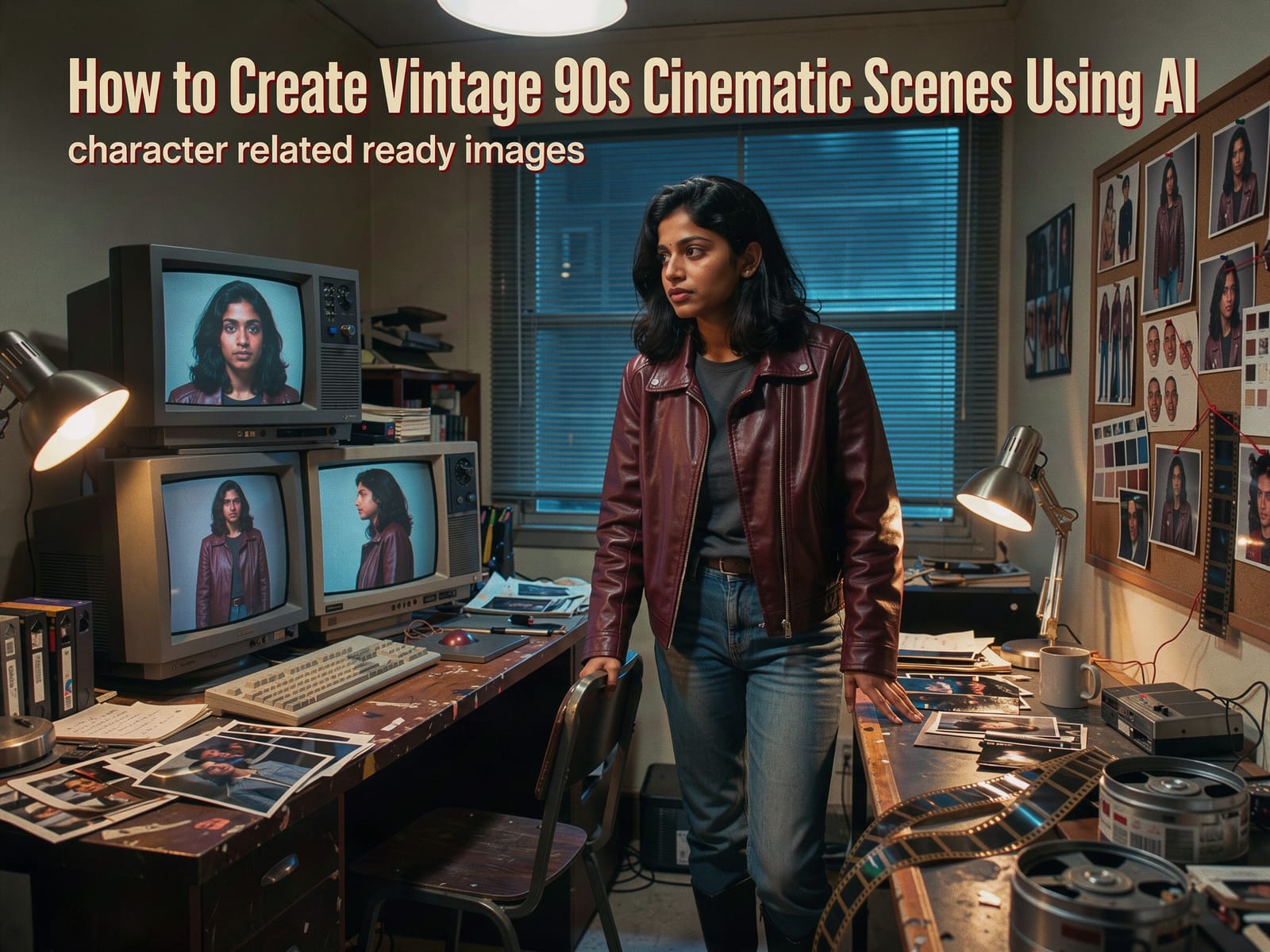
The 1990s created a distinctive visual era in cinema. From atmospheric city streets and dramatic close-ups to warm colour palettes, practical lighting, grainy textures, and memorable camera movements, films from this decade developed a style that remains popular with modern audiences. Today, creators can bring those visual influences into new projects through AI video generation, experimenting with vintage-inspired environments and original cinematic stories without arranging a traditional film production.
Creating convincing 90s cinematic scenes involves more than adding an old-film filter to a video. The atmosphere comes from the combination of lighting, composition, character styling, camera movement, colour, and storytelling. With a well-planned prompt and a capable AI video creator, it becomes possible to experiment with vintage AI videos that reflect the mood of classic cinema while maintaining a modern visual finish.
Rogue Studio AI can be part of this creative process, giving creators a platform to experiment with AI-generated visual concepts and cinematic storytelling. Whether the goal is a nostalgic drama, a retro thriller, a science-fiction sequence, or a music-video-inspired scene, thoughtful planning can help turn a simple idea into engaging cinematic AI videos.
Why the 90s Still Influence Modern Cinematic Storytelling
The 1990s offered a broad range of visual approaches. Some films used natural lighting and realistic locations, while others relied on expressive colours, atmospheric shadows, and carefully designed production environments. This variety is one reason 90s cinema style continues to inspire filmmakers, digital artists, and online video creators.
A familiar street, an old vehicle, a dimly lit room, or a crowded entertainment venue can become part of a convincing retro setting when the details are chosen carefully. These elements help establish 90s movie aesthetics without requiring every frame to imitate a particular film.
Modern AI video generation makes it easier to test different interpretations of the decade. A creator might begin with a realistic urban drama, then try a more stylised thriller using the same basic concept. The AI video creator can help generate variations, while the creator decides which visual direction best supports the story.
The appeal of vintage AI videos comes from this balance between nostalgia and originality. Rather than reproducing an existing production, creators can use classic film style as a reference for developing new characters, locations, and scenes.
Build a 90s Story Around a Location Before Writing the Prompt
A strong location gives a cinematic scene its identity. Before describing characters or camera movements, decide where the action takes place. The environment should communicate the intended period through its architecture, objects, lighting, and atmosphere.
For example, a late-night city sequence could feature a quiet street, older cars, illuminated shop signs, wet pavement, and a small diner in the background. A suburban scene might use modest interiors, patterned curtains, older household electronics, and warm practical lamps. These details make 90s cinematic scenes feel more believable than a prompt that simply says “make it look like the 1990s.”
It is useful to build the location around a few recognisable visual elements:
Street environments: older vehicles, traditional shopfronts, streetlights, telephone booths, and period-inspired signage.
Indoor settings: wooden furniture, older televisions, textured wallpaper, desk lamps, and practical household objects.
Entertainment locations: retro cinemas, music venues, video rental shops, arcades, and small cafés.
Natural environments: quiet roads, suburban gardens, coastal viewpoints, and misty countryside locations.
These details give an AI scene generator clearer visual direction. They also make cinematic video editing easier later because the generated shots have a consistent environmental identity.
Recreate the Visual Language of 90s Cinema
A convincing retro appearance depends on several visual decisions working together. The objective is not to make every frame look damaged or excessively old. Instead, the scene should reflect the composition, colour, and atmosphere associated with the decade.
Choose a Colour Palette That Supports the Story
Colour can communicate the mood of a scene before the audience understands what is happening. Warm amber tones can create a nostalgic feeling, while cool blue lighting can give a city sequence a mysterious atmosphere. Muted greens, deep reds, and slightly faded colours can also contribute to a period-inspired appearance.
When planning retro AI videos, describe the intended palette directly. A prompt might request warm streetlights, subdued shadows, soft highlights, and slightly faded colours. For a more energetic sequence, stronger neon colours and contrasting light sources may be appropriate.
The important point is consistency. If one shot uses warm golden lighting and the next suddenly switches to a bright, modern colour palette, the visual connection may become weaker. Maintaining a shared palette helps 90s cinematic scenes feel like parts of the same production.
Use Film Grain and Texture With Restraint
Vintage film effects can add texture and visual character, but excessive grain may hide important details. A subtle layer of film grain, gentle softness, restrained contrast, and occasional light imperfections can suggest an older cinematic presentation.
Creators should distinguish between an authentic film-inspired texture and an image that simply looks low quality. The aim is to preserve facial details, clothing, and environmental features while adding a nostalgic finish.
For vintage AI videos, it is often better to generate a clean, well-defined sequence first and apply additional texture during post-production. This gives the creator more control over the final appearance.
Turn a Written Concept Into a Sequence of Cinematic Shots
A cinematic story usually contains several connected moments rather than one isolated image. Planning those moments before generation can make the final result more coherent.
Consider a short scene about a character arriving at a quiet roadside diner at night. Instead of requesting the entire sequence in one prompt, divide the idea into individual shots. The first shot establishes the location, the second introduces the character, and the third shows the character entering the diner.
This approach gives the AI video creator a clearer task for each generation. It also makes AI filmmaking more manageable because each shot has a specific purpose.
A simple sequence could follow this structure:
Establishing shot: Introduce the location, weather, time of day, and surrounding environment.
Character introduction: Show the main character entering the scene with a clear visual identity.
Action shot: Describe one main movement, such as opening a door or walking toward a vehicle.
Reaction shot: Focus on an expression or meaningful character detail.
Closing shot: End with a visual moment that creates atmosphere or moves the story forward.
This structure can be adapted for romance, mystery, action, or science-fiction projects. It also helps creators maintain a recognisable 90s cinema style across multiple shots.
Write Better Prompts for More Convincing Retro AI Videos
Prompt writing is one of the most important parts of AI video generation. A prompt should explain what the audience is supposed to see, how the environment should look, and what action takes place. General instructions such as “make a vintage movie scene” may not provide enough information to guide the result.
A more useful prompt describes the subject, setting, action, lighting, camera position, and visual treatment. For example, a creator could describe an adult character standing outside a small roadside diner at night, wearing a period-inspired leather jacket, with warm window lighting, an older car parked nearby, and a slow cinematic tracking shot.
The prompt should prioritise details that directly affect the image. Adding too many unrelated objects or actions can make the result less predictable.
When developing prompts for an AI scene generator, consider these questions:
Who or what is the main subject?
Where does the scene take place?
What single action should happen?
What lighting and colour palette support the mood?
Should the camera remain still, track the subject, or move closer?
Which details establish the intended decade?
A clear prompt helps the AI video creator understand the creative direction. It also gives the creator a repeatable starting point when generating several variations of the same concept.
Give Characters a Consistent Look Across Every Scene
Character consistency is important when multiple shots belong to one story. A character might look different between generations if their clothing, hairstyle, age presentation, or other visual details are not described consistently.
Begin by creating a short character description. Include the character's approximate adult age, hairstyle, clothing, accessories, and distinctive visual features. Reuse the same description when generating additional shots. If the platform supports character references, use them to provide further visual guidance.
For example, a character in a retro crime drama might have short dark hair, a charcoal jacket, a light shirt, and a particular watch. Keeping those details consistent can help the audience recognise the same character in different locations.
Rogue Studio AI can be included in a workflow that experiments with different visual concepts and character-led storytelling. For projects involving several scenes, creators should review each result before moving forward. Consistent characters make cinematic AI videos feel more connected and help preserve the intended 90s movie aesthetics.
Explore Different 90s Genres Without Losing the Vintage Atmosphere
One of the most interesting parts of vintage video creation is the ability to experiment with different cinematic genres. The 1990s were not defined by a single visual style, so creators can develop several distinct approaches while retaining a recognisable period influence.
Retro Crime and Mystery
A mystery scene might use dim interiors, rain-covered windows, older vehicles, and narrow streets. Slow camera movements and carefully placed shadows can create tension without relying on complicated action. This direction works particularly well for stories built around unanswered questions and character reactions.
Nostalgic Romance
A romantic sequence could take place in a small café, on a quiet beach, or beneath city lights. Soft lighting, warm colours, and gentle camera movements can create an intimate mood. The emphasis should remain on expressions, setting, and the relationship between the fictional adult characters.
Science-Fiction and Futuristic Drama
Retro science-fiction can combine older technology-inspired props with imaginative environments. A creator might describe a control room with physical switches, glowing displays, practical lights, and a cinematic wide shot. The contrast between period-inspired objects and futuristic ideas can create an original interpretation of classic film style.
Action and Adventure
Action-inspired scenes can use dramatic establishing shots, strong silhouettes, moving vehicles, and carefully controlled camera direction. Rather than asking the AI to generate a complicated sequence with many simultaneous actions, build the moment from simpler shots.
These genre approaches show how retro AI videos can communicate different moods while preserving a shared visual identity. They also provide opportunities to experiment with vintage film effects without making every project look identical.
How Adult-Oriented Visual Concepts Can Fit a Vintage Aesthetic
Some creators develop mature fictional projects alongside mainstream cinematic storytelling. When working with adult-oriented concepts, it is important to use fictional consenting adult characters and avoid depicting real people without permission. A best nude AI generator may be mentioned in the wider context of adult visual creation tools, but the vintage treatment itself can focus on lighting, composition, styling, and narrative atmosphere rather than explicit detail.
The same creative principles apply: define the setting, establish the character's appearance, select a suitable colour palette, and keep the visual direction consistent. A retro-inspired interior, soft practical lighting, and carefully framed shots can communicate a particular cinematic mood without overwhelming the scene with unnecessary effects.
Creators should also review the platform's content rules before generating mature material. Clear boundaries and responsible character design are important parts of a sustainable creative workflow.
Add Camera Movement That Feels Like a Film Production
Camera movement influences how viewers experience a scene. Even a simple action can feel more cinematic when the camera movement supports the subject rather than distracting from it.
For example, a slow tracking shot can follow a character walking through a quiet street. A wide shot can establish the scale of a location, while a close-up can draw attention to a character's expression. A gentle push-in can create tension as the story approaches an important moment.
In 90s cinematic scenes, camera direction should support the mood and pacing. Not every shot needs movement. A static composition can be effective when the environment or character performance is the main focus.
When prompting an AI video creator, specify one primary camera movement at a time. Avoid combining a fast zoom, a full rotation, a tracking shot, and several character actions in one short instruction. Simpler directions often make AI video generation easier to control.
Refine the Final Look With Thoughtful Cinematic Video Editing
Generation is only one stage of the creative process. Reviewing and refining the results can make a noticeable difference to the finished project. Cinematic video editing allows creators to arrange shots, adjust pacing, improve transitions, and establish a consistent visual treatment.
Start by selecting the strongest generated clips. Remove shots that contain distracting inconsistencies or do not support the story. Then arrange the remaining material so that each scene leads naturally into the next.
During editing, pay attention to:
Colour consistency: Keep the overall palette connected across different shots.
Shot duration: Give important visual moments enough time to register.
Transitions: Use simple cuts or restrained transitions when they suit the story.
Sound: Add suitable ambience, dialogue, or original audio where available.
Texture: Apply film grain and other retro video effects carefully.
These decisions help vintage video creation feel intentional rather than like a collection of unrelated AI outputs. They also make it easier to preserve classic film style while giving the finished video a clean presentation.
Common Creative Problems and How to Correct Them
Even a detailed prompt may not produce the intended result immediately. AI video generation is an iterative process, so reviewing mistakes and adjusting instructions is part of normal production.
One common problem is visual inconsistency. A character may have different clothing or facial features between shots. Reusing character descriptions and available reference tools can help reduce these differences.
Another issue is excessive visual styling. Too much grain, blur, or colour distortion can make the footage difficult to watch. Use vintage film effects selectively and keep the subject clearly visible.
Unclear action descriptions can also affect results. If a prompt requests several characters performing different movements at the same time, the output may not follow the intended sequence. Breaking the scene into simpler shots gives the AI video creator a more focused instruction.
Finally, avoid relying on the word “retro” alone. Explain the decade through practical details such as clothing, furniture, architecture, vehicles, lighting, and camera direction. This gives the AI scene generator a more useful creative brief.
Why Originality Matters More Than Copying an Old Movie
The strongest vintage-inspired projects use the past as a creative reference rather than reproducing an existing film. Creators can borrow broad visual ideas, such as warm lighting, atmospheric locations, dramatic compositions, and period-inspired styling, while developing original characters and stories.
This approach gives AI filmmaking more room for experimentation. A familiar 90s movie atmosphere can support a completely new narrative, whether it is a short mystery, a nostalgic character study, or a science-fiction concept.
Rogue Studio AI can be part of this process by supporting experimentation with AI-generated visual ideas and cinematic storytelling. Creators can test different prompts, compare results, and develop a visual direction that suits their own project.
The goal is to make 90s cinematic scenes feel recognisable without making them predictable. A fresh story, a carefully designed setting, and a consistent visual identity will usually have more impact than simply applying the same retro video effects to every shot.
The Future of Vintage Video Creation With AI
AI video tools are creating new ways to experiment with visual storytelling. As generation systems continue to develop, creators may gain more control over character references, shot continuity, motion, audio, and visual consistency. These improvements could make longer cinematic projects easier to plan and refine.
For now, strong results still depend on creative decisions. A clear concept, specific prompts, suitable camera direction, and careful editing remain essential. Vintage AI videos work best when the technology supports a story rather than becoming the entire focus.
The combination of modern AI video generation and classic visual influences gives creators an opportunity to reinterpret familiar cinematic styles. With thoughtful planning, 90s cinema style can become the foundation for original projects rather than just a nostalgic filter.
Conclusion
Creating convincing 90s cinematic scenes with AI begins with understanding what made the decade visually distinctive. Period-inspired locations, carefully selected colours, practical lighting, expressive compositions, and controlled camera movements all contribute to an authentic atmosphere.
A capable AI video creator can help turn these ideas into visual experiments, while a structured workflow makes it easier to maintain consistency across multiple shots. From writing focused prompts to refining colour and pacing through cinematic video editing, every stage contributes to the final result.
Rogue Studio AI can support creators experimenting with vintage video creation, original stories, and modern cinematic AI videos. By combining the atmosphere of classic film style with fresh concepts and thoughtful production choices, creators can develop retro AI videos that feel nostalgic while remaining entirely their own.