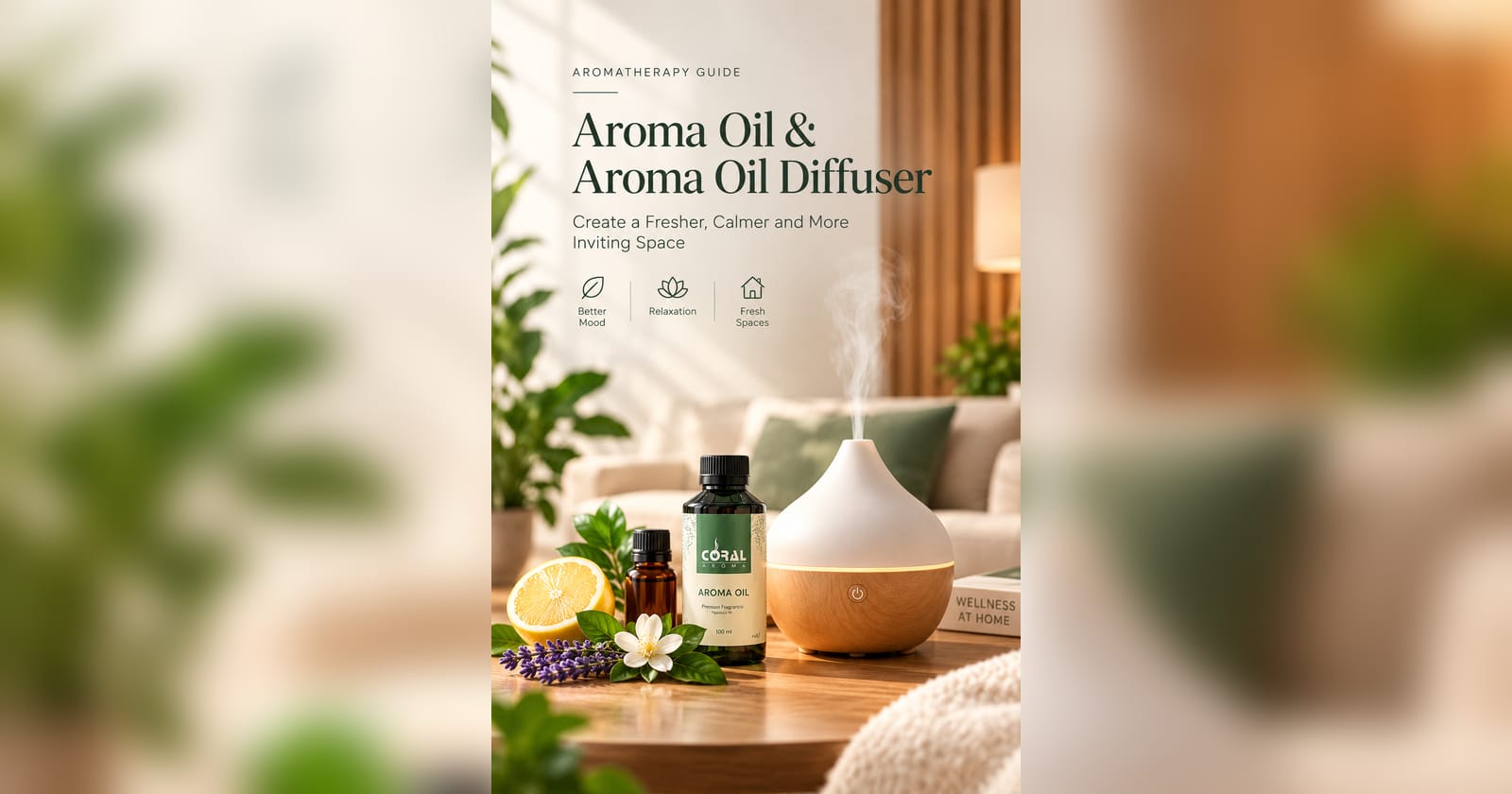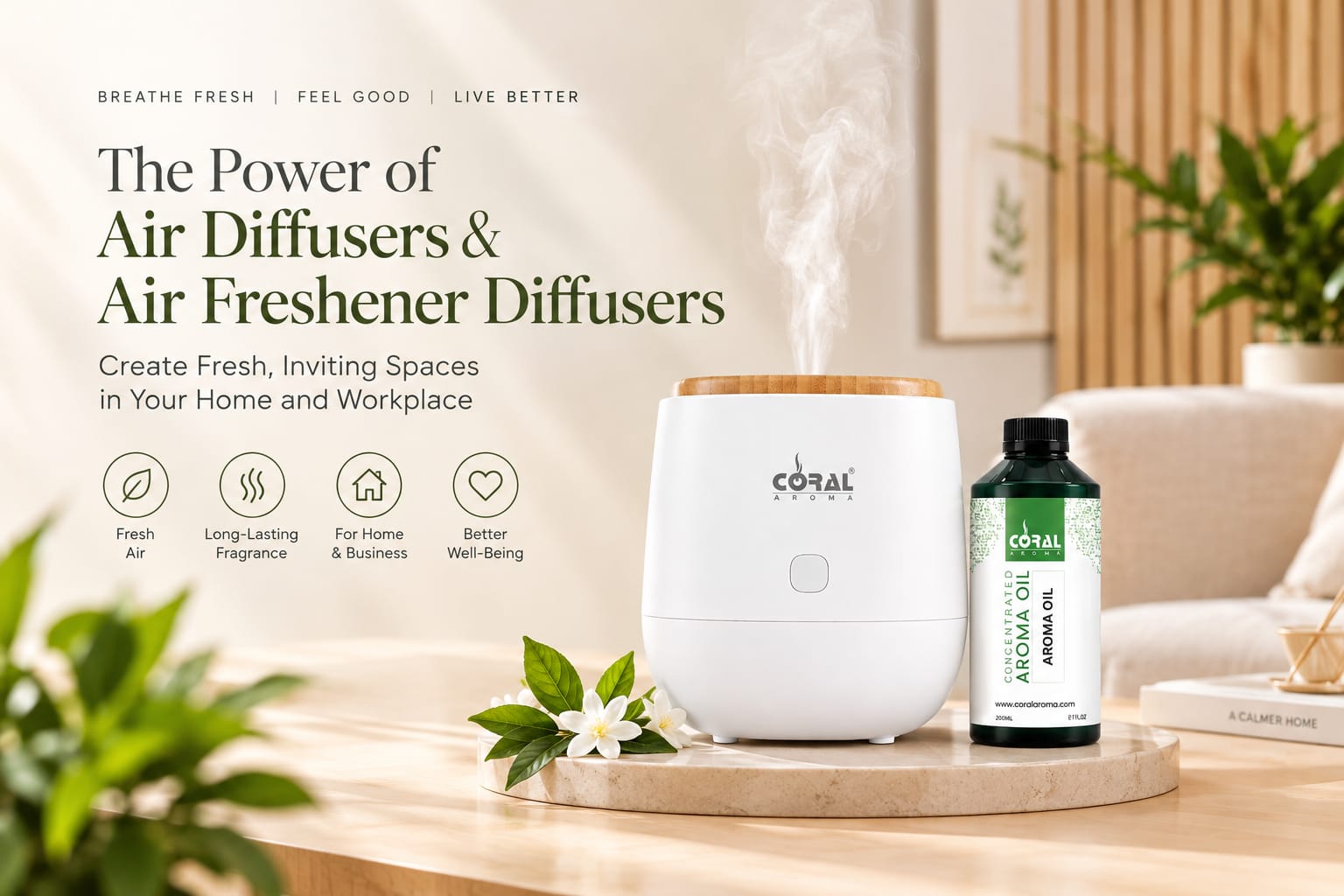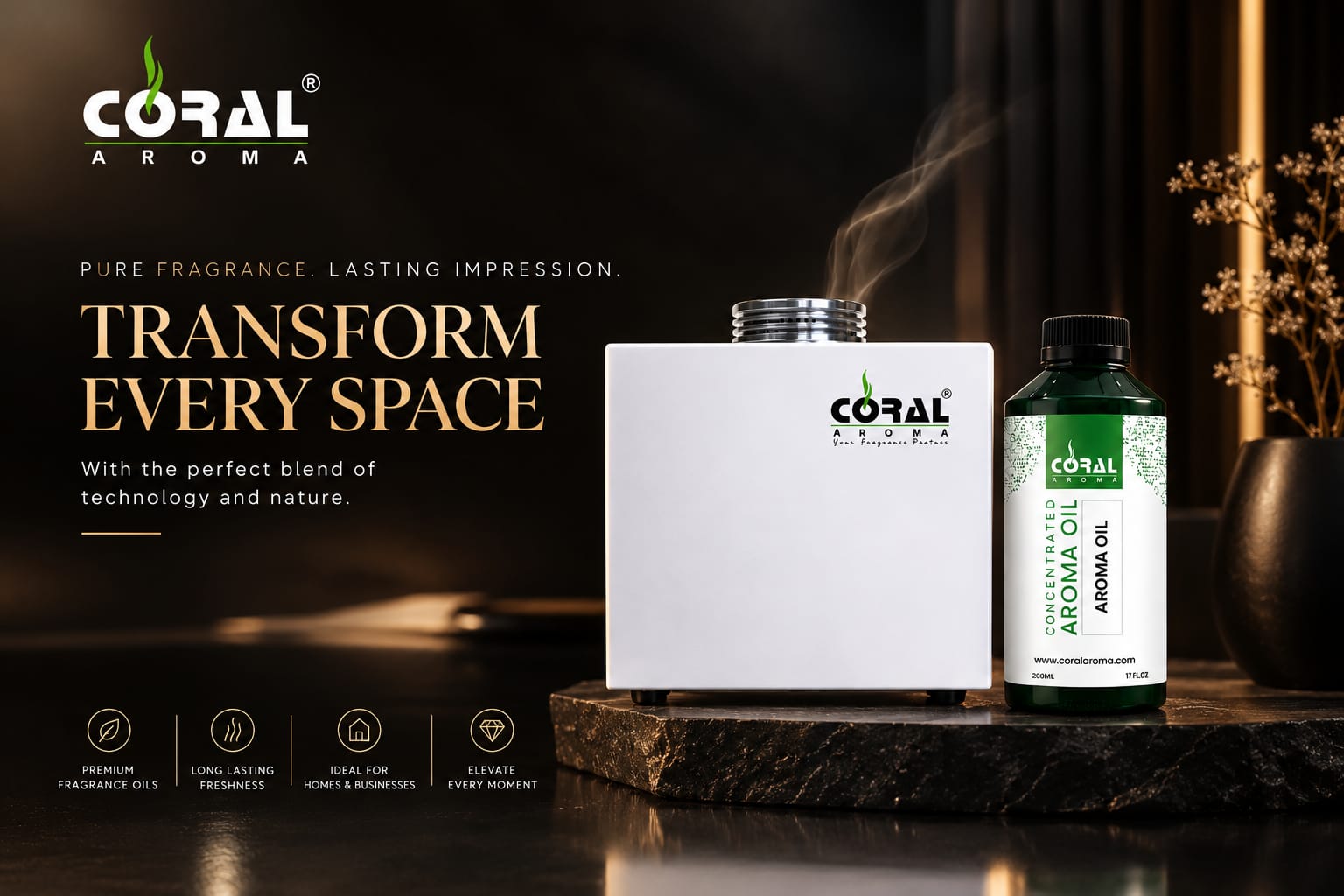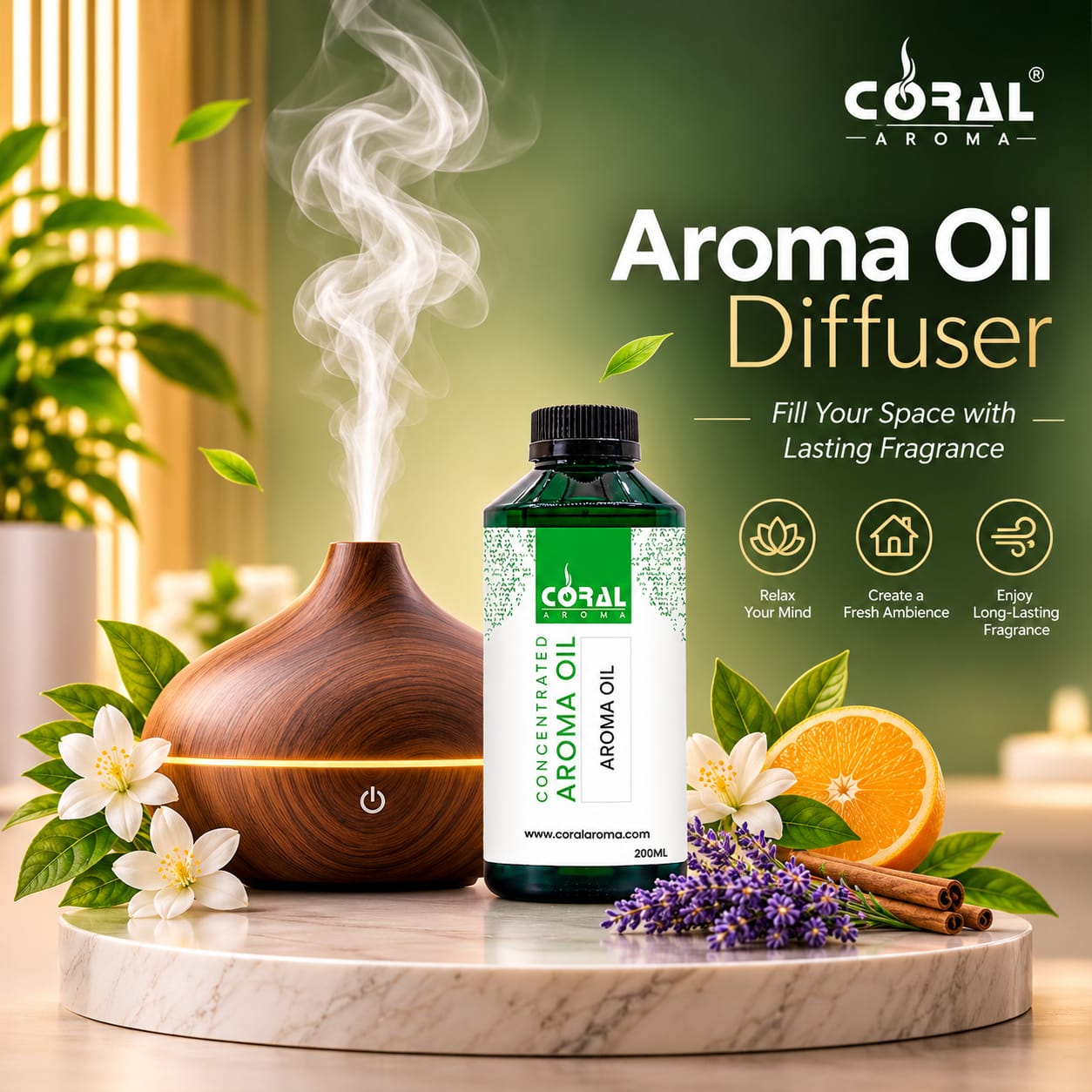
A pleasant indoor atmosphere often depends on choosing the right fragrance and using suitable diffusion equipment. Fragrance oils are widely used in homes, offices, hotels and retail spaces to create welcoming environments. However, selecting a suitable aroma oil is not just about its fragrance. Its composition and compatibility with the equipment can influence scent distribution, performance and maintenance.
Understanding how an aroma oil diffuser works with different fragrance formulations helps users make better choices and enjoy a more consistent scenting experience.
1. Understanding Aroma Oil Compatibility
Compatibility refers to whether a fragrance formulation is suitable for the diffusion technology and materials of a particular machine. Different diffusers are designed to work with specific types of oils, so not every fragrance product is appropriate for every device.
Fragrance formulations can contain different aromatic compounds, carrier ingredients and solvents. Their chemical properties, including viscosity, volatility and solubility, can influence how they behave during diffusion.
For example, thicker formulations may not flow or disperse properly in equipment designed for thinner liquids. Similarly, products containing water or unsuitable carrier ingredients may not work correctly in machines designed for pure oil diffusion.
When choosing an aroma oil diffuser, users should always check the manufacturer's recommended fragrance type and compatibility instructions before adding any product.
2. How Compatibility Affects Diffuser Performance
Using a suitable fragrance formulation can support consistent operation and improve the overall scenting experience. Compatibility can influence several important aspects.
Scent Strength and Quality
Different fragrance ingredients evaporate at different rates. Some produce noticeable initial aromas, while others contribute deeper, longer-lasting scent characteristics. A suitable formulation helps maintain a balanced fragrance experience.
Diffusion Efficiency
The consistency and viscosity of a fragrance formulation can affect how effectively a machine disperses it. Using an unsuitable product may result in irregular output or reduced diffusion efficiency.
Equipment Performance
Incompatible liquids can potentially leave residue, obstruct internal components or affect certain seals and materials. Following the manufacturer's recommendations helps reduce unnecessary maintenance problems.
Overall User Experience
Consistent fragrance distribution is important in commercial environments. Hotels, offices and retail stores benefit from selecting compatible products that support their preferred fragrance intensity and operating requirements.
3. How to Choose Compatible Fragrance Oils
Selecting the right fragrance involves considering both the equipment and the intended environment.
Check the manufacturer's guidelines: Confirm which fragrance formulations are recommended for your particular diffusion technology.
Consider the oil composition: Check whether the product is water-based, alcohol-based or oil-based. Do not assume that all fragrance products are interchangeable.
Evaluate viscosity: A formulation should have suitable flow and dispersion characteristics for the machine.
Choose fragrances for the environment: Light floral and fresh fragrances may suit reception areas, while woody or warm fragrance profiles can complement hotels, lounges and premium retail spaces.
Test fragrance intensity: Start with the recommended operating settings and adjust gradually to achieve a comfortable scent level.
When blending compatible fragrances, consider complementary scent families. Citrus and floral notes can create a fresh profile, while woody and amber notes can produce a warmer atmosphere. Always confirm that the individual formulations are suitable for mixing and for use in your equipment.
4. Common Compatibility Mistakes to Avoid
Some common mistakes can affect fragrance quality and equipment performance.
Using unsuitable liquids: Adding water-based fragrances to a machine designed for oil-only diffusion may cause operational problems.
Mixing incompatible formulations: Different carrier ingredients may not combine properly and can affect fragrance consistency.
Ignoring viscosity: Thick or unsuitable liquids may interfere with the diffusion process.
Overfilling the reservoir: Filling beyond the recommended capacity can create unnecessary operating issues.
Skipping maintenance: Residue and accumulated deposits may affect performance if cleaning instructions are ignored.
Avoiding these mistakes helps support reliable operation and a more consistent fragrance experience.
5. Why Compatibility Matters in UAE Environments
In the UAE, aroma diffusion is used in a variety of environments, including hotels, shopping centres, offices, salons and residential properties. Different spaces have different ventilation conditions, operating hours and fragrance requirements.
For example, a hotel lobby may require consistent fragrance distribution throughout the day, while a home environment may need a lighter and more controlled scent. Selecting suitable fragrance formulations and following equipment guidelines can help businesses and homeowners achieve their desired results.
Conclusion
Fragrance compatibility plays an important role in maintaining consistent scent distribution, efficient operation and equipment reliability. Choosing suitable formulations, understanding their properties and following manufacturer recommendations can help users avoid common problems.
By selecting the right aroma oil and using compatible products in an aroma oil diffuser, users can create a more pleasant indoor atmosphere while supporting reliable long-term performance.