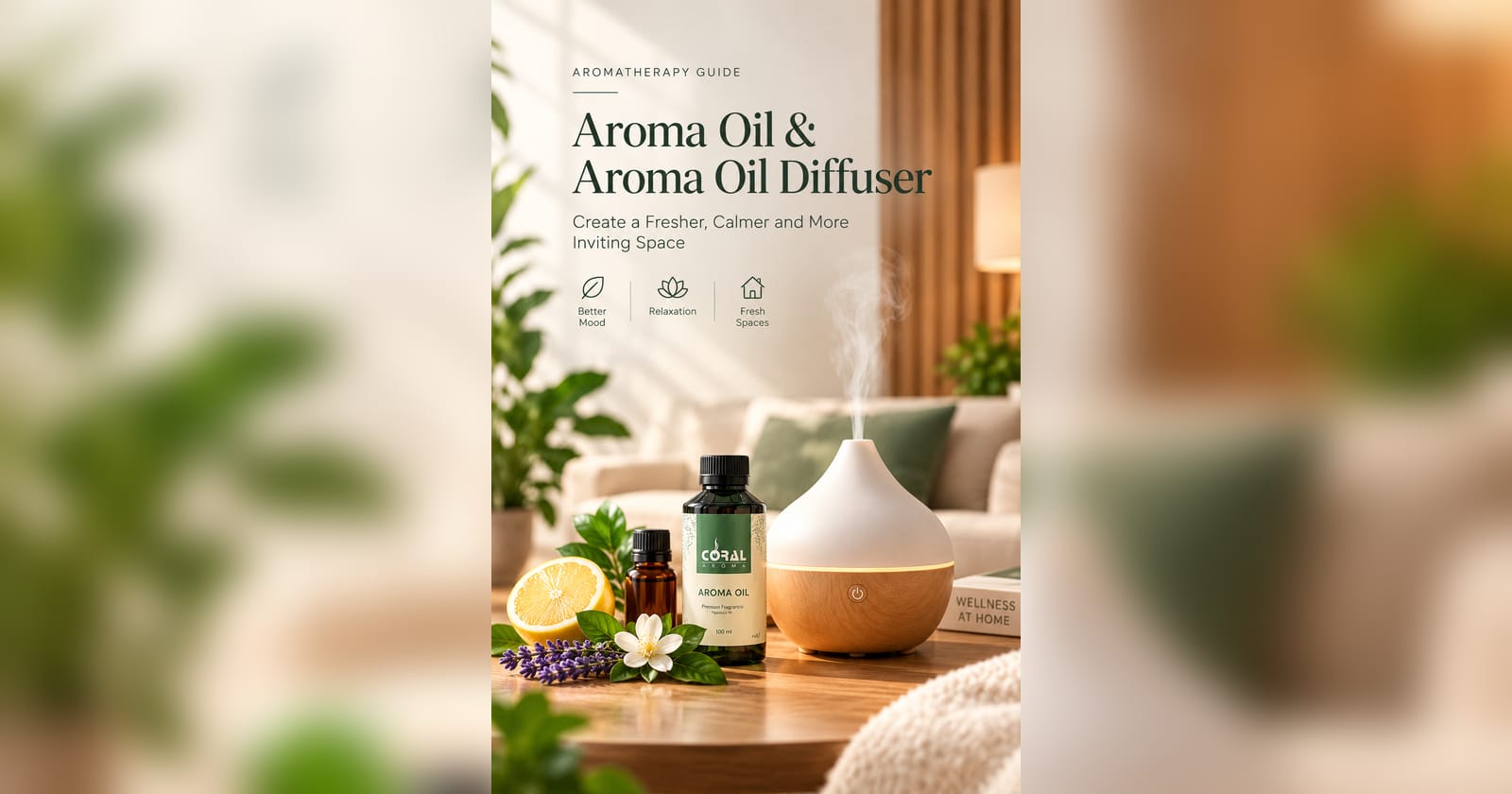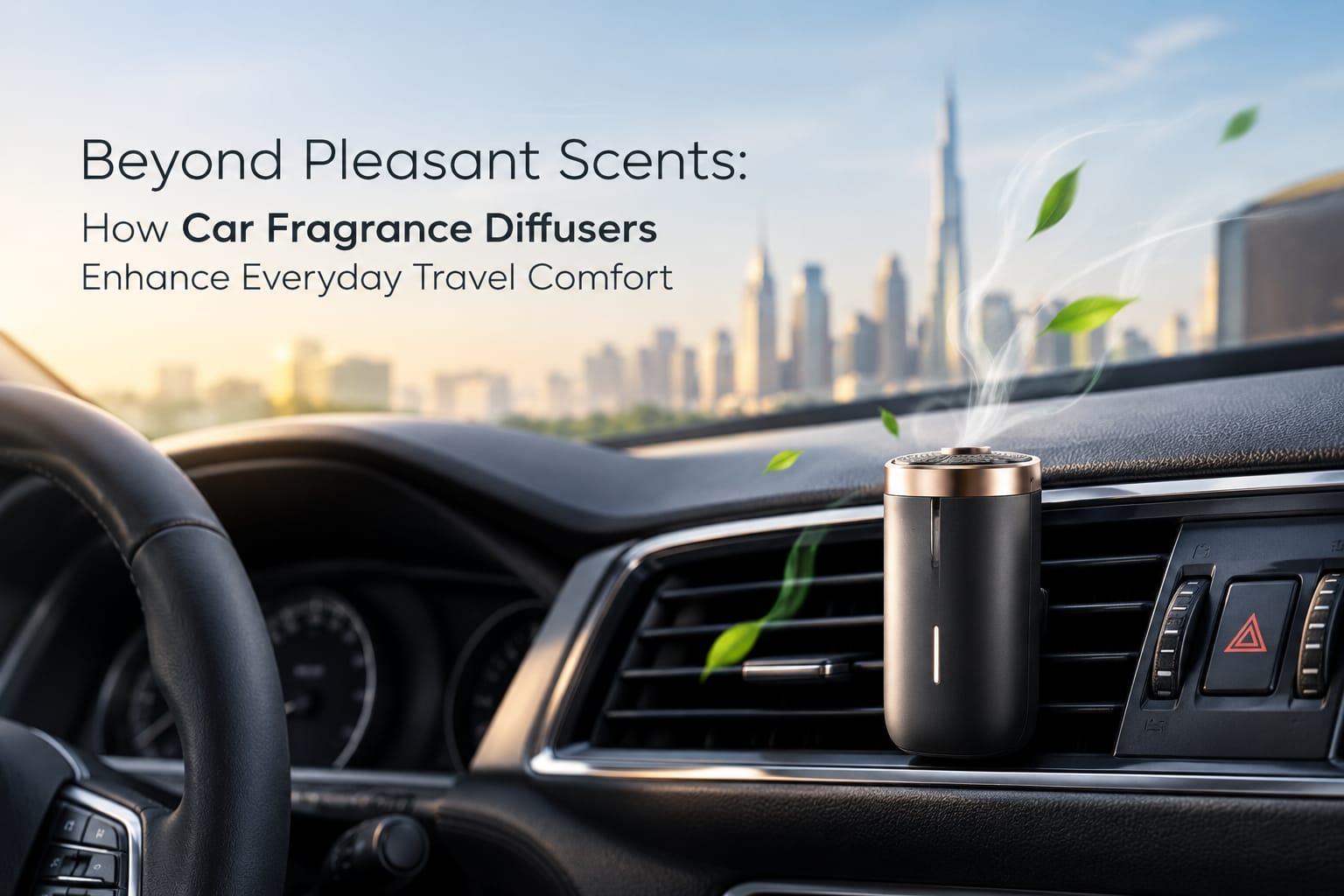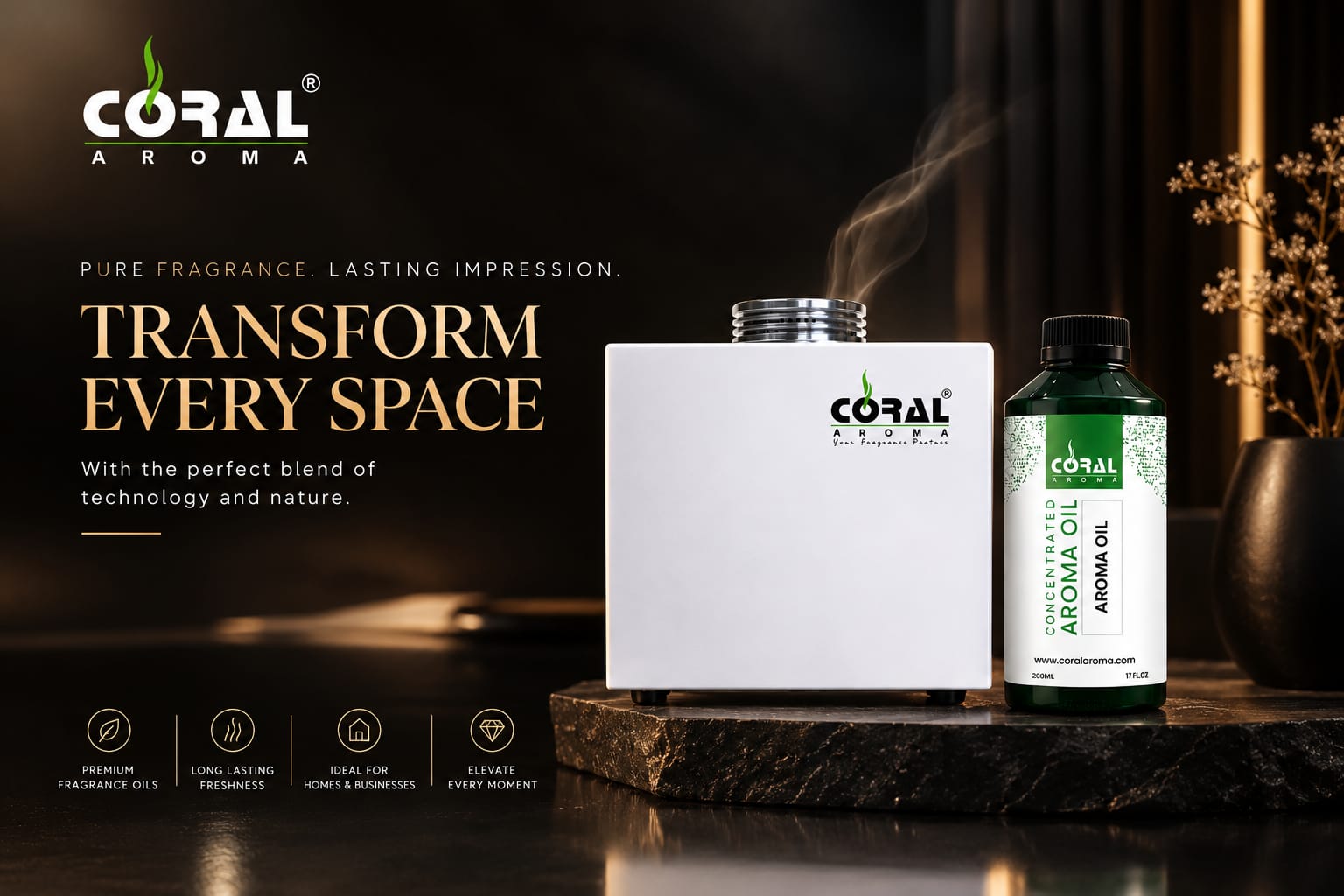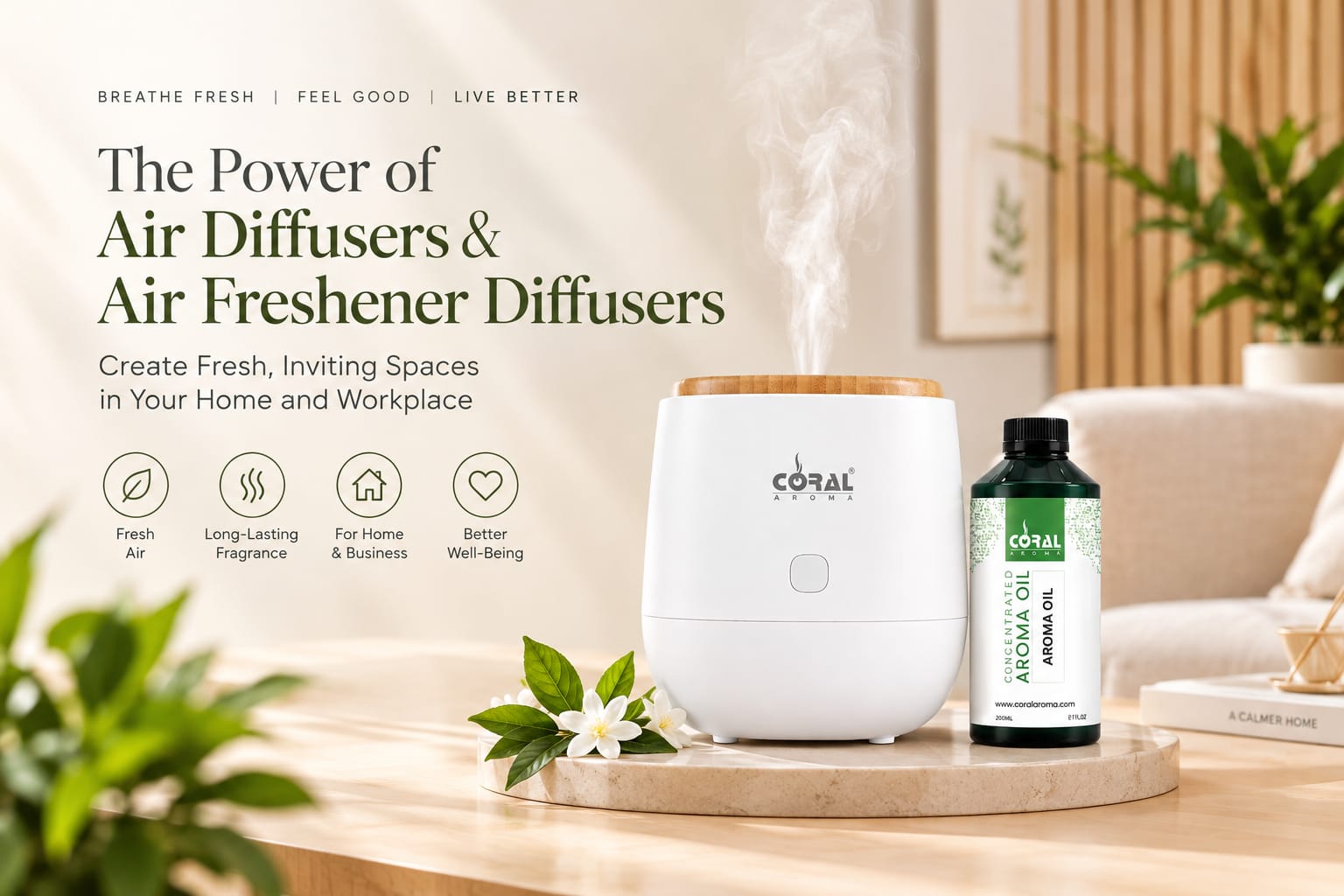
A fresh, pleasant-smelling environment can make a home feel more comfortable and help businesses create a positive first impression. From welcoming guests into a living room to creating a relaxing bedroom or a pleasant workplace, fragrance plays an important role in how people experience indoor spaces. However, achieving the right atmosphere involves more than simply covering unwanted odours. It requires choosing suitable fragrances, selecting effective dispensing methods, and maintaining a comfortable level of scent.
The right air diffuser can help distribute fragrance throughout a room, creating a consistent atmosphere that complements the space. Understanding fragrance options, room requirements, and safety considerations makes it easier to create an environment that feels fresh, inviting, and comfortable.
1. Understand Different Fragrance Solutions
Indoor fragrance products come in several forms, each offering different benefits.
Reed diffusers: These provide a continuous, subtle fragrance without electricity or an open flame. They work well in smaller rooms, entryways, and bathrooms.
Electric diffusers: Depending on their technology, these devices disperse compatible fragrance oils into the surrounding air. Some models offer adjustable intensity and scheduled operation.
Plug-in fragrance devices: These provide a convenient option for smaller spaces where a consistent scent is desired.
Room sprays: These deliver an immediate burst of fragrance and are useful for occasional refreshing.
Scented candles: These combine fragrance with ambient lighting, although they require careful supervision because of the open flame.
When choosing an air freshener diffuser, consider how frequently the space is used, the desired fragrance strength, room size, and maintenance requirements. A product that works well in a small bedroom may not provide sufficient coverage for a large reception area.
2. Choose Fragrances That Match the Space
Different fragrance families can create different impressions. Selecting an appropriate scent helps establish the atmosphere you want without overwhelming occupants.
Citrus and fresh notes such as lemon and bergamot can create a clean, lively impression, making them suitable for entrances, kitchens, and workspaces.
Floral fragrances such as jasmine and rose can introduce softness and elegance into bedrooms, living rooms, and hospitality settings.
Woody and amber notes can add warmth and depth, making them suitable for lounges, reception areas, and interiors designed to feel sophisticated.
Vanilla and other gentle gourmand notes can create a cosy atmosphere when used in moderation.
Personal preferences matter, but fragrance intensity should also suit the room's purpose. A subtle scent is generally preferable in a workspace, while a welcoming fragrance near an entrance can help establish a positive first impression.
3. Consider Room Size and Fragrance Distribution
The effectiveness of a fragrance solution depends partly on the area being treated. Small rooms may need only a modest fragrance source, while open-plan living areas and commercial interiors may require equipment designed for greater coverage.
Before choosing a device, check its recommended coverage, fragrance consumption, operating settings, and placement requirements. Position it where air can circulate naturally, while avoiding direct airflow that carries the scent away too quickly.
For larger offices, hotels, retail stores, or reception areas, a suitably sized air diffuser can provide more consistent distribution than a product intended for a small room. Adjustable settings can help maintain a balanced scent throughout operating hours.
4. Understand the Connection Between Scent and Atmosphere
Smell is closely connected to memory, emotions, and personal associations. Familiar or pleasant fragrances may help some people feel relaxed, comfortable, or more connected to a space. A carefully chosen scent can also contribute to a business's identity by making its environment more recognisable.
For homes, gentle fragrances can complement quiet evenings, family gatherings, and everyday routines. In workplaces, a restrained fragrance may contribute to a more welcoming environment for employees and visitors.
Fragrance should support comfort rather than become the main focus. Strong scents may cause discomfort or sensitivity for some individuals, so consider the preferences of everyone using the space.
5. Natural and Synthetic Fragrances: What Should You Choose?
Natural fragrance ingredients, including essential oils and botanical extracts, offer distinctive aromatic characteristics. However, natural does not automatically mean harmless or suitable for everyone. Essential oils can cause irritation or trigger sensitivities in some people.
Synthetic fragrance ingredients can provide consistent scent profiles, stability, and a wide variety of aromatic combinations. Their suitability depends on formulation, concentration, and intended use.
Instead of judging a product only by whether it is natural or synthetic, review its ingredients, follow the manufacturer's instructions, and select products from reputable suppliers. If anyone in the household or workplace is sensitive to fragrance, consider fragrance-free alternatives or limited use.
6. Maintain Freshness and Fragrance Longevity
A pleasant indoor environment starts with good hygiene. Clean fabrics, empty rubbish bins, appropriate ventilation, and prompt attention to dampness help prevent unwanted odours from building up.
Fragrance products should complement these practices rather than replace them. To maintain a consistent scent, follow recommended refill schedules, clean devices as directed, and adjust intensity according to room size and occupancy.
A well-maintained air freshener diffuser can help provide a steady fragrance experience when correctly matched to the room. Avoid excessive fragrance application, and ventilate spaces appropriately to support indoor comfort.
7. Prioritise Safety and Environmental Considerations
Always use fragrance products according to their instructions. Keep liquids and devices away from children and pets, and never add oils to an appliance unless the manufacturer specifically permits them. Candles should never be left burning unattended.
Choose products with practical refill options where available, avoid unnecessary packaging, and use only the recommended amount of fragrance. Good ventilation and moderate scent levels help create a more comfortable environment.
Frequently Asked Questions
1. What is the best way to make a room smell fresh?
Remove the source of unwanted odours, clean frequently used surfaces and fabrics, ventilate the room when practical, and select a suitable fragrance product.
2. Which fragrance is best for a welcoming home?
Citrus, soft floral, and gentle woody fragrances are popular choices. The best option depends on personal preference, room purpose, and desired intensity.
3. How long does a fragrance diffuser last?
Longevity varies according to the product, reservoir size, fragrance formulation, room conditions, and operating intensity. Follow the manufacturer's guidance for refills and maintenance.
4. Are fragrance diffusers suitable for offices?
They can be suitable when correctly sized and used at a low intensity. Consider ventilation, workplace policies, and the possibility of fragrance sensitivities among employees and visitors.
5. Can fragrance products remove unpleasant odours?
Most fragrance products primarily add scent or mask odours. Cleaning, ventilation, and addressing the source of the smell are important for lasting freshness.
Conclusion
The right fragrance solution can transform indoor spaces by creating a pleasant atmosphere that reflects their purpose and personality. By choosing appropriate scent profiles, matching products to room size, maintaining cleanliness, and using fragrance responsibly, homeowners and businesses can create spaces that feel fresh and welcoming.
A balanced approach is the key: fragrance should complement a clean environment, enhance the overall experience, and remain comfortable for everyone who enters.