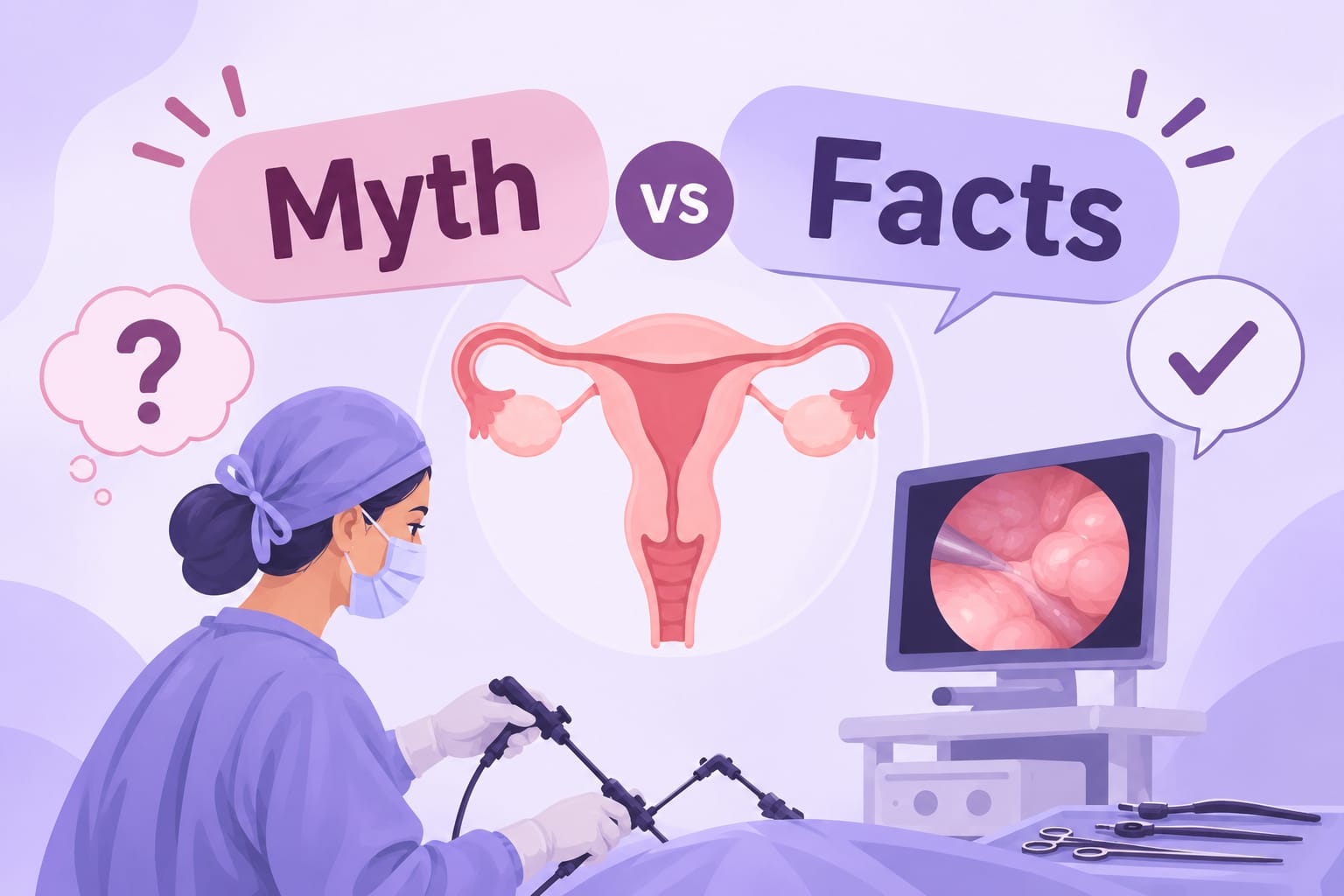
A surprising number of doctors rule out specialized fellowships based on assumptions they’ve never actually verified. Before deciding whether a Gynecologic Endoscopy Fellowship is worth pursuing, it’s worth separating what’s actually true about the program from what people simply assume.
Myth 1: “It requires stepping away from practice for a year”
This is probably the most common reason doctors don’t look further. In reality, a program built around hybrid and online delivery is specifically designed to avoid this trade-off. Medical Global Academy structures their fellowship this way — coursework and mentorship run alongside an active clinical practice rather than replacing it for a year.
Myth 2: “This is only for doctors fresh out of residency”
There’s an assumption that specialized fellowships are mainly for recent graduates still deciding on a direction. In practice, a meaningful share of doctors pursuing this kind of program are several years into independent practice — often because enough cases have passed through their hands that a specific interest or gap has become clear, rather than something they’re guessing at abstractly. Nothing about the program’s design assumes participants are new to practice.
Myth 3: “A program like this won’t carry real recognition”
This concern usually comes from confusing accessible delivery (hybrid/online) with low standards — as if convenience automatically means the credential is weaker. That’s not the case here. The program is UK CPD accredited, which is a meaningful distinction from the kind of unregulated certificate programs this myth is usually based on.
Myth 4: “It’s basically formalizing what I already do informally”
This one has a kernel of truth, which is part of why it persists. Plenty of doctors do have real, hands-on exposure to minimally invasive gynecologic procedures built up informally over years of practice. What that informal exposure typically doesn’t include is a full year of structured clinical mentorship — someone actively guiding progress rather than experience accumulating on its own, case by case, with no one checking whether gaps are actually closing. That mentorship structure is arguably the single biggest difference between informal competence and the fellowship itself, and it’s the part most doctors underestimate until they look closely at how the program is actually built. The course page covers the mentorship structure, accreditation, and eligibility requirements in details - Gynecologic Endoscopy Fellowship
Bottom Line
None of these myths are unreasonable assumptions — they’re the kind of thing anyone would assume without looking closely. But they also don’t hold up once you actually check the program’s structure: the format accommodates an existing practice, the credential carries real accreditation, and the mentorship component is substantive rather than symbolic. Whether the fellowship is worth pursuing is a separate question with a real answer either way — but it shouldn’t be ruled out based on assumptions that turn out not to be true.