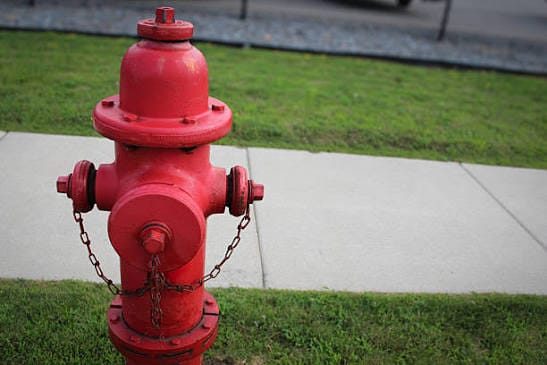
Fire safety infrastructure has become a critical element of modern buildings, industrial facilities, and public spaces across France. As urban development expands and safety regulations become more stringent, dependable fire protection systems are no longer viewed as optional additions but as essential components of risk management. Fire pumps play a central role in ensuring that sprinkler systems and hydrants receive adequate water pressure during emergencies, making them indispensable for safeguarding lives and property.
The France Fire Pump Market reflects this growing emphasis on resilient fire protection systems. According to a study published by Markntel Advisor, the market was valued at USD 85.96 million in 2025 and is projected to grow from USD 89.3 million in 2026 to USD 142.8 million by 2032, registering a CAGR of around 8.14% during the forecast period. Growing investments in advanced fire protection equipment are supporting the adoption of high-performance pumping solutions across commercial, industrial, and residential developments.
France continues to strengthen its infrastructure through smart city initiatives, commercial construction, transportation projects, and industrial modernization. These developments are increasing the demand for reliable fire suppression systems that can operate efficiently under varying conditions. Property owners, facility managers, and industrial operators are prioritizing equipment capable of delivering consistent performance while complying with evolving national and European fire safety standards.
Growing Infrastructure Investments Strengthen Demand
Large-scale investments in commercial buildings, logistics centers, manufacturing plants, healthcare facilities, and public infrastructure are creating new opportunities for fire protection equipment suppliers. Every new facility requires reliable fire suppression systems designed according to strict safety regulations, making fire pumps an integral part of building planning and engineering.
Modern infrastructure projects increasingly incorporate comprehensive fire protection strategies from the design stage. This proactive approach helps reduce operational risks while ensuring compliance with building codes and insurance requirements. As construction activity continues across multiple sectors, demand for advanced pumping technologies is expected to remain steady.
Industrial Facilities Prioritize Operational Safety
France's industrial sector includes manufacturing, chemicals, food processing, pharmaceuticals, automotive production, and energy facilities that require dependable fire protection. Industrial environments often handle combustible materials or high-value equipment, making rapid emergency response essential.
High-capacity fire pumps provide the pressure necessary to support sprinkler systems and hydrant networks even in large facilities. Organizations are also investing in backup pumping systems to ensure uninterrupted operation during power failures or unexpected emergencies. This focus on business continuity continues to encourage modernization of fire protection infrastructure.
Technology Improves Fire Pump Performance
Technological advancements are transforming fire pump systems into more intelligent and efficient assets. Manufacturers are introducing variable-speed drives, digital monitoring platforms, predictive maintenance capabilities, and remote diagnostics that improve overall system reliability while reducing maintenance costs.
Integration with building management systems allows facility operators to continuously monitor equipment health and quickly identify maintenance requirements before failures occur. These innovations not only enhance operational efficiency but also help organizations comply with increasingly sophisticated safety management practices.
Regulatory Compliance Continues to Influence Adoption
Fire safety regulations remain one of the strongest drivers influencing equipment selection across commercial and industrial facilities. Building owners must ensure that installed fire protection systems meet rigorous national and international standards while remaining operational throughout the building lifecycle.
Routine inspections, maintenance schedules, and compliance testing have become standard practice for organizations seeking to minimize operational risks. Consequently, many businesses are replacing aging equipment with modern pumping systems that offer higher efficiency, improved reliability, and easier maintenance documentation.
Sustainability Shapes Equipment Development
Environmental considerations are increasingly influencing equipment design across the fire protection industry. Manufacturers are focusing on energy-efficient motors, durable materials, and optimized hydraulic performance that reduce electricity consumption without compromising emergency readiness.
Longer equipment life cycles, improved operational efficiency, and reduced maintenance requirements support broader sustainability objectives while lowering total ownership costs for facility operators. These factors are becoming increasingly important for organizations balancing safety investments with environmental responsibilities.
Future Outlook
The continued expansion of commercial infrastructure, industrial modernization, technological innovation, and stricter safety standards will likely sustain demand for advanced fire protection solutions across France. As organizations invest in resilient infrastructure capable of meeting evolving regulatory requirements, reliable fire pump systems will remain fundamental to comprehensive fire safety planning.