With changing housing needs across Canberra, some property owners are considering whether their existing land could accommodate more than one dwelling.
For homeowners, investors and families looking to make better use of their property, multi-residential development can create opportunities. However, building two or three homes on one block involves much more than dividing the available space.
The real challenge is creating individual homes that are functional, comfortable and practical to live in.
1. Start by understanding the potential of your land
Not every block is suitable for a duplex, triplex or townhouse development.
Before investing in architectural plans, consider:
Block dimensions and frontage.
Site slope and ground conditions.
Vehicle access and parking requirements.
Private open space.
Setbacks and applicable planning controls.
Existing services and infrastructure.
A preliminary feasibility assessment can help determine whether a proposed development is worth investigating further.
2. Avoid making one dwelling feel secondary
One of the biggest concerns with multi-residential construction is that one dwelling may receive better access, natural light or outdoor space than the others.
A successful design should consider each home's privacy, entry, parking, storage and connection to outdoor areas.
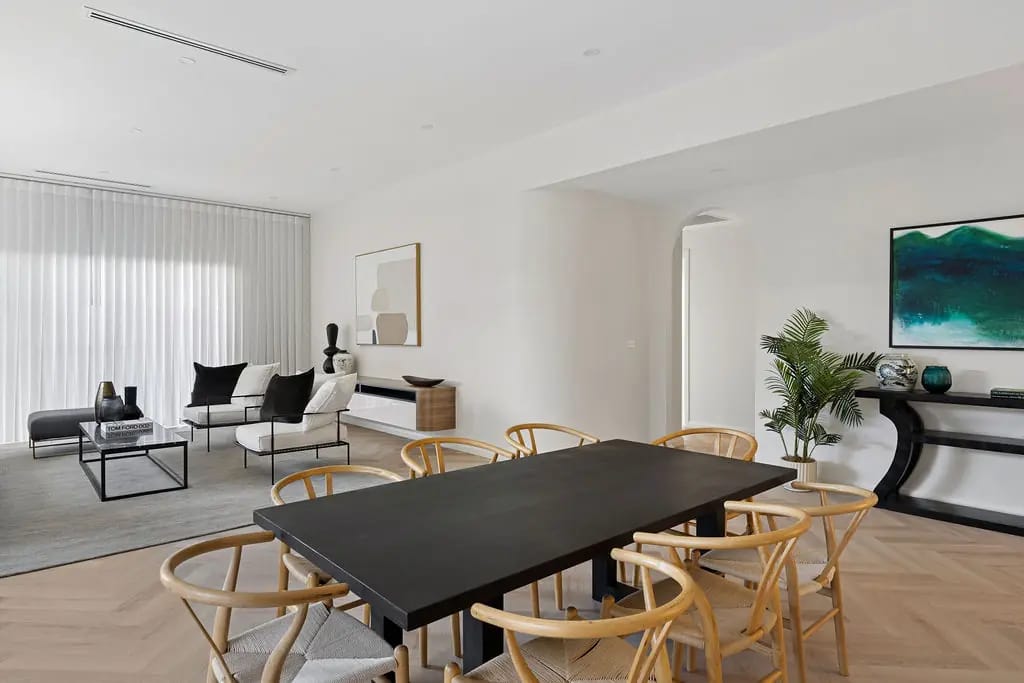
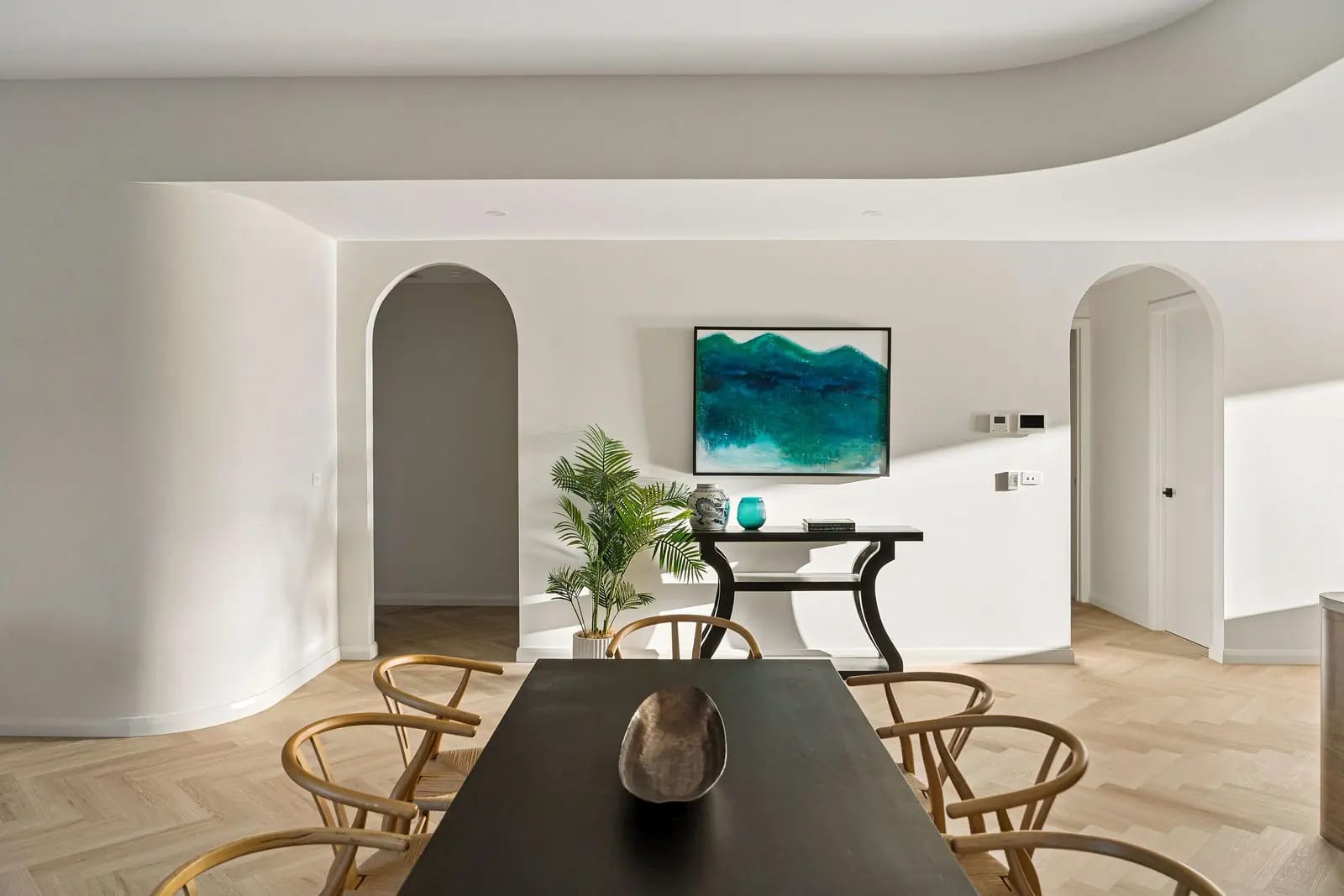
The Denman Triplex project in Denman Prospect demonstrates how three homes can be arranged on a sloping block, with individual entries, gardens and outlooks.
This is an important consideration when planning multiple dwellings on one property.
3. Think beyond the number of dwellings
Increasing the number of homes does not automatically make a development successful.
The layout should reflect the needs of future occupants. Families may prioritise storage and living areas, while downsizers may prefer single-level layouts and low-maintenance outdoor spaces.
The Onkaparinga Residences in Kaleen provide an example of two family homes on one block, each with its own entry, driveway and private garden.
The goal should be to create homes that feel independent rather than overcrowded.
4. Understand the construction and development process
Multi-residential projects require coordination between planning, design, engineering and construction.
Before proceeding, discuss:
Site feasibility and development yield.
Planning and building approval requirements.
Shared and separate services.
Construction costs and project programming.
Access during construction.
Finishes and specifications for each dwelling.
Working with experienced multi-residential builders in Canberra can help property owners understand these considerations before committing to a development.
5. Is multi-residential construction suitable for your property?
The answer depends on the site's characteristics, planning requirements, budget and intended use.
Some owners may want to accommodate extended family, while others may be considering a development for future sale or rental.
A proper feasibility assessment should consider both the development potential and the quality of the finished homes.
Final thoughts
A Canberra block may offer more potential than its current house suggests, but good multi-residential development starts with practical planning.
The best outcome is not simply fitting more dwellings onto a property. It is creating well-designed homes that provide privacy, functionality and long-term usability.