Artificial intelligence is changing the way videos are planned, created, edited, and shared across digital platforms. In 2026, video production is becoming more accessible as creators use AI tools to turn simple ideas, written prompts, and images into engaging visual content. These developments are also changing audience expectations, production workflows, and creative opportunities. From realistic AI-generated scenes to personalised storytelling, new technologies are giving creators more control over their work while making video production faster, more flexible, and increasingly creative.
This article covers major video developments in 2026, including generative tools, personalised content, AI avatars, editing automation, and creative applications.
1. Text-to-Video Generation Is Becoming More Advanced
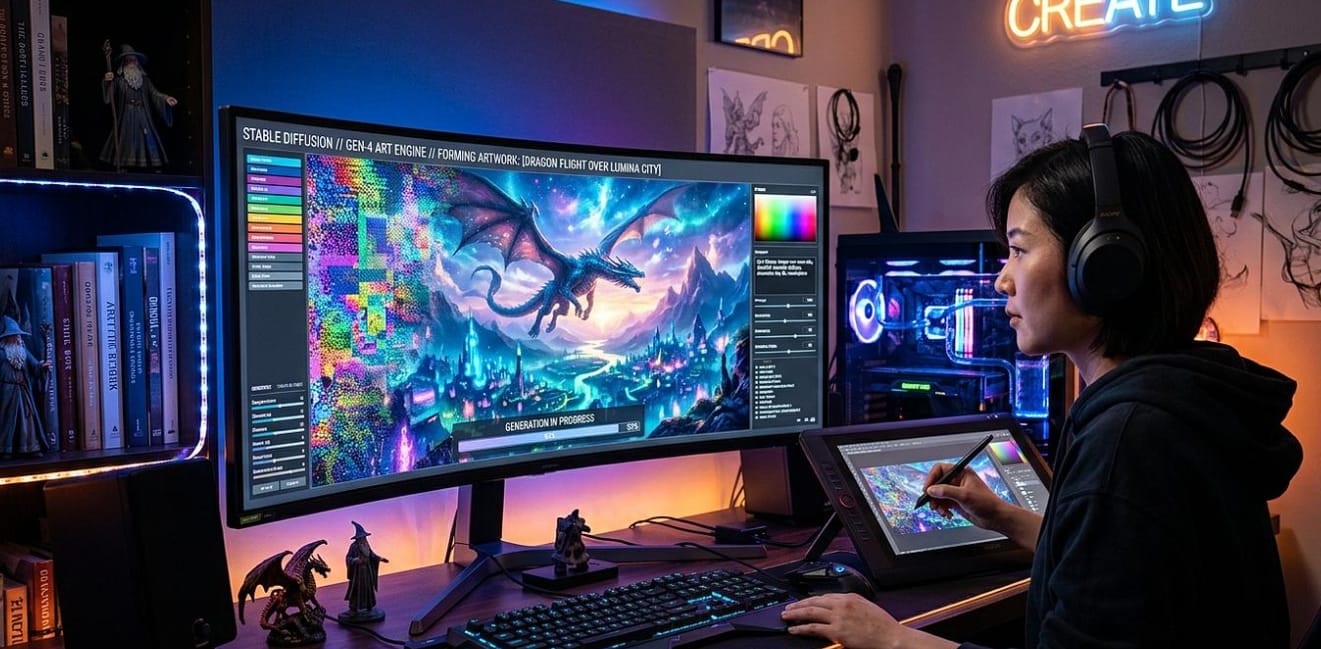
Text-to-video generation remains one of the most noticeable AI trends in video. Creators can describe a scene in ordinary language and receive a video based on their instructions. Earlier tools often struggled with movement, character consistency, and realistic backgrounds. However, newer generation systems are producing more detailed scenes with smoother transitions and improved visual quality.
This development is particularly useful for marketers, independent creators, educators, and small businesses. A person without professional filming equipment can prepare visual content using a written concept.
Some common applications include:
Creating promotional videos for products and services.
Producing short storytelling clips for social media.
Turning educational scripts into visual presentations.
Generating background scenes for creative projects.
Testing different visual concepts before production.
Although human editing remains important, text-to-video technology is making the initial production process considerably simpler.
2. Personalised Videos Are Becoming More Popular
Audiences increasingly expect content that matches their interests, preferences, and viewing habits. Consequently, personalised video production is gaining attention in digital marketing and entertainment.
AI systems can help creators prepare different versions of a video for different audiences. For instance, a business can produce promotional content with different languages, messages, or visual elements without recording an entirely new campaign.
Similarly, content creators can adjust storytelling styles according to their audience. Some viewers prefer short explanations, while others enjoy detailed demonstrations.
This approach offers several advantages:
More relevant video recommendations.
Different versions of promotional campaigns.
Personalised educational experiences.
Language adaptation for international audiences.
Content that matches specific viewer interests.
However, personalisation should respect viewer privacy. Clear consent and responsible data practices remain important when personal information is used.
3. AI Avatars Are Changing Digital Communication
AI avatars are becoming useful tools for people who regularly produce video content. These digital presenters can deliver scripts, explain products, and communicate information without requiring a person to appear in front of a camera for every recording.
Businesses can use virtual presenters for customer support videos, internal training, and product demonstrations. Likewise, educators can prepare digital lessons with consistent presenters.
Another interesting development is the improvement of facial expressions, voice synchronisation, and natural movement. These details make digital presenters appear more realistic.
Still, transparency matters. Viewers should know when a presenter is artificially generated, particularly when the video discusses news, financial matters, or other important subjects.
4. Creative AI Video Tools Are Supporting New Content Categories
Video generation is no longer limited to business presentations and social media advertisements. Creative tools are also supporting character-based storytelling, animation, fantasy scenes, and interactive entertainment.
For example, an AI roleplay porn maker represents an adult-oriented application of generative video technology, where fictional characters and personalized visual storytelling can become part of the creative process. However, responsible services must maintain consent protections, age restrictions, and safeguards against non-consensual depictions of real people.
In the broader AI entertainment category, Secrets AI demonstrates the growing interest in AI-powered character interactions and personalised digital experiences.
5. Automated Video Editing Is Saving Production Time
Video editing involves several repetitive activities, including cutting unwanted footage, adding subtitles, adjusting audio, and arranging scenes. AI-powered editing tools are reducing the manual work involved in these tasks.
In 2026, automated editing is becoming a practical part of everyday content production. Creators can use intelligent software to identify important moments, remove unnecessary pauses, and generate captions.
Some useful editing capabilities include:
Automatic subtitle generation and translation.
Background noise reduction.
Smart scene selection.
Voice cleanup and audio correction.
Automatic resizing for different social platforms.
AI-assisted transitions and visual effects.
However, automated editing does not always produce the best creative result. Human review remains necessary to maintain the right pacing, tone, and storytelling quality.
6. Short-Form Video Is Getting More Creative
AI Shorts continue to attract attention across social media. Reels, Shorts, and other vertical formats encourage creators to communicate ideas quickly while keeping viewers interested.
AI tools are helping produce these videos through automatic scripting, scene generation, voiceovers, and editing suggestions.
Meanwhile, creators can experiment with different openings, visual styles, and storytelling approaches without organizing a full production setup.
Another important development is the growing use of AI-generated backgrounds and visual effects. These options help independent creators produce polished videos with limited resources.
Nevertheless, original ideas remain essential. Technology can assist with production, but a strong concept and relatable message give content its personality.
7. AI Video Quality and Realism Are Improving
Visual realism is another important area of development. AI-generated videos are showing improvements in lighting, character movement, scene consistency, and object details.
These improvements are useful for creative storytelling, product demonstrations, and digital advertising. However, realistic synthetic footage also creates challenges around misleading content and digital authenticity.
Creators should clearly identify synthetic material when its realistic appearance could confuse viewers. Additionally, businesses should review generated footage before publishing it.
The future of video production will depend not only on visual quality but also on how responsibly these technologies are used.
Conclusion
AI trends in video are changing digital content production through faster editing, realistic generation, personalised experiences, and creative storytelling. In 2026, these technologies are giving individuals and businesses more opportunities to produce engaging videos without large production budgets. However, human creativity, transparency, privacy, and responsible content creation remain essential.
AI works best as a creative assistant rather than a replacement for original ideas. As these tools continue to develop, creators who combine technical possibilities with meaningful storytelling will have more opportunities to connect with audiences.