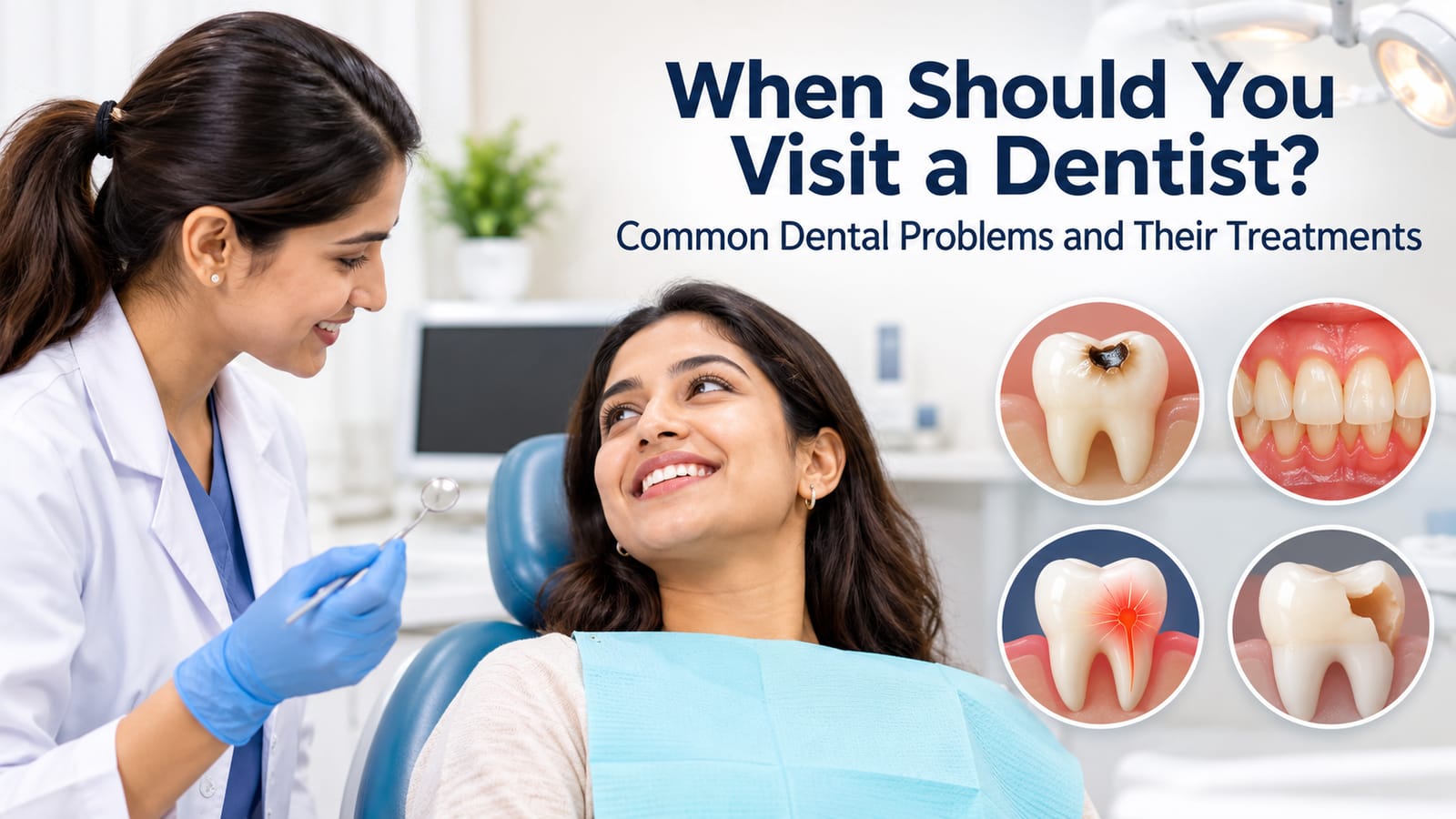
A bright smile is often associated with healthy-looking teeth, but tooth discolouration is a common concern for many adults. Over time, teeth can develop yellow, brown or uneven stains due to everyday habits, ageing and certain dietary choices. While brushing and maintaining good oral hygiene are important, some stains may not respond to regular brushing alone.
For people experiencing persistent tooth discolouration, professional teeth whitening in Canberra may be an option worth discussing with a dental professional.
Understanding why teeth become stained, how whitening works and what to expect from treatment can help individuals make informed decisions about their oral health.
What Causes Teeth to Become Yellow or Discoloured?
Tooth discolouration can develop for several reasons. Identifying the underlying cause is important because different types of staining may require different approaches.
Common causes include:
1. Food and beverages
Coffee, tea, red wine and certain dark-coloured foods contain pigments that can gradually contribute to surface staining. Frequent consumption may make these stains more noticeable over time.
2. Tobacco use
Smoking and other tobacco products can contribute to yellow or brown stains on tooth surfaces.
3. Natural ageing
As people age, the outer enamel layer gradually wears down. The underlying dentine, which naturally has a more yellow appearance, can become increasingly visible.
4. Poor oral hygiene
Inadequate brushing and cleaning between teeth can allow plaque and surface deposits to accumulate, affecting the appearance of teeth.
5. Certain medications and dental conditions
Some medications, developmental conditions and previous dental trauma can cause deeper tooth discolouration. These stains may not respond to conventional whitening treatments.
What Is Professional Teeth Whitening?
Professional teeth whitening is a dental procedure that uses peroxide-based whitening agents to lighten the colour of natural teeth.
Unlike ordinary toothpaste, which primarily helps remove surface stains, professional whitening products work through a chemical process that changes the appearance of certain stains within the tooth structure.
A dental professional can assess the teeth, identify the likely cause of discolouration and determine whether whitening is an appropriate option.
People searching for professional teeth whitening in Canberra should understand that treatment suitability depends on their individual dental condition.
Professional Teeth Whitening vs Over-the-Counter Products
There are several teeth whitening products available, including whitening toothpastes, strips and home-use kits.
However, these products are not all designed to work in the same way.
Professional dental whitening involves an assessment of oral health and consideration of the appropriate whitening method and product.
Some important differences include:
Dental assessment: A dentist can identify cavities, gum inflammation, enamel concerns and other conditions that may need attention before whitening.
Product selection: Whitening products contain different active ingredients and concentrations.
Treatment suitability: Not everyone is an appropriate candidate for whitening.
Monitoring: Dental supervision can help identify and manage potential sensitivity or gum irritation.
Choosing a whitening method without understanding the cause of tooth discolouration may lead to disappointing results or unnecessary irritation.
Does Professional Teeth Whitening Work for Every Type of Stain?
No. The effectiveness of whitening depends on the type and cause of discolouration.
Extrinsic stains develop on the outer tooth surface and are commonly associated with food, beverages and tobacco.
Intrinsic discolouration occurs within the tooth structure and may be associated with ageing, trauma, certain medications or developmental factors.
Professional whitening may improve some types of intrinsic and extrinsic discolouration, but the degree of improvement varies.
It is also important to understand that whitening treatments do not change the colour of dental crowns, veneers, fillings or other restorative materials. This can result in differences in colour between natural teeth and existing restorations.
Is Professional Teeth Whitening Safe?
When appropriately selected and performed according to professional guidance, dental whitening can be a suitable cosmetic option for some individuals.
However, it is not completely free from side effects.
Potential effects include:
Temporary tooth sensitivity.
Gum irritation if whitening products contact soft tissues.
Discomfort in teeth with existing dental problems.
Uneven colour changes, depending on the original tooth condition.
People with untreated cavities, gum disease, exposed roots or significant tooth sensitivity may need dental treatment or further assessment before considering whitening.
Pregnant or breastfeeding individuals should discuss the timing and suitability of elective whitening with their dental professional.
How Can You Maintain Your Tooth Colour?
Daily habits play an important role in maintaining oral hygiene and reducing the accumulation of surface stains.
Consider these practices:
Brush twice daily using fluoride toothpaste.
Clean between your teeth using floss or interdental brushes.
Limit frequent consumption of staining beverages.
Rinse your mouth with water after consuming strongly coloured foods or drinks.
Avoid tobacco products.
Attend dental examinations based on your individual oral health needs.
These habits support general oral health, although they cannot prevent all forms of natural tooth discolouration.
When Should You Consider Professional Teeth Whitening in Canberra?
If your teeth have become noticeably discoloured and regular oral hygiene is not improving their appearance, discussing the available options with a dentist may be helpful.
A dental examination can help establish whether the discolouration is caused by surface staining, natural ageing or an underlying dental condition.
For individuals considering professional teeth whitening in Canberra, an individual assessment is an important first step towards understanding the available treatment options and their potential limitations.
Final Thoughts
Tooth discolouration can have several causes, and not every type of stain responds to the same treatment. Professional teeth whitening may help improve the appearance of suitable natural teeth, but the most appropriate approach depends on individual oral health.
Understanding the cause of discolouration, maintaining good dental hygiene and seeking professional guidance can help people make informed decisions about their smiles.
Dickson Dental on Cape recognises the importance of individual dental needs and encourages patients to seek professional guidance when considering cosmetic dental treatments.