
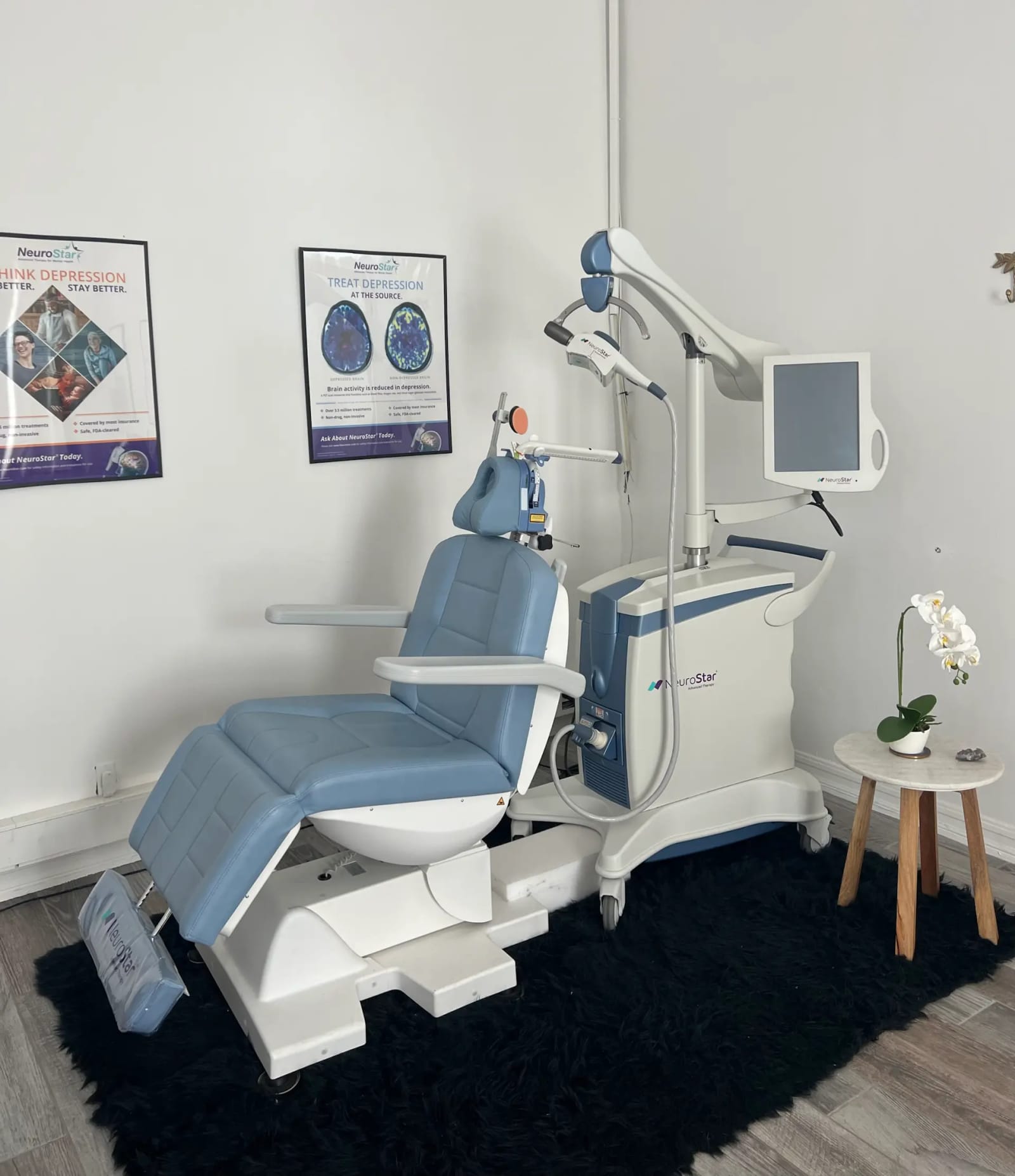
Starting a new treatment can bring up many questions. You may wonder what happens during your first appointment, whether the treatment is uncomfortable, how long a session takes, and what you should do to prepare. If you are considering Transcranial Magnetic Stimulation (TMS), understanding the process can help you feel more comfortable and confident about your decision.
TMS therapy is a non-invasive treatment that uses magnetic pulses to stimulate specific areas of the brain involved in mood regulation. It is commonly used for patients with depression, particularly when antidepressant medications have not provided enough relief or have caused difficult side effects. Your first appointment is an opportunity to learn about the treatment, discuss your concerns, and determine whether it may be appropriate for you.
1. Your First Appointment Begins with a Conversation
Your first TMS appointment usually starts with a discussion about your mental health history, current symptoms, and previous treatments. Your provider may ask questions about:
How long you have been experiencing depression symptoms
Which medications or therapies you have tried
Whether you experienced side effects from previous treatments
Your current symptoms and how they affect daily life
Any relevant medical conditions or medications
Be open about your experiences and concerns. This information helps your provider understand your needs and decide whether TMS may be a suitable treatment option.
2. Your Provider Will Explain How TMS Therapy Works
During your consultation, your provider will explain how TMS uses magnetic pulses to stimulate targeted areas of the brain. Unlike medication, TMS does not require medicine to circulate throughout your body. It is performed while you are awake, and most patients can return to their regular activities after a session.
If you are researching TMS therapy Los Angeles, you may find that clinics offer different treatment protocols and appointment schedules. Your provider can explain which approach is appropriate for your diagnosis, review the expected treatment timeline, and answer questions about the process.
3. Brain Mapping and Initial Measurements
Before treatment begins, your provider may perform a process called motor threshold mapping. This helps identify the appropriate stimulation intensity for your treatment.
During this process, a TMS coil is positioned near your scalp, generally over an area associated with movement. Your provider uses magnetic pulses to identify the motor threshold, which helps guide treatment settings.
You may notice brief movements in your hand or fingers during this measurement. Your provider will explain what is happening and make adjustments to help ensure the procedure is properly calibrated.
4. What Happens During the First TMS Treatment Session?
Once your treatment settings are established, the provider positions the TMS coil over the targeted area of your head. You will remain seated in a comfortable treatment chair while the device delivers magnetic pulses.
You may experience:
A tapping or clicking sensation on your scalp
Mild discomfort around the treatment area
Brief facial or scalp muscle movements
Repeated clicking sounds during stimulation
These sensations can feel unfamiliar at first, but many patients become more accustomed to them as treatment continues. Your provider can adjust the coil position or treatment settings when appropriate if you experience discomfort.
5. How Long Does a TMS Appointment Take?
The length of a TMS appointment depends on the treatment protocol being used. Some sessions may take around 20 minutes, while others can take longer. Your first appointment may require additional time for consultation, measurements, and treatment planning.
TMS is generally provided over multiple sessions throughout several weeks. Your provider will explain the recommended schedule and help you understand what to expect before beginning.
6. Is TMS Therapy Painful?
TMS is generally well tolerated, but patients may experience temporary scalp discomfort or headaches, especially during the early sessions. These effects are often mild and may improve as you become familiar with the treatment.
Before starting, discuss any concerns with your provider. You should also tell the treatment team if you experience discomfort during a session so they can assess whether adjustments are needed.
7. What Should You Do Before Your First Appointment?
Preparing for your first appointment can make the experience easier. Consider these simple steps:
Eat normally before your appointment unless your provider gives different instructions.
Wear comfortable clothing.
Follow your provider's instructions about medications.
Bring a list of current medications and relevant medical history.
Ask questions about the treatment schedule, possible side effects, and costs.
Tell your provider if you have metal implants, medical devices, a history of seizures, or other relevant medical concerns.
Do not stop or change prescribed medication without speaking with your healthcare provider.
8. Can TMS Help with Other Mental Health Conditions?
You may come across information about TMS Therapy for Anxiety while researching treatment options. Although TMS is being studied for anxiety symptoms and certain related conditions, it is not FDA-cleared specifically as a treatment for anxiety disorders. Your provider can discuss established treatment options and whether any research-based approaches are relevant to your situation.
You may also see information about TMS treatment for addiction. Researchers are studying whether brain stimulation may have a role in addressing cravings and substance-use disorders. However, TMS is not an established or FDA-cleared treatment for addiction. Patients seeking help with substance use should discuss evidence-based treatment options with a qualified healthcare professional.
9. What Happens After Your First TMS Session?
After your session, you can generally return to your normal daily activities, including work or other routine responsibilities, unless your provider advises otherwise.
You may not notice a change in your symptoms after the first appointment. TMS treatment typically involves a series of sessions, and improvement, when it occurs, may develop gradually. Your provider will monitor your progress throughout treatment and discuss any concerns or side effects.
Remember that every patient's experience is different. Your treatment plan should be based on your individual needs, diagnosis, and medical history.
10. Questions to Ask Your TMS Provider
Your first appointment is a good time to ask questions and understand what treatment involves. Consider asking:
Am I a suitable candidate for TMS therapy?
What type of TMS treatment do you offer?
How many sessions may I need?
What side effects should I watch for?
Will I need to continue taking my medication?
Does my insurance plan cover TMS treatment?
How will my progress be monitored?
Having clear answers can help you make an informed decision about your mental health care.
Take the First Step Toward Understanding Your Treatment Options
Your first TMS therapy appointment is an opportunity to learn about the treatment, discuss your concerns, and understand whether it may fit your needs. You do not need to have all the answers before your consultation. Asking questions and sharing your treatment history can help your provider guide you through the next steps.
If you are exploring TMS therapy in Southern California, California TMS Clinics can help you learn more about treatment options and the evaluation process. Contact the clinic to discuss your questions and find out whether you may be a candidate for TMS therapy.