Technology is continuously changing the way people interact with the world. From smartphones to intelligent devices, innovation has made everyday activities more convenient, connected, and efficient. One of the most exciting developments in modern technology is wearable electronics, which combines advanced electronic components with everyday accessories to create smarter user experiences.
Wearable technology is becoming increasingly popular across healthcare, fitness, education, entertainment, and communication. These innovative devices help people monitor activities, access information, and interact with digital environments in new ways.
What Are Wearable Electronics?
Wearable electronics are smart electronic devices designed to be worn on the body. They use sensors, wireless connectivity, processors, and software to collect information and provide useful functions.
From monitoring physical activity to displaying digital information, wearable devices are transforming how individuals interact with technology. Their applications continue to expand as electronics become smaller, more efficient, and increasingly integrated into everyday products.
Popular Types of Wearable Technology
Several wearable devices have become important parts of modern lifestyles.
Fitness Trackers: Modern fitness trackers help users monitor daily steps, physical activity, heart rate, and sleep patterns. They encourage healthier habits by providing useful activity insights.
Smartwatches: Advanced smartwatches combine traditional watch functions with digital features such as notifications, fitness monitoring, communication, and application access.
Smart Clothing: Innovative smart clothing integrates sensors and electronic components into fabrics. These garments can monitor body movement, temperature, and other physical measurements, creating opportunities in healthcare and sports performance.
Augmented Reality Glasses: Augmented reality glasses combine digital information with the real-world environment. They can support interactive experiences, navigation, professional training, and educational demonstrations.
How Wearable Electronics Are Transforming Education
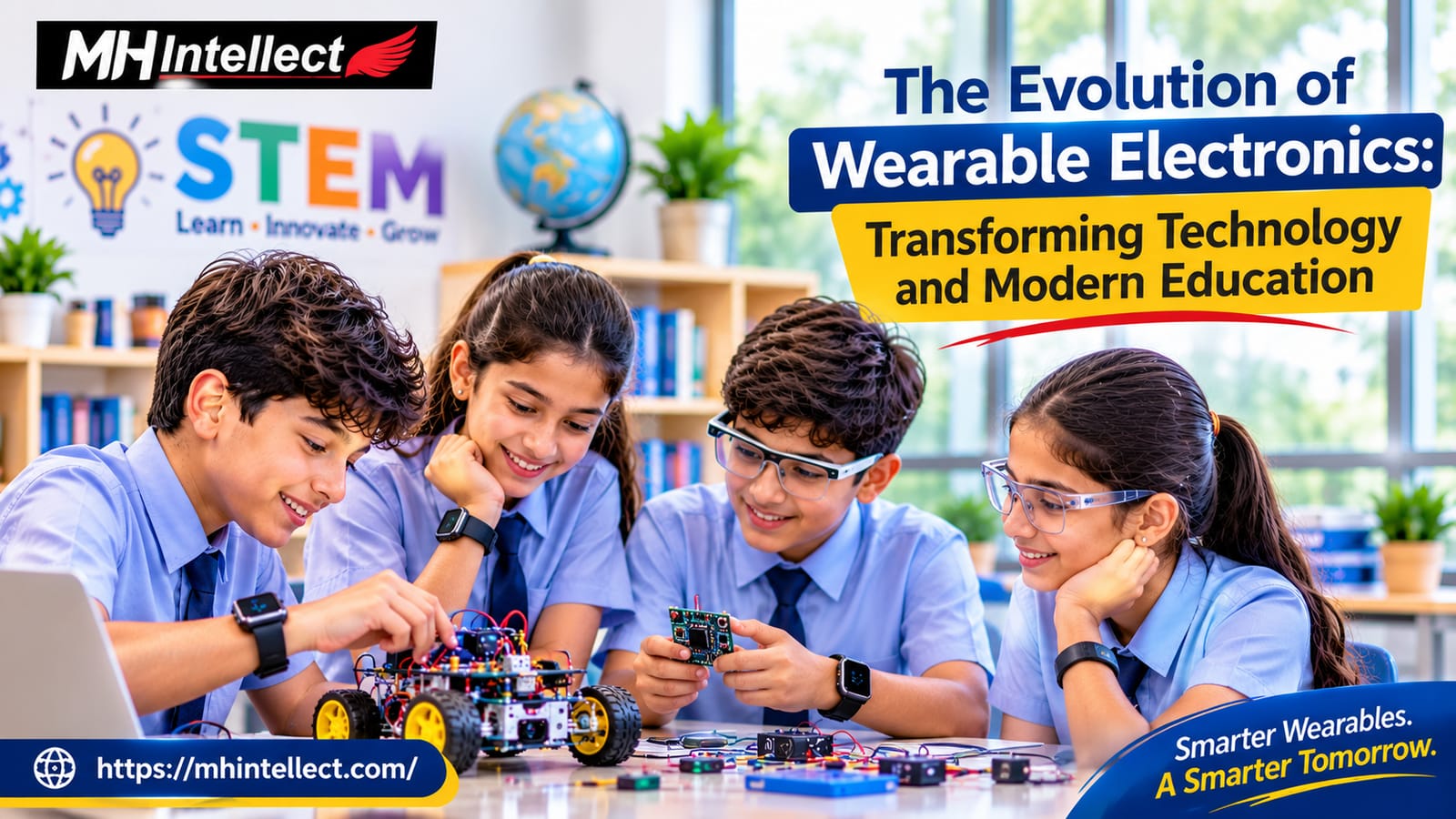
Wearable technology is also creating exciting opportunities in modern education. Schools can introduce students to the technology behind smart devices through practical activities involving electronics, sensors, programming, and engineering.
Understanding how wearable devices function encourages students to explore scientific concepts and develop technical knowledge. For example, creating a basic activity-monitoring device can introduce learners to sensors, data collection, circuits, and coding.
Integrating technology-focused learning with STEM Education helps students connect classroom knowledge with real-world applications. It also encourages creativity, critical thinking, experimentation, and problem-solving skills.
The Role of STEM Education in Future Technology
Science, Technology, Engineering, and Mathematics play an important role in developing future innovators. As wearable electronics continue to evolve, students need opportunities to understand the technologies behind these devices.
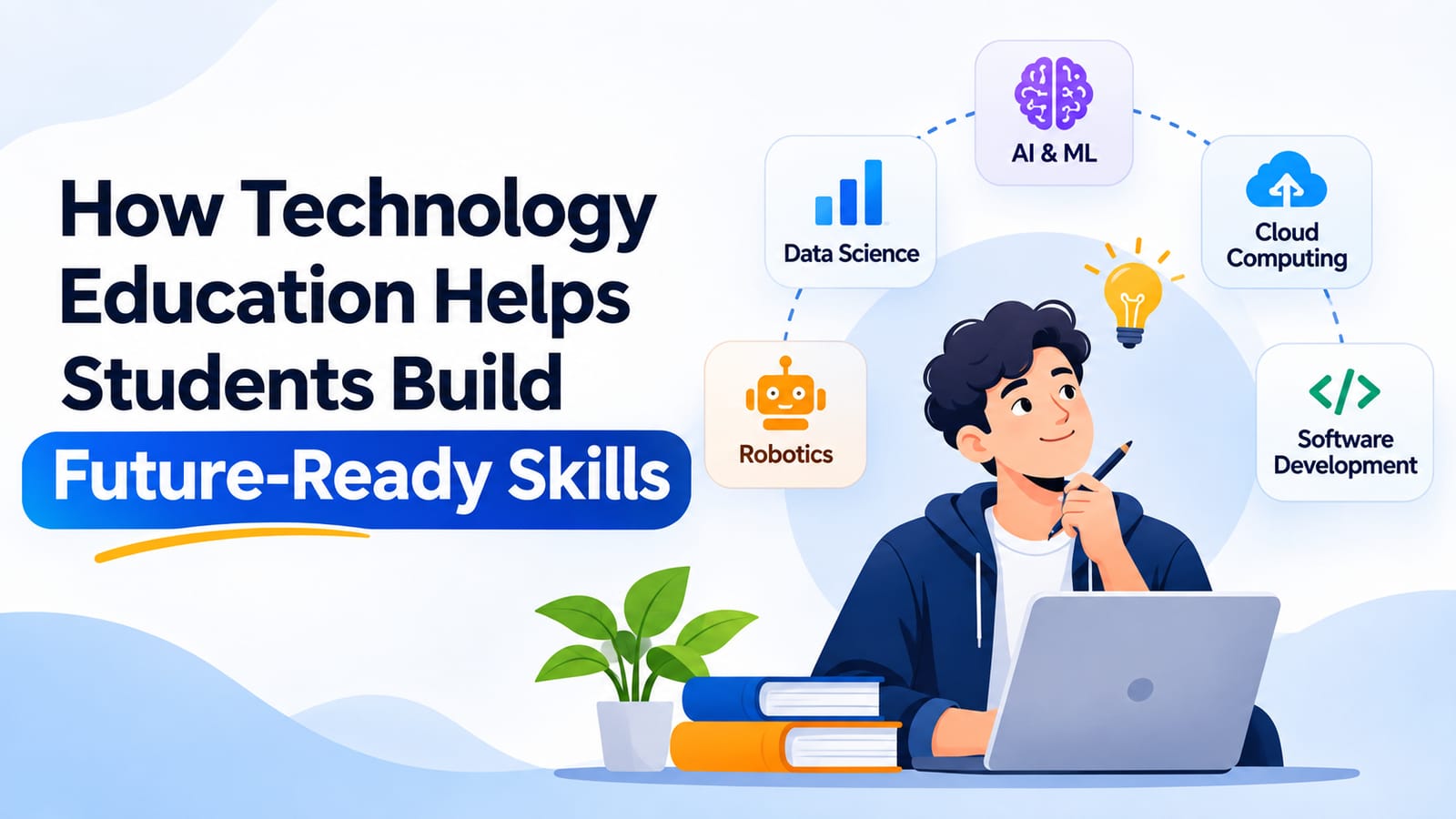
STEM learning introduces students to robotics, programming, electronics, engineering design, and emerging digital technologies. Through hands-on projects, learners can explore how sensors collect information, how circuits function, and how software controls electronic devices.
These experiences help students develop a strong foundation in technology while preparing them for future opportunities in engineering, healthcare technology, and digital innovation.
Why Choose MH Intellect for STEM Learning?
Preparing students for a technology-driven future requires engaging educational experiences and practical learning opportunities. MH Intellect supports schools in exploring STEM learning through technology-focused educational initiatives.
By introducing students to robotics, coding, engineering, and practical science activities, schools can encourage curiosity and innovation. Such learning experiences help students understand emerging technologies and develop the confidence to experiment with new ideas.
Conclusion
The evolution of wearable electronics demonstrates how technology continues to transform everyday life. From fitness trackers and smartwatches to smart clothing and augmented reality glasses, wearable devices are creating new possibilities across multiple industries.
Introducing these technologies through STEM education can inspire students to explore electronics, engineering, and programming while developing essential future-ready skills. With practical learning opportunities and technology-focused education, MH Intellect aims to support schools in preparing the next generation of innovators.