State Bank of India confirmed on 21 October 2026 that some customer records had turned up on the dark web. If you bank with SBI, or applied for a loan there, the most likely risk to you isn't someone emptying your account tomorrow. It is a convincing phone call or message from someone who already knows your name, date of birth, address and branch. Here is what was exposed, how criminals use this kind of data, and what to do today.
What SBI has confirmed
In a stock exchange filing dated 21 October, SBI said it "has experienced an incident involving the loss of certain data". As reported by The Hacker News and Business Today:
When: SBI was alerted on 16 October by its threat intelligence provider, CERT-In and the Defence Cyber Agency.
How much: its preliminary analysis found about 375,000 records on the dark web, of which 3,897 were customer records containing personal information.
What fields: registered mobile numbers, dates of birth, names, gender, email addresses, residential addresses, branch and customer (CIF) identifiers, lead IDs, and metadata linked to loan or lead records.
What's next: SBI said a detailed investigation is needed to confirm whether the data is authentic and complete, where it came from and what the risks are. It has engaged an independent CERT-In-empanelled security agency.
The categories in the filing do not include account numbers, balances, passwords, OTPs, card details, PAN or Aadhaar numbers. That is good news, but be careful with it. The filing doesn't say whether affected customers will be told individually, and the group that claimed the leak also says it has around 2,700 PDF documents, including loan applications and KYC forms. SBI hasn't said whether it examined those. Until the investigation finishes, assume the leaked data could be richer than the filing's list.
How criminals use data like this
A name, date of birth and phone number can't log into your account. What they can do is make a lie sound true.
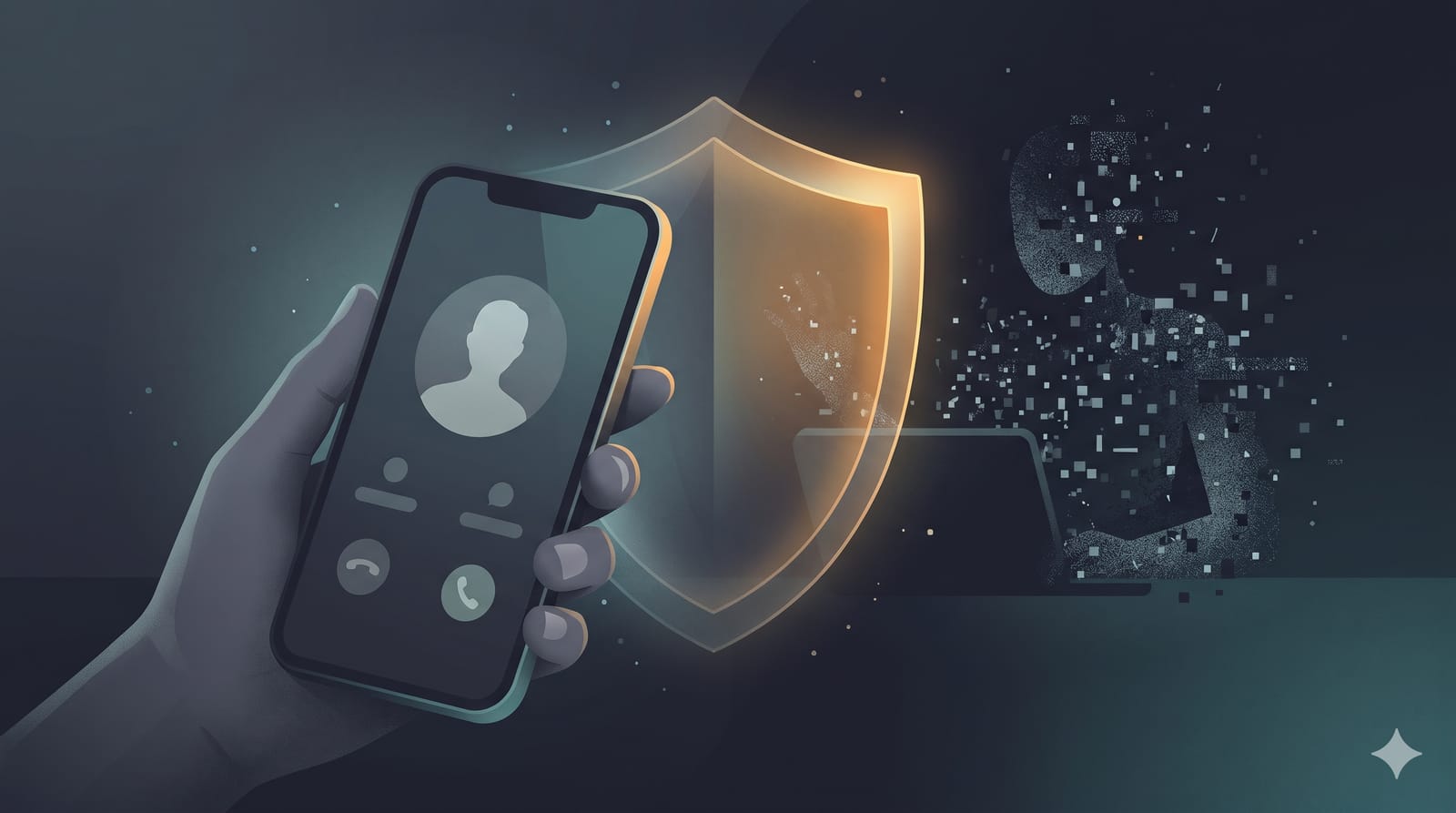
Here is the typical pattern. You get a call: "Good afternoon, am I speaking with Ramesh Kumar, date of birth 14 March 1989? I'm calling from SBI's loan department about your application at the Koramangala branch." Every detail is correct. Your guard drops. Then comes the ask:
"Your loan is approved, we just need a processing fee by UPI."
"Your KYC has expired, please confirm the OTP we've just sent so we can update it."
"There's a suspicious transaction, install this app so we can secure your account."
The data doesn't break into anything. It borrows SBI's credibility so that you hand over the one thing the criminal is missing: an OTP, a payment or remote access to your phone. The fake India Post SMS we covered in October worked on the same principle. Here's how that scam built trust with a few true details.
Loan-related records matter most here. If you recently applied for a loan, a caller who mentions "your application" will sound especially convincing.
Do this today
Adopt one rule: no OTP, PIN or password to anyone who calls you. Not to "SBI", not to "RBI", not to "cyber police". A real bank does not need your OTP to help you.
Hang up and call back on a number you find yourself. Use the customer care number printed on your debit card or the official SBI website, never the number the caller gives you.
Never pay a "processing fee" to receive a loan through a link or UPI request from a caller. Loan charges go through the bank's own process.
Don't install apps a caller asks for, especially screen-sharing or "support" apps. They give the caller control of your phone, OTPs included.
Check your alerts. Make sure SMS and email alerts are on for every transaction, and that your registered mobile number is still yours.
Brief your family. Older parents are often the target, because the caller can quote their details perfectly. Agree that anyone asking for money or OTPs gets a call back first. A family safe word helps; our guide to setting up a safe word against voice-cloning scams explains how.
Where to report
If you get a suspicious call, SMS or WhatsApp message but haven't lost money, report it on the government's Sanchar Saathi portal under Chakshu. The portal asks for reports within 30 days.
If you have lost money, call the national cybercrime helpline 1930 immediately, or file at cybercrime.gov.in. Don't wait until the next morning. Then call your bank.
To tell SBI about a phishing attempt, its cyber security page lists report.phishing@sbi.co.in.
The bigger picture
SBI isn't the only bank to file a notice like this. The Hacker News points out that Bank of Baroda filed a similar one on 27 July, citing a possible business email compromise. Leaks of contact and loan data are becoming routine, so the defence that lasts is a habit, not a one-off password change: treat every unexpected call that knows your details as unverified until you have called back yourself.
India's data protection rules are also tightening around how companies handle personal data. We covered what changes under the DPDP Rules from 13 November, which is today.
Details in this article are from SBI's filing and reporting up to early November 2026. The investigation is ongoing, so check SBI's official channels for updates.