Customer expectations are changing as people increasingly look for faster deliveries, convenient bookings, and services that fit their daily routines. Quick commerce is expanding this demand beyond groceries into areas such as food, healthcare essentials, home services, and local retail. This shift is creating new opportunities for businesses investing in on-demand app development to build digital platforms that connect customers with services whenever they need them.
The Growing Connection Between Quick Commerce and On-Demand Services
Quick commerce focuses on delivering products within a short time, while on-demand services provide immediate access to bookings, professionals, and local businesses. Bringing these models together allows platforms to serve multiple customer needs through a single application.
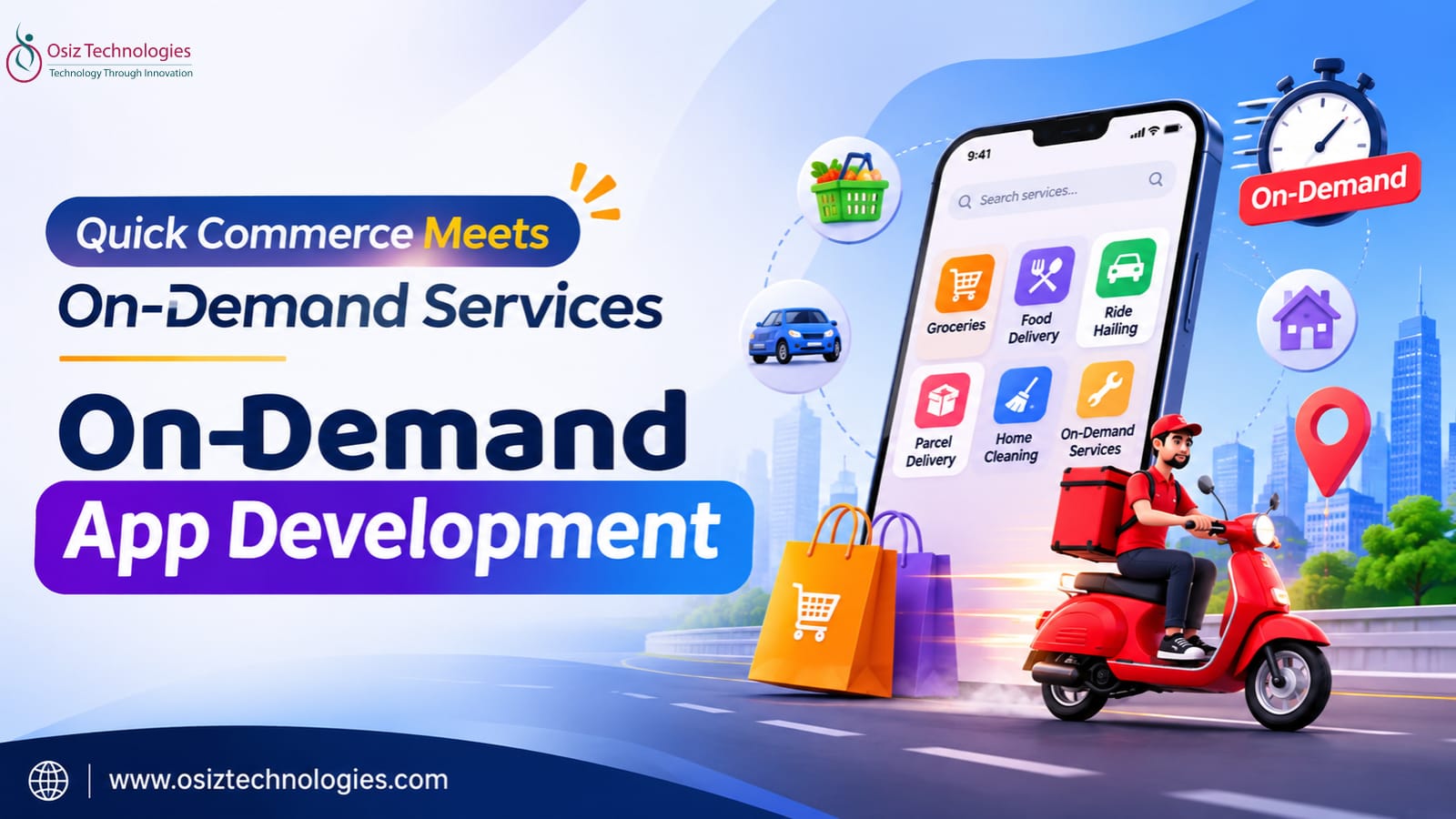
For example, users can order groceries, book a home cleaning service, schedule a repair, or purchase daily essentials without switching between different platforms. This convenience helps businesses reach wider audiences and create more opportunities for repeat customer engagement.
How Technology Makes Digital Platforms More Efficient
Managing multiple services requires more than a simple booking or ordering system. Businesses need technology that connects customers, service providers, delivery partners, and administrators.
Real-time tracking keeps customers informed about order and service progress. Automated booking assignments help distribute requests to available providers, while route optimization supports faster deliveries. AI-powered recommendations can also suggest relevant services based on customer preferences and previous activities.
These capabilities improve coordination and help businesses manage increasing demand without depending entirely on manual processes.
Business Opportunities Across Different Industries
The combination of quick commerce and on-demand services is opening new possibilities across several industries. Retail businesses can offer faster delivery of everyday products, restaurants can expand their ordering services, and local service providers can connect with customers through digital booking platforms.
Businesses can also explore different revenue models, including service fees, delivery charges, subscription plans, and partner commissions. Choosing the right model depends on the target market, operating expenses, and customer demand.
Building Scalable On-Demand Platforms for the Future
As digital services continue to expand, businesses need flexible platforms that can support new features, multiple service categories, and growing customer activity. A reliable application should provide a smooth user experience while making daily operations easier to manage.
Osiz Technologies, an experienced app development company, helps businesses build customized on-demand solutions with modern technologies and scalable features. By combining quick-commerce capabilities with convenient digital services, entrepreneurs can create platforms that adapt to evolving customer expectations and support long-term business growth.