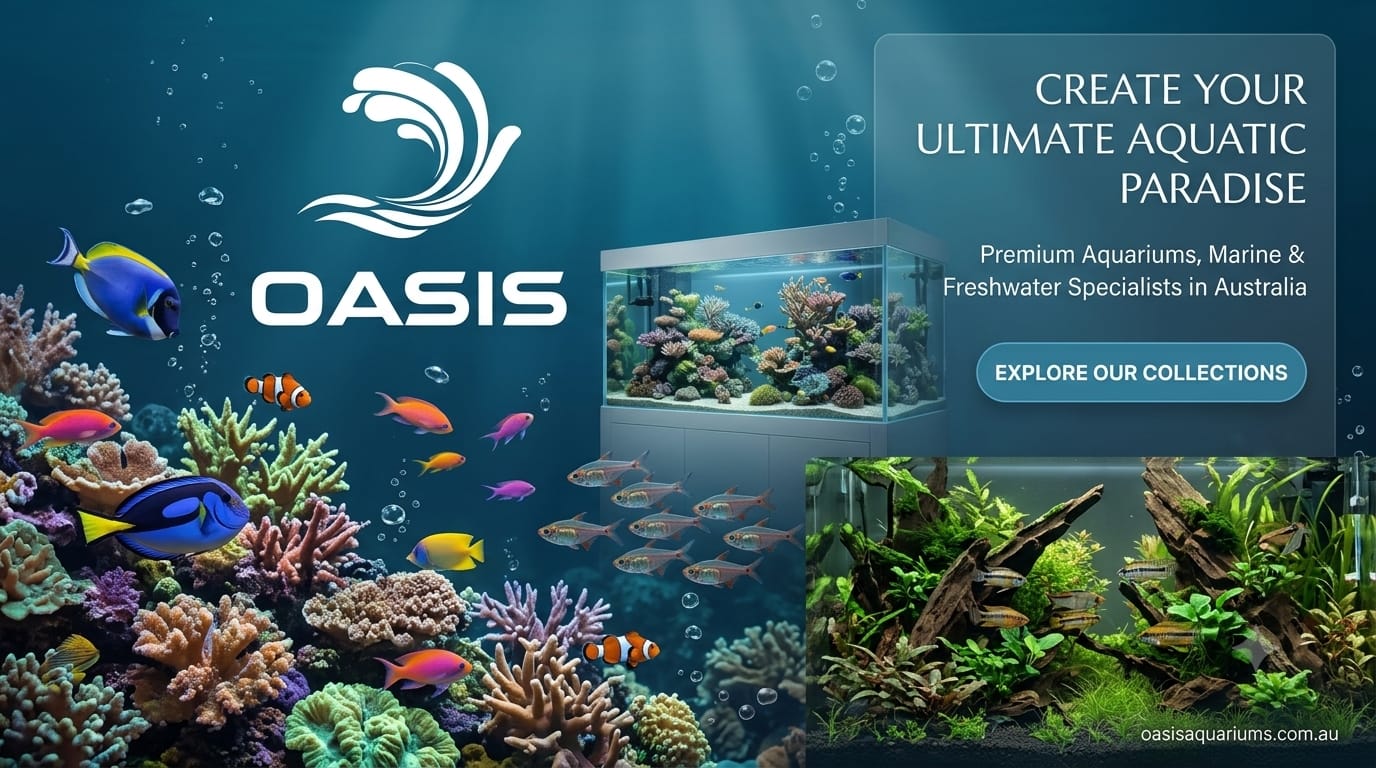
Setting up a freshwater aquarium is an exciting way to bring natural beauty into your home. A well-designed aquarium can become an attractive centrepiece in your living room, bedroom, office, or workspace. The movement of colourful fish, the greenery of aquatic plants, and the gentle flow of water can create a relaxing atmosphere that many people enjoy.
However, creating a successful aquarium involves more than selecting a tank and filling it with water. You need suitable equipment, compatible fish, proper filtration, and a regular maintenance routine. For beginners, understanding these requirements before purchasing anything can make the entire process easier.
Finding a suitable aquariums store is a helpful first step. The right aquarium supplies allow you to prepare your tank properly and provide a comfortable environment for your aquatic pets. From fish tanks and filters to lighting, fish food, and decorations, choosing products that match your setup can save time and reduce unnecessary expenses.
In this guide, we will explore how to set up a freshwater aquarium, select essential equipment, maintain healthy water conditions, and enjoy fishkeeping with confidence.
1. Decide What Type of Aquarium You Want
Before purchasing a tank, think about the kind of underwater environment you would like to create. Your choice will influence the equipment you need, the fish you can keep, and the amount of maintenance required.
A simple freshwater community aquarium is a popular option for people starting their fishkeeping journey. It can contain compatible freshwater fish, suitable substrate, and decorative plants.
You might also consider a planted aquarium, where aquatic plants play a central role in the design. Alternatively, a species-specific tank can be designed around the needs of one particular type of fish.
Before deciding, consider:
How much space you have available.
Your initial and ongoing budget.
The time you can dedicate to aquarium maintenance.
The adult size and requirements of your preferred fish.
Whether you want live plants or artificial decorations.
Planning ahead helps you choose a tank and equipment that fit your lifestyle rather than making purchases you may later need to replace.
2. Choose the Right Fish Tank
The aquarium tank is the foundation of your entire setup. Its size determines how much water it holds and influences the number and types of fish it can accommodate.
A common beginner mistake is choosing the smallest available tank because it appears easier to maintain. However, smaller aquariums can experience rapid changes in temperature and water chemistry. A suitably sized tank may provide more stable conditions when properly maintained.
When choosing a fish tank, consider its dimensions, material, shape, and location.
Glass aquariums are popular because they offer clear viewing and good scratch resistance. Acrylic tanks are generally lighter and can be formed into different shapes, although they may scratch more easily.
Make sure the aquarium sits on a strong, level surface designed to support its full weight. Keep it away from direct sunlight, which can contribute to temperature changes and excessive algae growth.
A reliable aquariums store may offer different tank sizes and styles, allowing you to compare options before choosing a suitable aquarium for your space.
3. Purchase Essential Aquarium Equipment
Once you have selected your tank, it is time to consider the equipment required to maintain a healthy environment.
Filtration system
A filter helps remove suspended debris and supports beneficial bacteria that process fish waste. Common options include sponge filters, internal filters, hang-on-back filters, and canister filters.
Choose a filter that suits the aquarium's volume, stocking level, and inhabitants. Some fish prefer gentle water movement, while others tolerate stronger currents.
Remember that a new filter does not immediately establish biological filtration. Your aquarium needs to complete the appropriate cycling process before fish are exposed to potentially harmful ammonia and nitrite.
Aquarium heater
Not every freshwater aquarium needs a heater. The requirement depends on the species you intend to keep and the temperature of your room.
Tropical fish often need consistently warm water, while some other species have different temperature requirements. Select a suitable heater if needed and monitor the water using a reliable thermometer.
Lighting
Aquarium lighting improves visibility and highlights fish colours. If you plan to grow live plants, the light must also suit their growth requirements.
Choose lighting according to your tank dimensions and the needs of your plants. Use a consistent lighting schedule to help establish a regular day-and-night cycle and reduce unnecessary algae growth.
Water-testing supplies
Testing kits or suitable test strips help you monitor important water parameters. Ammonia, nitrite, nitrate, and pH can provide useful information about aquarium conditions.
These products are essential tools for making informed decisions about aquarium care.
4. Prepare the Aquarium Before Adding Fish
One of the most important steps in aquarium setup is preparing the tank before introducing fish.
Start by placing the aquarium on a suitable stand and installing the necessary equipment. Add aquarium-safe substrate and decorations, then fill the tank with appropriately treated water.
Follow the instructions supplied with your equipment and make sure the filter and heater, if required, are operating correctly.
Next, establish the aquarium's biological filtration through the nitrogen cycle. Beneficial bacteria help convert ammonia into nitrite and then nitrate. Ammonia and nitrite can harm fish, so the cycling process should be managed carefully.
Fishless cycling is a useful approach because it allows beneficial bacteria to develop without exposing fish to unsafe conditions. Use appropriate water tests to determine when the aquarium is ready.
Do not rush this stage. Taking the time to prepare your tank properly can prevent avoidable problems later.
5. Select Compatible Freshwater Fish
Choosing fish is often the most enjoyable part of setting up an aquarium. With so many colours, shapes, and behaviours available, it is easy to become excited about different species.
However, not every fish can live comfortably in the same tank. Some species are territorial, some may eat smaller fish, and others require different water temperatures or water chemistry.
Before buying fish, research their adult size, temperament, diet, and environmental requirements.
Consider these questions:
Will the fish have enough swimming space as they grow?
Are the species compatible with one another?
Do they require similar water conditions?
Do they need to live in groups?
Are their feeding requirements manageable for you?
Avoid overcrowding the aquarium. Too many fish can increase waste production, create competition, and make it harder to maintain suitable water quality.
Introduce fish gradually and monitor the aquarium as its biological system adjusts to the additional waste.
6. Choose Suitable Fish Food
Good nutrition supports normal growth, activity, and overall fish health. Different freshwater fish have different dietary requirements, so food should be selected according to the species you keep.
Common aquarium food products include flakes, pellets, sinking wafers, frozen foods, and specialised diets. Surface-feeding fish may prefer floating foods, while bottom-dwelling species may require sinking options.
When shopping at an aquariums store, read the packaging carefully and check whether the food is appropriate for your fish.
Avoid feeding more than your fish can consume. Uneaten food can break down in the aquarium and contribute to poor water quality.
A consistent feeding routine with appropriate portions is usually better than offering large amounts of food at irregular intervals.
If you keep several species, check whether they have different dietary needs. Some fish may require additional plant matter, while others need more protein in their diet.
7. Make Your Aquarium Beautiful with Plants and Decorations
A freshwater aquarium can be simple and elegant or full of colour and detail. The design depends on your personal preference, the available space, and the needs of your fish.
Aquarium-safe driftwood, smooth stones, ornaments, and substrate can help create an attractive underwater landscape.
Live plants are another popular choice. They can provide shelter, create natural-looking surroundings, and offer additional surfaces for microorganisms. However, plant species have different requirements for lighting, nutrients, and maintenance.
Artificial plants may be suitable for certain setups, provided they are designed for aquarium use and do not have sharp edges.
When arranging decorations, leave enough open space for fish to swim comfortably. Make sure larger structures are stable and cannot fall over.
You do not need expensive accessories to create an appealing aquarium. A few carefully selected plants and decorations can make a simple tank look natural and well organised.
8. Maintain Clean and Healthy Aquarium Water
Water quality is essential for a successful freshwater aquarium. Even when water looks clear, it may contain harmful substances that cannot be seen with the naked eye.
Regular water testing helps you understand the condition of your aquarium and identify potential problems early.
A basic maintenance routine may include:
Checking the filter and other equipment.
Monitoring water temperature.
Testing water parameters at appropriate intervals.
Performing partial water changes when necessary.
Removing excess food and visible debris.
Cleaning equipment according to the manufacturer's instructions.
Observing fish for unusual behaviour or changes in appetite.
Use an appropriate water conditioner when treating tap water, following the product instructions.
Avoid changing all the aquarium water unnecessarily or cleaning every part of the filter at the same time. Such practices can disrupt the biological stability of the tank.
The frequency of water changes depends on the aquarium's size, stocking level, filtration, and test results. Consistent care helps maintain a healthier environment for your fish.
9. Budget for Aquarium Supplies and Maintenance
A successful aquarium does not have to be expensive, but it is important to plan your budget realistically.
Your initial setup may include the tank, filter, lighting, heater if needed, substrate, water conditioner, testing supplies, and decorations. You will also need fish food and tools for regular maintenance.
Ongoing expenses can include electricity, replacement filter media, additional food, and other consumable products.
When comparing items at an aquariums store, consider long-term value rather than choosing products based only on their price.
For example, a filter that is easy to maintain and has readily available replacement media may be more convenient than a cheaper alternative that is difficult to service.
Start with the essentials and add decorative items gradually. This approach allows you to prioritise fish health while learning which products are genuinely useful for your setup.
10. How to Find a Suitable Aquariums Store
Choosing a suitable retailer makes it easier to find the supplies needed to build and maintain your aquarium.
Look for a store that provides clear product information and a selection of useful aquarium essentials. These may include fish tanks, filtration systems, lighting, fish food, water conditioners, decorations, and maintenance accessories.
Before purchasing, check product specifications and confirm that the equipment is appropriate for your tank size and the species you keep.
It is also helpful to consider the availability of replacement parts, delivery information, and customer support.
Oasis Aquariums is one option to explore when looking for aquarium supplies and accessories. Visit https://oasisaquariums.com.au/ to review the available products and information.
Compare your requirements with the product details before placing an order. Choosing compatible equipment is more important than purchasing accessories simply because they look attractive.
Conclusion
Setting up a freshwater aquarium can be a rewarding experience when you approach it with patience and preparation. Choosing a suitable tank, installing effective filtration, selecting compatible fish, and maintaining water quality are all essential parts of responsible fishkeeping.
A suitable aquariums store can help you explore fish tanks, aquarium filters, lighting, fish food, plants, decorations, and other important supplies. However, the long-term success of your aquarium depends on understanding the needs of your fish and maintaining stable conditions.
Start with the essentials, prepare the aquarium properly, and develop a routine that works for your schedule. With regular care and thoughtful planning, you can create a beautiful underwater environment that brings enjoyment to your home for years to come.