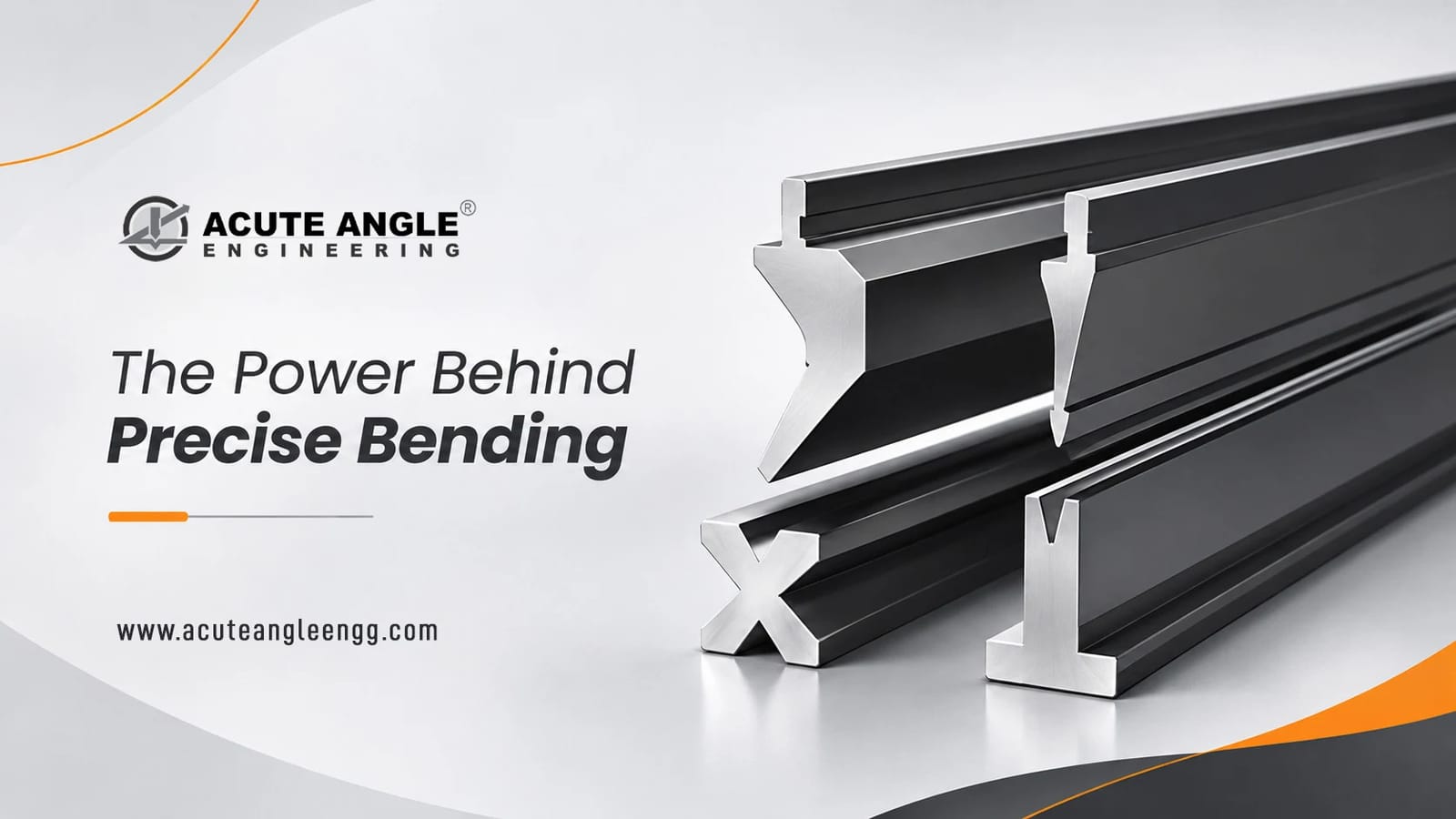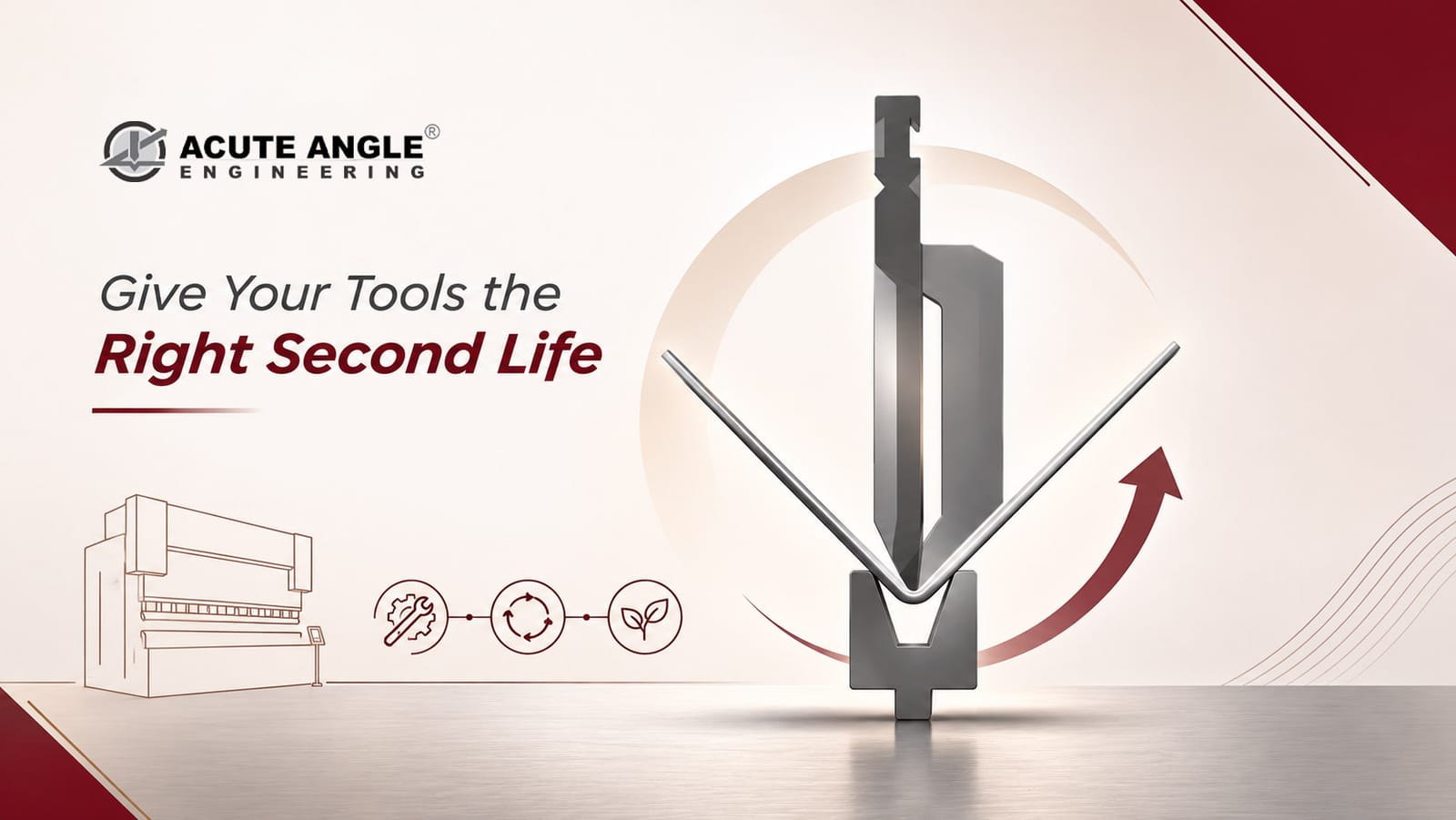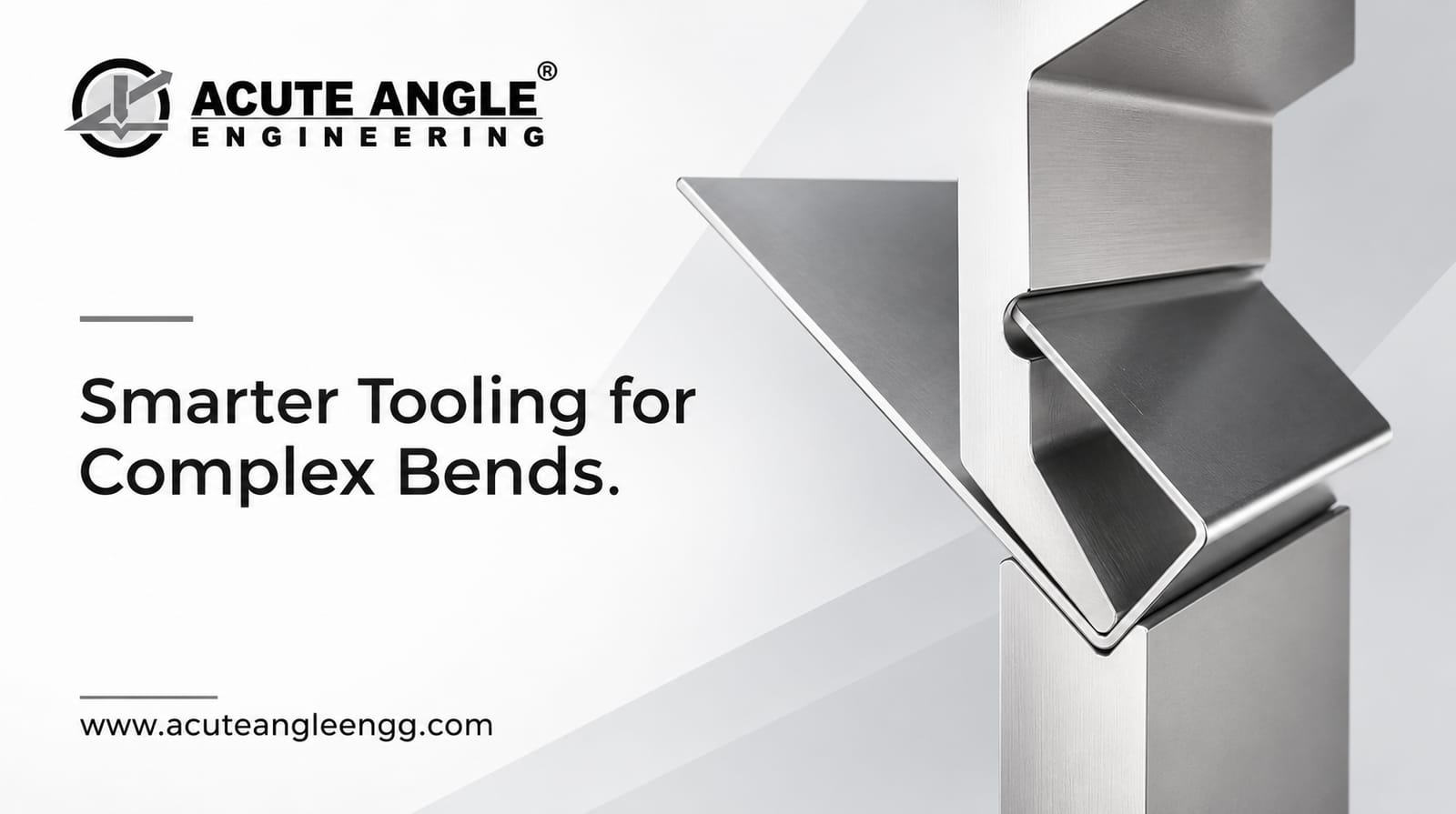
A tooling modification can solve one production challenge, but its success depends on how well the revised design performs under actual bending conditions. A punch adapted for a restricted component profile, for instance, must still provide the required clearance and work effectively with its corresponding die.
For manufacturers handling specialised fabrication requirements, replacing an entire tooling setup may not always be necessary. Modified Press Brake Tooling offers an alternative when existing components have the potential to accommodate application-specific changes. However, the decision requires an engineering assessment of the original design, material specifications and intended bending operation.
When Existing Tooling Needs Adaptation
Standard press brake tools support a wide range of conventional forming operations. However, components with unusual angles, offset profiles, deep channels or restricted dimensions can introduce requirements that standard configurations may not accommodate.
Consider a fabrication project involving a deep channel section. A conventional punch may lack the clearance needed to form the component without interference. In such cases, changing the working profile or dimensions of the tooling may provide a more suitable arrangement.
This is where Custom Press Brake Tooling becomes relevant. Rather than replacing every component, manufacturers can assess whether selected alterations to the existing punch or die can meet the revised design requirements.
The feasibility depends on the tool’s original construction, condition and dimensional limitations. If its design cannot support the required changes, developing a new tooling component may be the more appropriate solution.
Engineering Behind Tooling Modifications
Before modifying a tool, engineers need to understand the forces and geometric requirements involved in the intended bending operation.
Material thickness, mechanical properties and the required inside bend radius influence tooling selection. These parameters help determine the appropriate die opening, punch profile and forming requirements. Machine tonnage and clamping arrangements must also be considered when evaluating a proposed design.
Another critical factor is load distribution. Removing material or changing the cross-section of an existing tool can affect its ability to withstand bending forces. A modification that appears suitable from a dimensional perspective may therefore require further structural evaluation.
Press Brake Tooling Alterations should be based on these engineering considerations rather than measurements alone. The objective is to establish whether the modified component can perform its intended function within the machine’s operating limits.
Punch and Die Design Considerations
Punches and dies influence the geometry of the finished component, making their individual design characteristics important during modification.
Punch alterations may involve changes to the working angle, height or profile to accommodate specialised component dimensions. However, the revised geometry must provide sufficient clearance and retain the structural strength required for the application.
Die modifications involve different considerations. The V-opening, shoulder dimensions and working profile influence how the sheet metal is supported during forming. Changes to these features must account for material thickness, bending requirements and the expected operating loads.
The relationship between both components is equally important. A modified punch must be evaluated alongside its corresponding die to establish whether the complete arrangement can produce the intended bend without interference.
This coordinated assessment helps avoid modifications that solve one geometric limitation but create another within the same setup.
Selecting the Right Modification Approach
Not every tooling challenge requires the same engineering solution. Some applications may need a minor dimensional alteration, while others could require a substantially redesigned punch or die.
The decision should depend on the original tool construction, the extent of the required change and its suitability for the intended production conditions. Where the existing component cannot accommodate the revised requirements safely, a newly designed tool may be preferable to further alterations.
For manufacturers, this evaluation helps prevent unnecessary tooling replacement while ensuring that modifications are technically appropriate. Repeatability, dimensional accuracy and safe operating limits should also be assessed before introducing the revised configuration into regular production.
Acute Angle Engineering offers specialised press brake tooling solutions for industrial fabrication requirements. Manufacturers looking for application-specific tooling modifications can consult the engineering team to discuss their requirements and suitable solutions.
Explore Press Brake Tooling Modification Solutions at Acute Angle Engineering:
https://www.acuteangleengg.com/modification-of-punch-top-tools/