Global supply chains connect manufacturers, suppliers, freight forwarders, warehouses, customs authorities, and customers across different countries. Managing these interconnected operations efficiently requires accurate information, effective coordination, and timely decision-making. Traditional logistics methods often depend on manual paperwork, disconnected systems, and limited shipment visibility, which can increase operational costs and delivery delays.
Digital logistics solutions are transforming global supply chain management by introducing automation, real-time tracking, artificial intelligence (AI), and integrated data platforms. These technologies help businesses monitor shipments, optimize transportation routes, manage inventory, and improve communication across international markets.
Digital transformation is also important for businesses involved in international trade and regulatory compliance. For example, companies importing regulated products into Saudi Arabia may need to manage a SASO SABER certificate, product conformity documentation, and shipment certification through digital processes. The official SABER platform supports product registration and conformity-related services, helping businesses prepare for applicable Saudi market requirements.
By combining logistics technology with effective compliance management, businesses can build more transparent, responsive, and resilient supply chains.
1. What Are Digital Logistics Solutions?
Digital logistics solutions are software platforms and technologies that help businesses plan, execute, monitor, and improve the movement and storage of goods. They replace many manual processes with connected digital workflows.
These solutions can connect different stages of the supply chain, from purchasing raw materials to delivering finished products to customers.
Common examples include:
Transportation Management Systems (TMS): Help plan routes, select carriers, and manage freight costs.
Warehouse Management Systems (WMS): Improve inventory accuracy, picking, packing, and order fulfillment.
Real-time shipment tracking: Provides updates on cargo location and estimated delivery times.
Cloud-based logistics platforms: Allow partners to share operational information.
Electronic documentation: Reduces dependence on paper-based shipping and administrative processes.
Supply chain analytics: Converts operational data into useful insights for decision-making.
When these technologies work together, businesses can coordinate logistics activities more efficiently and respond faster to unexpected disruptions.
2. Key Technologies Transforming Supply Chain Management
Artificial Intelligence and Predictive Analytics
Artificial intelligence helps logistics teams analyze historical shipments, demand patterns, traffic conditions, and inventory data. These insights can improve demand forecasting, delivery scheduling, and resource allocation.
Predictive analytics can also identify potential delays before they significantly affect operations. For example, a logistics provider may use historical transit times and current shipment updates to identify a delivery at risk of missing its expected arrival date.
McKinsey's 2026 research highlights the growing adoption of AI across transportation and warehousing, demonstrating the increasing importance of digital capabilities in modern logistics. Read McKinsey's analysis of AI in logistics operations.
Internet of Things (IoT) and Real-Time Tracking
Internet of Things devices, including GPS trackers and environmental sensors, collect information from vehicles, containers, and warehouses.
Businesses can use this information to:
Monitor shipment locations.
Track temperature-sensitive cargo.
Identify unexpected route deviations.
Improve fleet utilization.
Receive alerts about potential transportation problems.
Real-time shipment visibility helps supply chain managers make informed decisions instead of relying solely on periodic updates from carriers.
Cloud Computing and Integrated Platforms
Cloud-based logistics software allows authorized stakeholders to access shared information through connected systems. Importers, suppliers, warehouse operators, and transport companies can coordinate activities without depending entirely on emails and spreadsheets.
Integration between enterprise resource planning (ERP), warehouse management, transportation management, and customs documentation systems can reduce duplicated data entry and improve information consistency.
Automation and Smart Warehousing
Automated warehouse equipment, barcode scanning, inventory software, and autonomous mobile robots can support faster order processing.
These technologies improve stock visibility, reduce manual handling, and help warehouses process higher order volumes. However, businesses should select automation according to their facility size, order patterns, and expected return on investment.
3. Benefits of Digital Logistics for Global Businesses
Digital logistics can create measurable operational improvements when technology is supported by well-designed processes and reliable data.
Business area
Potential benefit
Transportation
Better route planning and carrier selection
Inventory management
Improved stock accuracy and replenishment
Shipment visibility
Faster identification of delivery delays
Documentation
Fewer repetitive manual tasks
Customer service
More reliable delivery updates
Compliance
Better organization of regulatory records
Cost management
Improved analysis of freight and storage expenses
Lower Transportation and Operating Costs
Route optimization software can help businesses reduce unnecessary mileage, fuel consumption, and vehicle downtime. Shipment consolidation and improved load planning can also increase vehicle utilization.
Digital platforms provide greater visibility into freight expenses, helping businesses identify avoidable charges and compare carrier performance.
Faster and More Reliable Deliveries
Automated scheduling, tracking notifications, and predictive alerts allow logistics teams to address disruptions earlier. When a shipment is delayed, the company can update customers, revise delivery arrangements, or investigate alternative transportation options.
Improved Inventory Control
Connected inventory systems help businesses monitor stock levels across multiple warehouses and distribution centers. Better information can reduce stockouts, excess inventory, and unnecessary emergency shipments.
Better Customer Experience
Customers increasingly expect accurate delivery estimates and timely updates. Digital logistics platforms allow companies to provide tracking information, communicate delays, and improve transparency throughout the fulfillment process.
4. Digital Logistics and International Trade Compliance
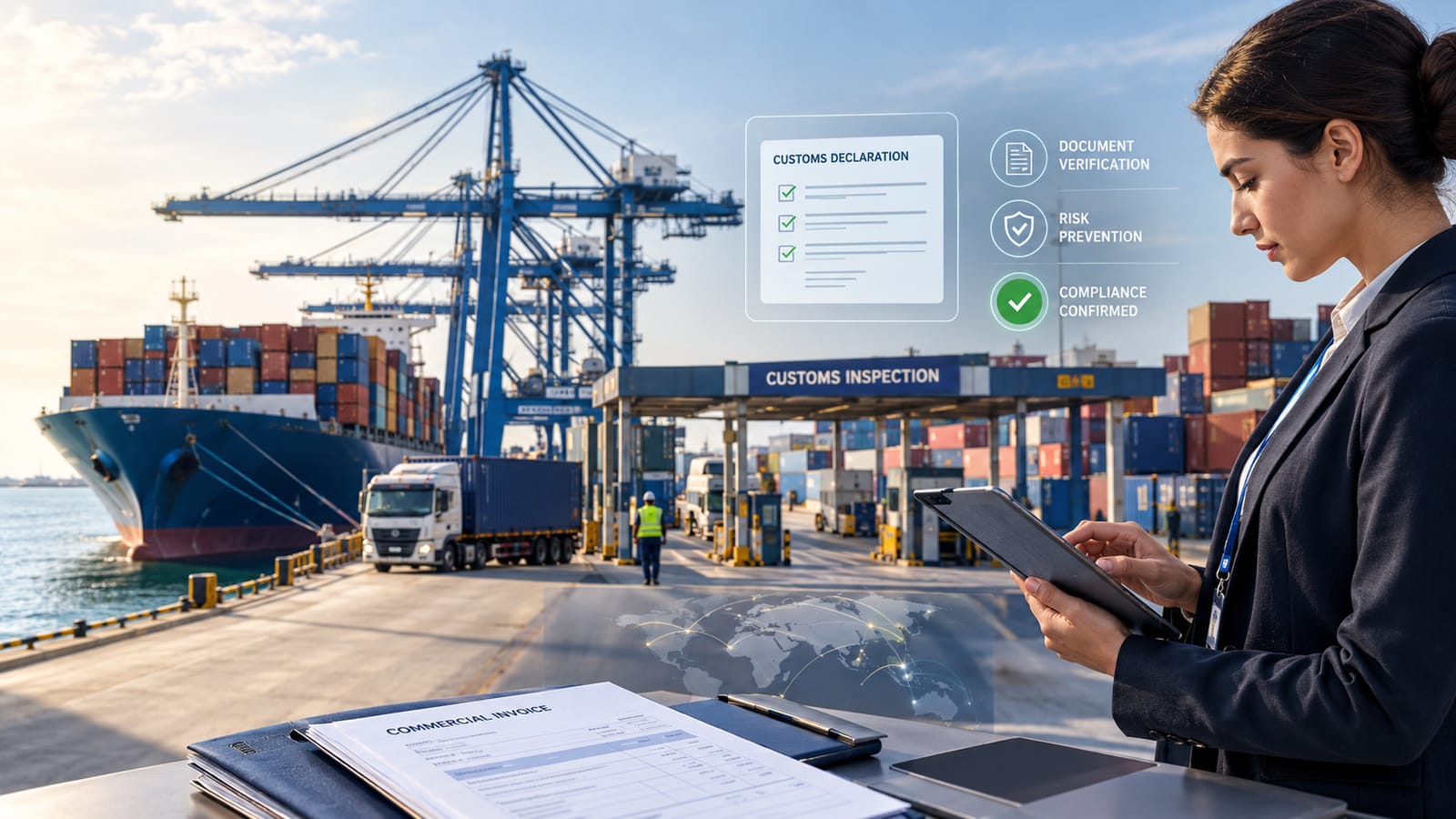
International shipments require more than transportation planning. Businesses must also coordinate commercial invoices, packing lists, certificates of origin, product approvals, customs declarations, and other documents when applicable.
Digital documentation systems can help organize these records, identify missing information, and maintain consistent shipment details across departments.
For regulated goods, compliance checks should take place before cargo is dispatched whenever possible. Importers should verify the applicable product classification, destination-country requirements, and required approvals rather than assuming every shipment follows the same procedure.
How Digital Tools Support Customs Clearance
Digital logistics systems can support customs clearance by improving document availability and communication between importers, customs brokers, and freight forwarders.
Important practices include:
Preparing accurate commercial and shipping documents.
Maintaining consistent product descriptions and shipment quantities.
Monitoring certification status and document expiry dates.
Sharing required records securely with authorized partners.
Tracking customs submission and release milestones.
For businesses importing into Saudi Arabia, the SABER system supports product registration and relevant conformity and shipment certification processes. A product conformity certificate and a shipment certificate serve different purposes, so importers should verify which route applies to their goods.
Businesses can also work with an experienced Saudi customs clearance service provider to coordinate shipping documentation, customs procedures, and applicable import requirements. Combining digital tools with professional clearance support can help reduce avoidable administrative errors.
5. The Role of Digital Logistics in Saudi Arabia
Saudi Arabia's position in international trade makes efficient logistics and regulatory coordination important for importers, exporters, manufacturers, and distributors.
Digital systems can help businesses manage shipment information, coordinate transport providers, and prepare documentation for applicable customs and product compliance procedures.
For example, companies importing regulated commercial products may need to register products, obtain the required conformity documentation, and arrange shipment certification through the relevant SABER process. The specific requirements depend on the product category and applicable technical regulations.
Digital preparation can help importers identify documentation gaps before goods arrive at the border. However, technology alone does not guarantee customs release: accurate declarations, required approvals, and compliance with current regulations remain essential.
Businesses should verify current requirements through official sources, including the SABER platform and the Saudi Standards, Metrology and Quality Organization (SASO).
6. Challenges in Digital Supply Chain Transformation
Despite its benefits, digital logistics implementation can present several challenges.
High Initial Investment
Software subscriptions, system integration, tracking devices, and employee training can require significant investment. Businesses should prioritize solutions that address their most expensive or time-consuming operational problems.
Data Security and Privacy
Logistics platforms may contain commercially sensitive shipment details, supplier information, and customer records. Access controls, secure integrations, regular backups, and appropriate cybersecurity practices are essential.
Integration With Legacy Systems
Older software may not communicate easily with modern platforms. A phased integration strategy and standardized data formats can reduce implementation difficulties.
Employee Training and Change Management
Employees need to understand how new systems affect daily workflows. Clear procedures, practical training, and ongoing support can improve adoption.
Inaccurate or Incomplete Data
Even sophisticated analytics can produce poor recommendations when the underlying data is unreliable. Businesses should establish data ownership, validation rules, and regular quality checks.
7. Best Practices for Implementing Digital Logistics
Companies can make digital transformation more effective by following a structured approach.
Assess existing operations: Identify recurring delays, documentation errors, high freight costs, and inventory problems.
Set measurable objectives: Define targets such as improved delivery performance, fewer data-entry errors, or better inventory accuracy.
Choose suitable technology: Select platforms that fit business size, shipment volume, and operational requirements.
Integrate critical systems: Connect relevant inventory, transportation, order management, and documentation workflows.
Train employees and partners: Ensure users understand the new procedures and responsibilities.
Monitor performance: Review delivery times, logistics costs, order accuracy, and system adoption.
Improve continuously: Use operational feedback to refine processes and expand successful initiatives.
Starting with a focused pilot project can help businesses evaluate results before investing in a company-wide rollout.
8. Future Trends in Digital Logistics
Digital supply chain management will continue evolving as businesses seek better visibility, flexibility, and operational efficiency.
Emerging developments include:
AI-powered logistics planning: More advanced forecasting, scheduling, and disruption management.
Digital twins: Virtual representations of logistics networks that allow companies to evaluate different operational scenarios.
Connected supply chain platforms: Greater data sharing among suppliers, carriers, warehouses, and customers.
Intelligent automation: Expanded use of automated warehouse systems and assisted decision-making.
Sustainable logistics analytics: Better measurement of fuel consumption, transport efficiency, and emissions.
Digital trade documentation: More consistent electronic information exchange across international logistics networks.
These technologies will not eliminate every supply chain risk. Their value will depend on reliable information, practical implementation, and cooperation among supply chain partners.
Conclusion
Digital logistics solutions are transforming global supply chain management by improving shipment visibility, automating repetitive tasks, strengthening inventory control, and supporting better operational decisions. Technologies such as AI, IoT, cloud platforms, and warehouse automation allow businesses to manage increasingly complex international trade networks.
Successful transformation requires more than purchasing new software. Companies must invest in accurate data, employee training, cybersecurity, and integrated workflows. They must also maintain compliance with customs procedures and product regulations in their destination markets.
For businesses trading with Saudi Arabia, combining digital logistics with appropriate customs clearance support and applicable SABER certification procedures can improve coordination and help prevent avoidable shipment delays.
By adopting a practical, measurable digital strategy, businesses can build more efficient, transparent, and resilient global supply chains.