Sustainable planning has become an important consideration in modern residential development. As cities continue to expand and housing requirements increase, the need for environmentally responsible construction and efficient resource management is becoming more significant. Residential developments are no longer evaluated only on the basis of architectural design, location, and available amenities. Factors such as energy efficiency, water conservation, waste management, green spaces, and environmental impact are also influencing the way residential communities are planned.
Sustainable planning focuses on creating residential environments that meet present housing requirements while considering the needs of future generations. It encourages responsible use of natural resources, reduces unnecessary environmental impact, and supports healthier living conditions.
Understanding Sustainable Residential Planning
Sustainable residential planning involves designing and developing housing communities with long-term environmental and social considerations. It includes efficient land utilisation, responsible construction practices, energy-saving systems, water management, and the preservation of natural surroundings.
The objective is to create residential spaces that use resources efficiently while maintaining comfort and functionality. Developers, architects, urban planners, and local authorities all play important roles in implementing sustainable practices.
A well-planned residential development considers the relationship between buildings, open spaces, transportation facilities, and the surrounding environment. This approach can help create more organised neighbourhoods and improve the overall residential experience.
Energy Efficiency in Modern Homes
Energy consumption is an important aspect of residential sustainability. Modern housing designs increasingly consider natural lighting, ventilation, energy-efficient lighting systems, and appliances that consume less electricity.
Proper building orientation and window placement can help maximise natural daylight and improve indoor ventilation. These design considerations may reduce the need for artificial lighting and excessive cooling during certain periods.
Renewable energy solutions, such as rooftop solar panels for suitable common-area requirements, can also support energy efficiency. However, their effectiveness depends on building design, available space, installation quality, and maintenance.
When evaluating residential developments such as Today Nova Vista Navi Mumbai, homebuyers can consider the project's documented sustainability features, energy management provisions, and overall approach to efficient resource utilisation.
Water Conservation and Management
Water conservation is another essential component of sustainable residential development. Growing urban populations place increasing pressure on available water resources, making efficient water management necessary for residential communities.
Rainwater harvesting systems can help collect and store rainwater for suitable non-drinking purposes. Similarly, wastewater treatment and reuse systems can support responsible water consumption when properly designed and maintained.
Residential buildings can also incorporate water-efficient fixtures, leak detection systems, and organised drainage infrastructure. These measures help reduce unnecessary water wastage and improve resource management.
Residents also contribute to water conservation through responsible daily habits. Small practices such as repairing leaking taps, avoiding unnecessary water usage, and following community water management guidelines can collectively make a difference.
The Role of Green Spaces and Natural Surroundings
Green spaces contribute significantly to the environmental quality of residential neighbourhoods. Landscaped gardens, trees, open spaces, and recreational areas can improve the appearance of a residential environment while providing opportunities for outdoor activities.
Vegetation can also help provide shade, support local biodiversity, and reduce heat absorption in suitable urban settings. Proper landscape planning should consider native plant species, soil conditions, irrigation requirements, and long-term maintenance.
In established urban regions such as Thane, sustainable landscaping and responsible development practices are important considerations when planning residential communities. While exploring residential options such as Rustomjee Thane West, buyers can examine the available open spaces, landscaping provisions, and environmental features mentioned in verified project information.
Sustainable Construction Materials and Building Practices
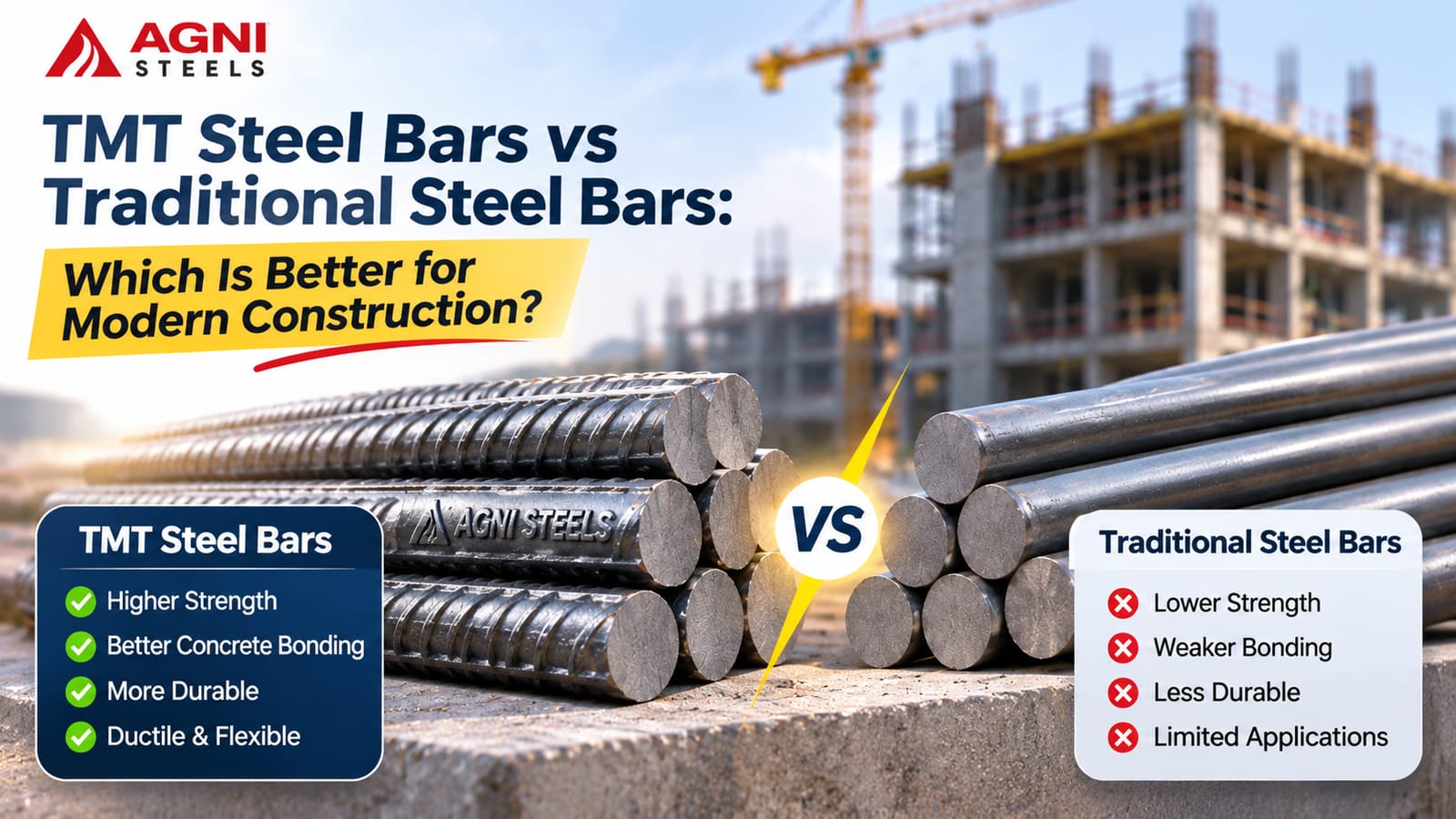
Construction materials have an important influence on the environmental impact of residential developments. Traditional construction processes can involve significant energy consumption, transportation requirements, and material wastage.
Sustainable construction encourages the responsible selection and use of materials. Recycled materials, locally sourced products where appropriate, durable building components, and efficient construction techniques can help reduce unnecessary resource consumption.
Proper construction waste management is equally important. Segregating materials, reusing suitable construction resources, and following authorised waste disposal practices can support more responsible building activities.
Architectural planning should also consider durability, maintenance requirements, and the long-term performance of building materials.
Waste Management in Residential Communities
Waste management is essential for maintaining clean and organised residential environments. As residential populations increase, communities need effective systems for collecting, segregating, and disposing of different types of waste.
Segregation of wet waste, dry waste, and recyclable materials at the source can improve waste processing. Composting suitable organic waste can also reduce the amount of waste sent to disposal facilities.
Modern residential planning should consider designated waste collection areas, regular disposal arrangements, and awareness programmes for residents.
These practices become more effective when residents, property management teams, and local authorities work together to maintain responsible waste management systems.
Sustainable Development in Emerging Residential Locations
As urban regions expand, residential development is increasingly taking place in emerging locations. Such areas require careful planning to ensure that housing growth is supported by suitable infrastructure, transportation connectivity, civic services, and environmental management.
Locations around Karjat are also part of the wider conversation about residential growth beyond established urban centres. While considering options such as Sugee Project Karjat, homebuyers can evaluate the surrounding natural environment, existing infrastructure, water availability, transportation facilities, and the project's documented environmental planning provisions.
Understanding these factors helps buyers assess whether a residential location offers practical suitability for their lifestyle and long-term requirements.
Technology and Sustainable Residential Living
Technology is creating new opportunities for improving resource management in residential buildings. Smart electricity monitoring, automated lighting, energy-efficient security systems, and water management solutions can help residents and property managers monitor resource consumption.
Building management systems can also support the monitoring of common facilities and help identify operational inefficiencies.
However, technology alone cannot ensure sustainability. Proper installation, regular maintenance, responsible usage, and awareness among residents are equally important for achieving practical results.
Residential planning should also consider accessibility, safety, and the long-term usability of shared facilities.
Conclusion
Sustainable planning is becoming an important part of modern residential development. Energy efficiency, water conservation, green spaces, responsible construction, and organised waste management all contribute to environmentally conscious housing.
For homebuyers exploring developments such as House of Hiranandani Thane West, understanding sustainability-related planning and verifying the available environmental features can be a useful part of the property evaluation process.
Ultimately, sustainable residential development requires cooperation between developers, planners, residents, and local authorities. By adopting responsible practices and prioritising efficient resource management, residential communities can support healthier living environments and more balanced urban growth.