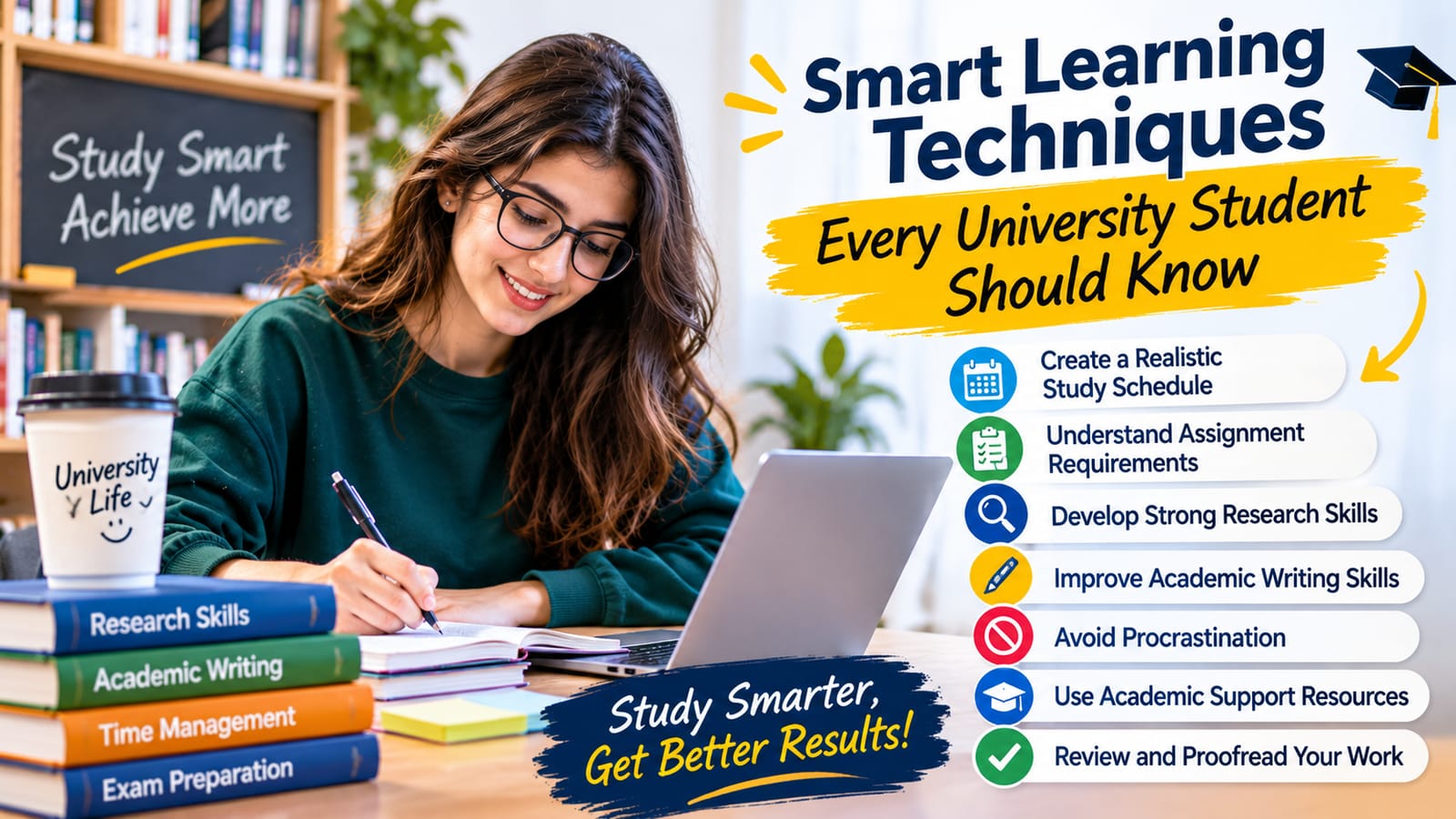
University education plays an important role in preparing students for professional life. However, achieving good academic results is only one part of building a successful career. Employers also look for communication abilities, teamwork, adaptability and practical problem-solving skills. Students who explore assignment help uk and other academic resources can improve their understanding of complex subjects while developing the knowledge required for their future professions. Combining academic learning with career preparation can help university students become more confident and competitive in the modern employment market.
Understand the Skills Employers Expect
Before preparing for a professional career, students should understand what employers expect from potential employees. Different industries require different technical abilities, but several transferable skills are valuable across almost every profession. Communication, organisation, critical thinking, teamwork and time management are among the most important examples. Employers appreciate graduates who can explain their ideas clearly, complete responsibilities independently and cooperate with colleagues. Students should research job descriptions within their chosen industries to identify commonly requested qualifications and abilities. This information can help them understand which skills they already possess and which areas require further development. Creating a personal development plan is a useful starting point. It allows students to establish realistic goals and monitor their progress throughout university.
Gain Practical Experience During University
Practical experience allows students to understand how professional environments operate. Although academic knowledge provides a strong foundation, applying that knowledge to real situations helps develop workplace confidence. Internships, part-time employment, volunteering and university projects can provide valuable opportunities to gain experience. For example, a business student might work with a local organisation to understand customer service operations, while a computer science student could participate in a software development project. Students should not underestimate smaller opportunities. Organising university events, supporting student societies and participating in community activities can also demonstrate responsibility, leadership and teamwork. Keeping a record of these experiences makes it easier to identify achievements and provide examples during future job interviews.
Improve Communication and Presentation Skills
Effective communication is essential in professional environments. Employees regularly exchange information through meetings, emails, presentations and discussions with colleagues or customers. University students can improve these abilities by participating in classroom discussions, group assignments and academic presentations. These activities encourage learners to express their opinions clearly and listen carefully to alternative viewpoints. Written communication is equally important. Students should practise producing professional emails, structured reports and clear explanations. Correct grammar, appropriate language and logical organisation can make communication more effective. Students who need additional academic guidance can explore assignment help uk resources to understand academic writing structures, improve their presentation of arguments and develop stronger written communication habits.
Build a Professional Network
Networking allows students to establish connections with people who have experience in their preferred industries. These relationships can provide useful insights into career opportunities, workplace expectations and professional development. University career fairs, industry seminars, alumni events and professional workshops are excellent places to meet employers and experienced professionals. LinkedIn is another useful platform for developing professional connections. Students can create a detailed profile highlighting their education, relevant skills, projects and work experience. However, networking should focus on building genuine professional relationships rather than simply collecting contacts. Asking thoughtful questions, participating in discussions and maintaining professional communication can create meaningful connections over time.
Develop Digital and Technical Competencies
Technology has become an essential part of modern workplaces. Many organisations rely on digital tools to manage information, communicate with customers and complete everyday responsibilities. Students should become familiar with software and applications relevant to their chosen careers. For example, finance students may benefit from spreadsheet and data analysis skills, while marketing students can explore content management systems and digital analytics platforms. Basic digital literacy is also valuable. Understanding online security, managing electronic documents and communicating through professional platforms can improve workplace efficiency. Students can develop these abilities through online courses, practical projects and university training programmes. Adding relevant certifications to a CV may also help demonstrate commitment to continuous learning.
Create an Effective CV and Prepare for Interviews
A professional CV introduces a candidate's qualifications, experience and achievements to potential employers. Students should create a clear document that highlights their education, transferable skills, practical experience and relevant projects. Instead of listing general responsibilities, candidates should explain what they achieved through their activities. For example, describing how they coordinated a university event or contributed to a successful group project provides more meaningful information. Interview preparation is another important aspect of career development. Students should research the organisation, understand the advertised position and prepare examples demonstrating their abilities. Practising common interview questions can improve confidence and help candidates communicate their experiences more effectively.
Balance Academic Responsibilities with Career Preparation
Managing career development alongside university coursework requires effective planning. Students should avoid leaving professional preparation until their final semester. A weekly schedule can help learners allocate time for lectures, assignments, internships, networking and skill development. Breaking larger career goals into smaller activities makes progress easier to manage. When academic responsibilities become demanding, students should use available university resources and organise their coursework carefully. Additional guidance through assignment help uk can help learners understand difficult subjects and approach academic tasks with greater confidence. Maintaining a balance between education and professional development ensures that students do not neglect either responsibility.
Continue Learning After Graduation
Career development does not end when students receive their degrees. Industries continue to change, and professionals must regularly update their knowledge to remain effective. Graduates can benefit from professional certifications, industry publications, training programmes and specialist workshops. Learning new technologies and understanding emerging industry trends can create additional career opportunities. Developing a habit of continuous learning also demonstrates curiosity and adaptability, qualities that employers increasingly appreciate. Students can begin building this mindset during university by exploring new subjects, seeking constructive feedback and using assignment help uk resources when additional academic explanations are needed.
Conclusion
Preparing for a successful career requires more than earning a university qualification. Students should develop practical experience, strengthen communication abilities, build professional networks and improve their technical knowledge before graduation. Creating a strong CV and preparing for interviews can further improve employment opportunities. By combining academic learning with consistent professional development, university students can become more confident and workplace-ready graduates. Making use of appropriate academic resources, including assignment help uk, can also support their educational progress while they work towards long-term career goals.