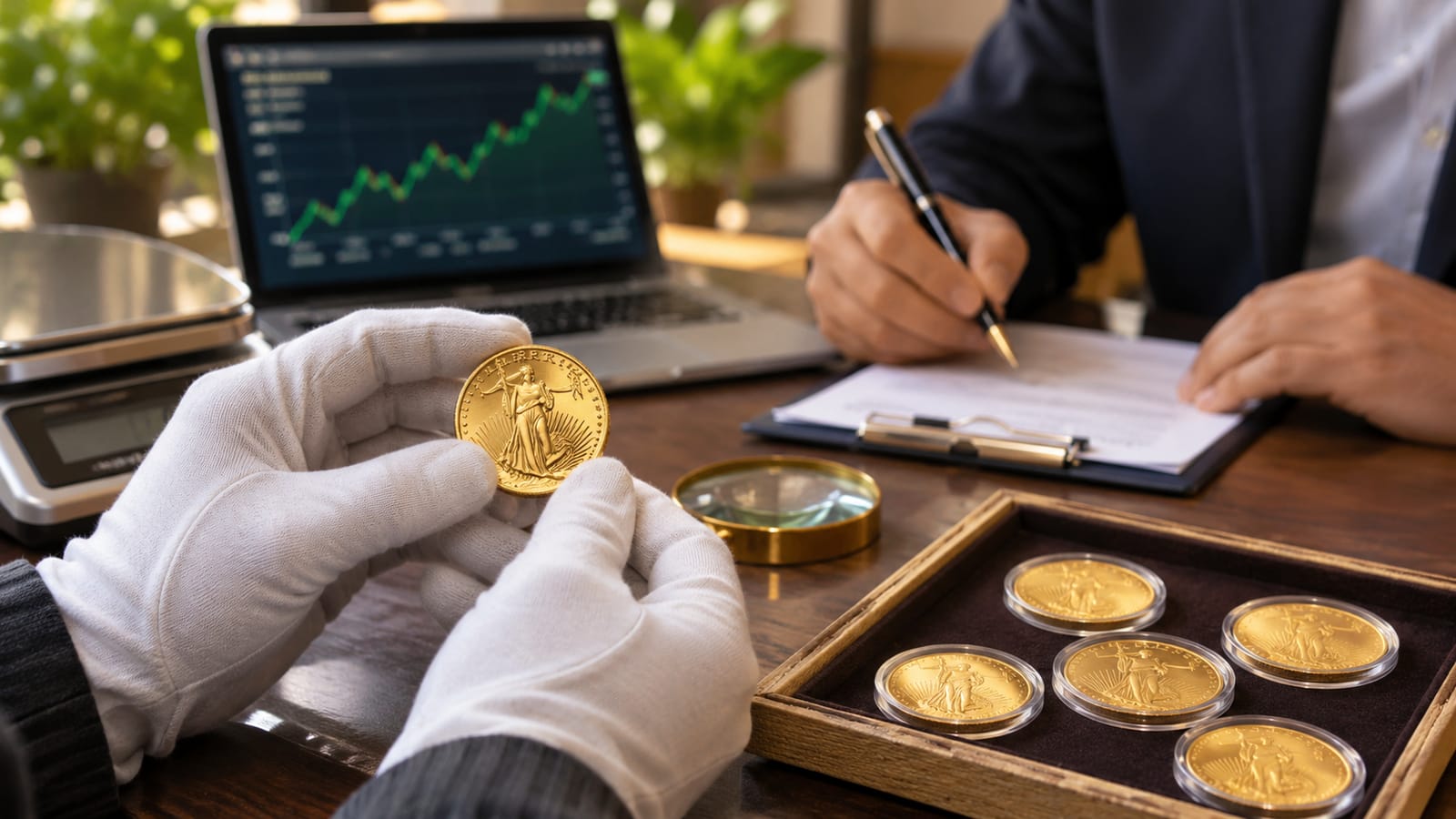
Selling gold coins can be a good way to turn a collection or investment into cash. However, getting a fair price takes more than checking the current gold rate and visiting the nearest buyer. Some coins are worth considerably more than their gold content because of their rarity, condition, age, or collector demand. Others are valued mainly for their precious metal content.
Whether you are a coin collector, gold investor, estate seller, or someone selling a few inherited coins, understanding what affects their value can help you avoid accepting a low offer. A little preparation, some market research, and comparisons between reputable coin dealers can make a meaningful difference.
1. Understand What Your Gold Coins Are Worth
Before approaching coin shops or individual buyers, learn how gold coins are valued. Their selling price generally depends on two main factors: their gold content and their collectible value.
Gold Content and Melt Value
Melt value refers to the estimated value of the actual gold in a coin. It is calculated using its gold weight, purity, and the current market price of gold.
For example, a coin containing one troy ounce of pure gold has a different metal value from a coin containing half an ounce. The purity also matters. A coin made from 22-karat gold contains a different proportion of pure gold than one made from 24-karat gold.
Remember that the spot price is not necessarily the amount a buyer will pay. Dealers generally purchase below the spot price because they need to account for operating costs, market risks, and resale margins.
Collector or Numismatic Value
Some gold coins are worth more than their metal content. Their additional value may come from:
Rarity: Coins with limited mintages or fewer surviving examples may attract collector interest.
Condition: Coins with better-preserved details and surfaces can command higher prices.
Historical significance: Certain dates, mint marks, and historical issues may be especially desirable.
Collector demand: Popular coins can attract stronger competition among buyers.
The American Numismatic Association explains that a coin's collectible value depends on rarity, condition, and market demand. This is why two coins with similar gold content may receive very different offers.
2. Check the Current Gold Price Before Selling
Gold prices change regularly, so it is important to understand the market before accepting an offer. Checking the current spot price gives you a useful starting point for estimating the metal value of your coins.
However, do not assume that every gold coin should sell at the same rate as its gold content. A rare collectible coin may have additional value, while a common bullion coin may be priced more closely to its gold weight.
Before contacting a gold coin buyer, take these steps:
Check the current gold spot price from a reliable market source.
Identify the coin's weight and gold purity.
Estimate its approximate melt value.
Research whether the coin has collectible demand.
Compare the buyer's offer with your research.
This process helps you understand whether an offer is reasonable instead of relying entirely on what a buyer tells you.
3. Identify the Type, Date, and Mint Mark of Your Coins
The details stamped on a gold coin can have a significant effect on its value. Even coins that look almost identical may have different market prices because of their year of issue, mint mark, or variety.
For example, certain older U.S. gold coins may attract collectors because of their historical importance or limited availability. Modern bullion coins, on the other hand, are often valued mainly for their gold content, although some dates and special issues may carry additional premiums.
Before visiting coin stores, try to identify:
The coin's country of origin.
Its denomination and year of issue.
Any mint mark or special design variation.
Its stated gold weight and purity.
Whether it is a bullion coin or a collectible issue.
If you cannot identify a coin, avoid guessing or cleaning it to make the details more visible. A knowledgeable coin dealer can help examine it and explain its potential market value.
4. Pay Attention to Coin Condition and Grading
Condition is one of the most important factors in determining a collectible coin's value. Scratches, worn details, dents, discoloration, and previous cleaning can affect how collectors view a coin.
Read More About: 5 Top Benefits of Selling Scrap Gold for Instant Cash
Professional grading services assess coins based on their physical condition and other characteristics. Graded coins are generally placed in protective holders with an assigned grade, which can help buyers understand their condition.
If your coins are not professionally graded, do not assume that grading will automatically increase their selling price. The cost of grading, shipping, insurance, and the coin's expected market value should all be considered first.
Keep these points in mind:
Avoid polishing or cleaning gold coins.
Handle coins carefully, preferably by their edges.
Keep professionally graded coins in their original holders.
Store loose coins in suitable protective holders.
Do not remove coins from certified packaging without a good reason.
Even a small amount of unnecessary handling can affect a coin's condition. Keeping it protected helps preserve its existing appeal.
5. Compare Offers From Multiple Coin Dealers
One of the most practical ways to get a better selling price is to compare offers. Do not feel pressured to accept the first quote, especially if you are selling several coins or an inherited collection.
Different coin shops and coin dealers may have different customer bases, inventory needs, and resale opportunities. One buyer may be more interested in bullion, while another may specialize in rare or collectible coins.
When comparing offers, ask each buyer:
How did you calculate the coin's value?
Is the offer based on gold content or collector demand?
Are there any appraisal, testing, or transaction fees?
Is the quoted amount final?
How and when will payment be made?
Try to compare offers for the same coins under similar conditions. A buyer who gives a detailed explanation of the valuation is often easier to evaluate than someone who provides only a total amount without explaining the calculation.
6. Choose a Reputable Gold Coin Buyer
A high offer is not the only thing to consider when selling. You should also look at the buyer's reputation, experience, transparency, and willingness to explain the transaction.
The Commodity Futures Trading Commission (CFTC) advises consumers to research precious metals dealers, understand pricing and dealer spreads, and ask about costs before entering a transaction. Although its guidance focuses on precious metals purchases, the same awareness of pricing and transparency is useful when evaluating buyers.
Look for a business that:
Has an established business presence and verifiable contact information.
Explains how it evaluates gold coins.
Is willing to answer questions about pricing.
Provides clear payment terms.
Does not pressure you into making an immediate decision.
When searching online for a coin shop or coin shops near me, read customer feedback carefully. Look for comments about communication, professionalism, and the clarity of the valuation process rather than relying only on star ratings.
7. Decide Whether to Sell to a Dealer or Through an Auction
The best selling method depends on the type of coins you own, how quickly you need payment, and how much effort you are willing to put into the process.
Selling directly to a dealer is often more convenient. You can have your coins examined, receive an offer, and decide whether to accept it. However, a dealer's offer will generally be below the expected retail selling price because the business needs room for resale costs and profit.
An auction may be worth considering for particularly rare or desirable coins. It can connect your collection with interested collectors, but auction fees, commissions, shipping, insurance, and the time required to complete the sale should be considered.
For common bullion coins, a direct dealer sale may be more straightforward. For rare or historically significant pieces, getting an expert evaluation before choosing a selling method can be worthwhile.
8. Avoid Common Mistakes That Can Reduce Your Selling Price
Even experienced sellers can overlook important details when selling gold coins. First-time sellers and estate sellers should be especially careful because they may not know whether their coins have collectible value.
Some mistakes to avoid include:
Accepting the first offer: Compare more than one buyer before making a final decision.
Ignoring collector value: Do not assume a rare coin is worth only its gold weight.
Cleaning the coins: Polishing can damage the original surface and reduce collector appeal.
Relying only on online estimates: Online price guides are useful references, but they cannot replace a physical examination.
Ignoring fees: Ask whether any appraisal, auction, or transaction charges will reduce your final payment.
Selling under pressure: Be cautious of buyers who create urgency or refuse to explain their offer.
The American Numismatic Association also recommends learning the approximate value of a collection before selling and considering more than one dealer when a collection may be particularly valuable.
Who Should Take Extra Care When Selling Gold Coins?
Different sellers may have different priorities, but understanding the coin's value is important for everyone.
Gold Investors: Compare the current gold price with the coin's weight, purity, and resale value before selling.
Coin Collectors: Research rarity, grading, and collector demand so that valuable pieces are not treated as ordinary bullion.
Estate Sellers: Have inherited collections examined carefully before deciding to sell individual coins or the entire collection.
Everyday Sellers: Learn the basics of gold purity and pricing before accepting an offer.
First-Time Sellers: Ask questions, compare buyers, and take enough time to understand the transaction.
Read More:
October 2026 Gold Prices: The Impact of Rising Treasury Yields
1 oz American Gold Eagle Coin Price: What Determines Its Value?
Dental Gold Value: How Much Is Your Old Crown or Bridge Worth?
Gold Grams vs Ounces: Which Is the Better Investment Choice?
Final Thoughts: Get a Fair Price for Your Gold Coins
Getting the best price for gold coins starts with knowing what you own. Check the gold content, research collectible value, understand current market prices, and compare offers before deciding where to sell. Choosing an experienced and transparent buyer can also help you avoid common selling mistakes and make a more informed decision.
BEHR Gold, Coins & Jewelry helps customers explore gold, silver, coins, jewelry, and currency services. If you are looking for a Sacramento gold coin buyer, the team can help you understand your options and avoid the biggest mistakes new collectors make when buying from coin stores. Whether you are a gold investor, coin collector, estate seller, or first-time seller, taking time to understand the value of your items is an important first step.
Our Core Services:
BEHR Gold, Coins & Jewelry offers:
Visit BEHR Gold, Coins & Jewelry to learn more about the available services.
#SellingGoldCoins #GoldCoins #CoinCollecting #RareCoins #GoldInvesting #PreciousMetals #CoinDealers #GoldBuyer