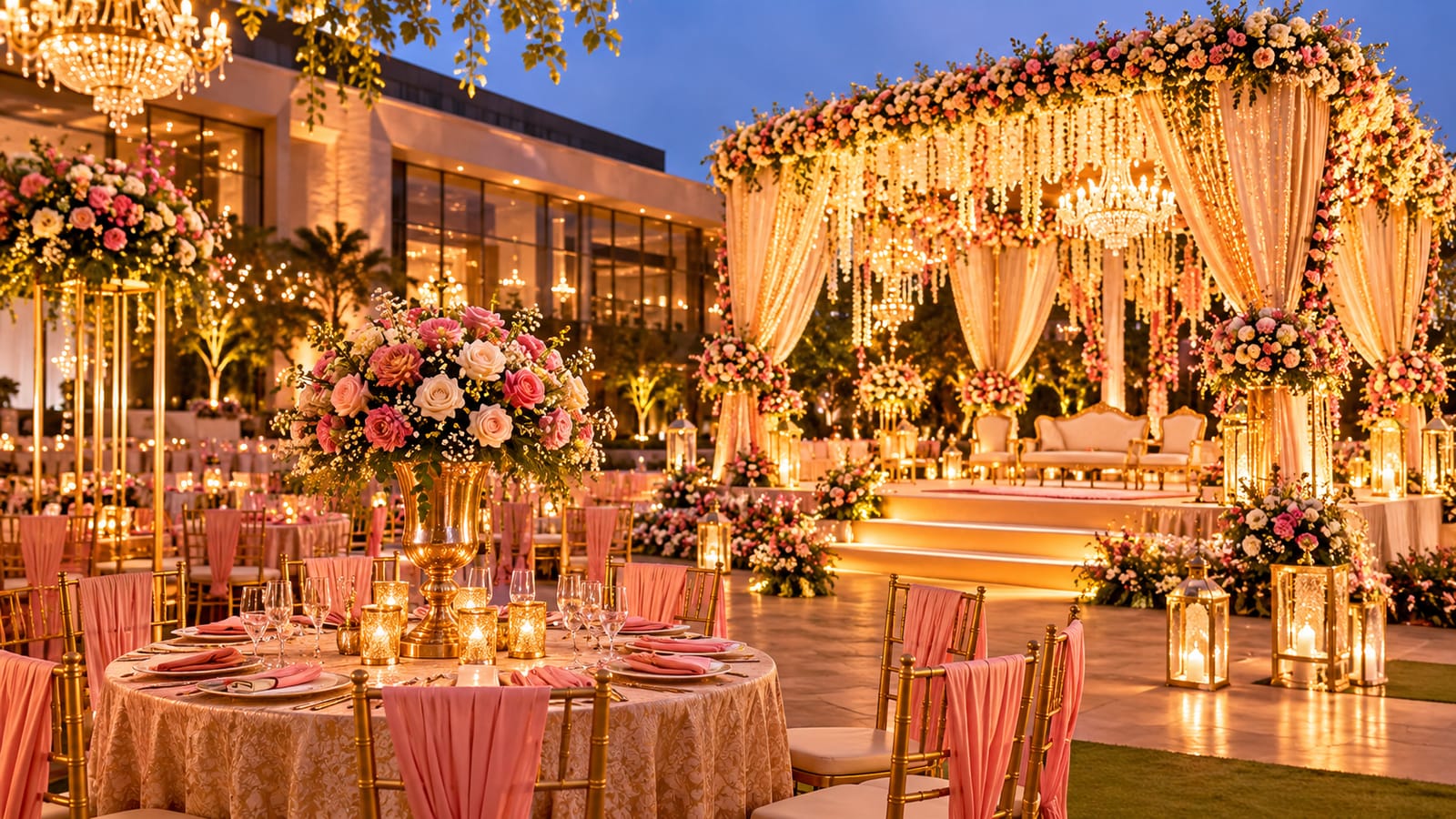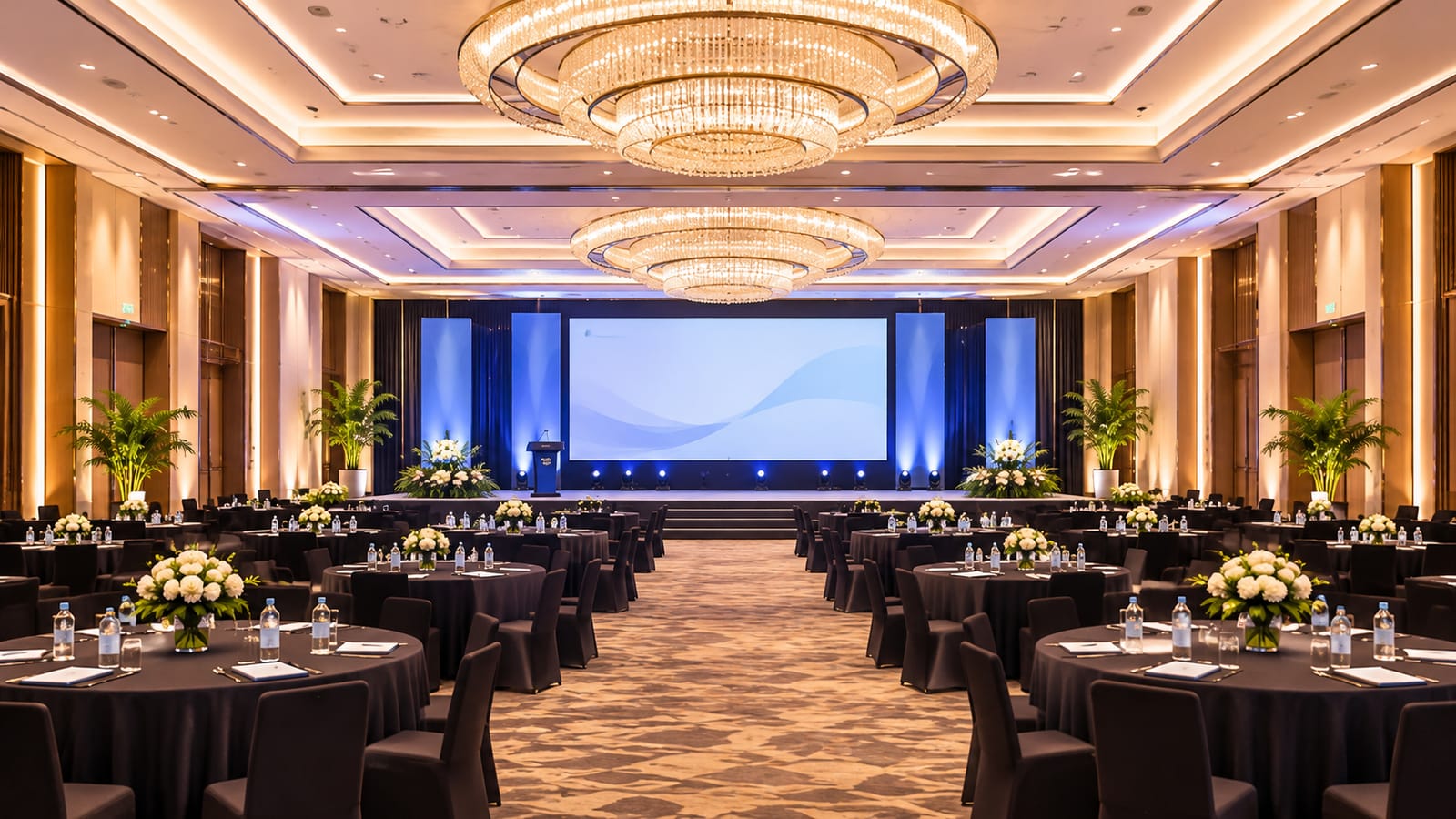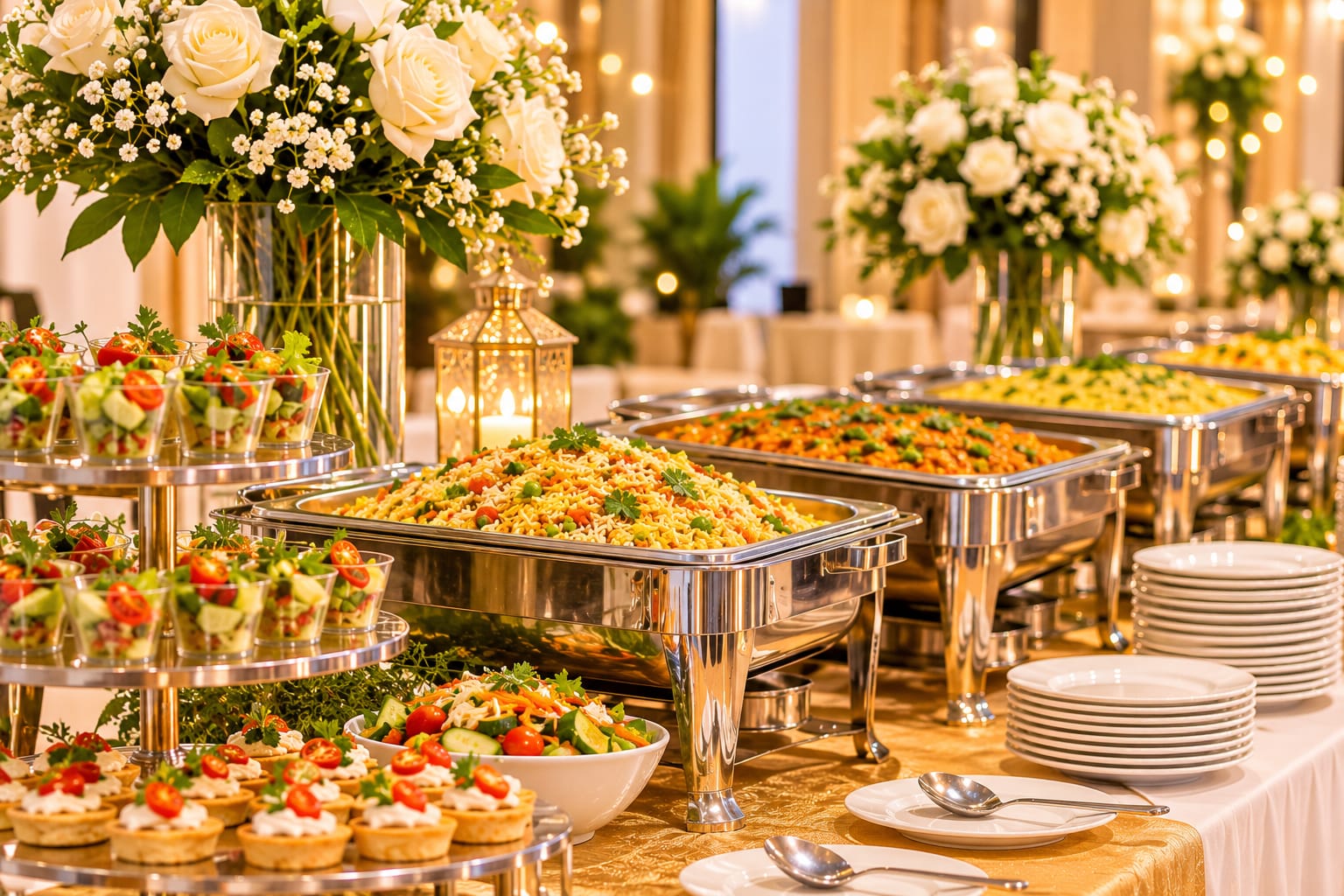
A grand Indian wedding involves hundreds of decisions, but some have a much bigger influence on the guest experience than others. The venue, decor, music, and entertainment may create the atmosphere, but the food brings everyone together. Guests may forget the exact floral arrangements or stage design, but they are likely to remember a delicious meal, a beautifully presented food counter and the warmth of the hospitality.
This is why choosing the right catering partner deserves more attention than simply comparing menus and quotations. With several catering services in Mumbai offering different cuisines, packages and arrangements, finding a team that understands the scale and expectations of an Indian wedding requires careful consideration.
A good catering partner does more than prepare food. They understand family preferences, manage large gatherings, coordinate service and ensure that the dining experience remains enjoyable throughout the celebration.
Here are the important factors to consider before making that decision.
1. Look Beyond the Menu and Understand Their Experience
An attractive menu is a good starting point, but it doesn't tell you everything about a caterer's capabilities.
Indian weddings involve multiple functions, different guest groups and changing food requirements. A team that handles an intimate engagement ceremony may have a very different operational setup from one managing a large wedding reception with several hundred or thousand guests.
Before finalising a caterer, understand the kind of events they have handled previously.
Ask about their experience with:
Large-scale wedding receptions.
Multi-day wedding celebrations.
Destination and outdoor weddings.
Traditional Jain and pure vegetarian functions.
Corporate and social gatherings.
Events involving multiple cuisines and live food counters.
Previous experience with similar celebrations gives you a better understanding of how the team handles preparation, coordination and service.
It is also useful to discuss the challenges they have encountered during large events and how they managed them. Their answers can reveal much more than a presentation or a sample menu.
2. Evaluate Their Ability to Customise the Menu
No two Indian weddings are exactly alike. Food preferences often reflect regional traditions, family backgrounds and personal choices.
A Gujarati wedding may call for an extensive traditional spread, while a North Indian celebration might focus on rich gravies, tandoori preparations and familiar regional favourites. Some families may prefer an entirely Jain menu, while others may want a combination of Indian and international vegetarian cuisines.
The right catering partner should understand these preferences before recommending a menu.
Look for a team that can offer:
Regional Indian specialities.
Traditional Jain and pure vegetarian preparations.
North Indian, South Indian and Gujarati cuisines.
International vegetarian options.
Customised starters and main-course combinations.
Special menus for different wedding functions.
However, customisation should not mean adding as many dishes as possible. An experienced catering team should help identify what works well together, where variety is needed and which dishes may be unnecessary.
The objective is to create a menu that feels personal to the families while remaining practical for the scale of the celebration.
3. Check Their Ability to Manage Large Guest Counts
Managing food for 100 guests and managing it for 1,000 guests are two very different responsibilities.
As the guest count increases, the operational requirements become more demanding. Food preparation, counter arrangements, staff allocation, and replenishment schedules all need careful planning.
A catering partner should be able to explain how they manage these requirements, not just assure you they can handle large events.
Here are some important things to discuss:
How many chefs and service staff will be present?
How many food counters will be required?
How will food be replenished during peak dining hours?
What arrangements are available for unexpected increases in guest count?
How will multiple wedding functions be managed?
Also, ask whether they have handled events of a similar scale before.
For example, Jain Caterers has experience managing large gatherings, including serving 10 lakh people across four days at JITO Mumbai events and over 20,000 people at individual Pratistha Mahotsav celebrations. This experience indicates the operational planning required for large-scale food service.
4. Pay Attention to Food Quality, Ingredients and Hygiene
When planning a grand wedding, it is easy to get caught up in the variety of dishes and the visual appeal of food counters. However, ingredient quality and food preparation should remain a priority.
Fresh ingredients, appropriate storage, hygienic preparation and consistent cooking practices all contribute to the final dining experience.
During your discussions, understand how the caterer manages these aspects.
Some useful questions include:
How are ingredients sourced and stored?
How is freshness maintained during large events?
What hygiene practices do you follow in the kitchen?
How are food temperatures maintained during service?
How is consistency maintained across multiple counters?
If the wedding involves specific dietary requirements, such as Jain food or no-onion-and-garlic preparations, discuss how these dishes will be prepared and handled.
A professional catering team should be able to explain its food preparation practices clearly. These details may not be visible in the final presentation, but they directly affect the quality of the experience.
5. Evaluate Presentation and Overall Dining Experience
At a grand Indian wedding, food presentation contributes significantly to the celebration's atmosphere.
Guests often encounter the dining area before they taste anything. The arrangement of counters, display of dishes, serving vessels and overall visual coordination create an impression of the care invested in the event.
This is why presentation should be considered alongside culinary quality when evaluating the best caterers in Mumbai for weddings.
Look at how the catering team approaches different aspects of presentation:
Food Counter Design
Counters should complement the wedding's overall theme and decor. Elegant displays, coordinated styling and thoughtful arrangements can make the dining area feel like a natural extension of the celebration.
Live Food Stations
Live counters introduce movement and interaction. Freshly prepared chaat, dosas, pasta and tandoori selections can make dining more engaging.
Serving Arrangements
The choice of crockery, serving equipment and display arrangements should reflect the scale and style of the wedding.
Staff Presentation
Well-groomed, attentive and professionally trained staff contribute to the overall impression of hospitality.
Remember, presentation should enhance the food rather than distract from it. A beautifully decorated counter is only successful when the food and service behind it are equally good.
6. Attend a Food Tasting Before Finalising the Caterer
A menu can sound impressive on paper, but the actual experience may be quite different.
A tasting session allows families to evaluate the food before making a significant commitment. It is also an opportunity to understand how the caterer responds to feedback and whether they are willing to make adjustments.
During the tasting, pay attention to more than just the flavour.
Consider the following:
Taste and consistency: Are the dishes well-balanced? Do the flavours feel authentic and appropriate for the selected cuisine?
Ingredient quality: Are the vegetables, dairy products and other ingredients fresh?
Presentation: Does the food look as appealing as it tastes?
Portion sizes: Are the portions suitable for the planned serving style?
Customisation: Can the chef adjust spice levels, ingredients, or preparation methods to match family preferences?
It is also worth tasting dishes from different categories rather than focusing only on the signature preparations.
A good tasting session should feel like a collaborative discussion. The caterer should understand what the family enjoys and use that feedback to refine the final menu.
7. Discuss Pricing, Inclusions and Event Logistics Clearly
Budget discussions are an essential part of choosing a catering partner. However, selecting a caterer based entirely on the lowest per-plate quotation can sometimes create problems later.
Two quotations may look similar at first glance but include very different services.
One may cover only food preparation and basic service, while another may include live counters, specialised presentations, additional staff and other arrangements.
Before confirming, request a clear cost breakdown.
Discuss:
Per-plate pricing and applicable taxes.
Number and variety of dishes included.
Additional charges for live counters.
Service staff and equipment arrangements.
Transportation and venue setup costs.
Charges for additional guests or extended service hours.
Payment schedules and cancellation terms.
You should also discuss the event timeline, venue access, kitchen facilities and coordination with the wedding planner.
For outdoor weddings, logistics become particularly important. The team may need to plan food preparation areas, equipment transportation, water supply and arrangements for changing weather conditions.
Clear communication at this stage helps prevent misunderstandings closer to the wedding date.
8. Choose a Team That Understands Hospitality, Not Just Catering
There is an important difference between a team that serves food and one that understands the experience of hosting a wedding.
Indian weddings involve guests across different age groups, cultural backgrounds and dietary preferences. Some may need assistance with food selections, while others may have specific requirements or prefer a particular style of service.
A dependable catering partner understands these expectations.
Look for a team that listens patiently, communicates clearly and is willing to coordinate with the other professionals involved in the celebration.
This includes the wedding planner, venue management, decorators and event coordinators.
The team should also have a clear point of contact who can address last-minute changes and operational requirements.
Ultimately, families should be able to enjoy their celebrations without constantly worrying about whether the food counters are functioning or guests are being served on time.
That peace of mind is an important part of what professional catering brings to a wedding.
Why the Right Catering Partner Makes All the Difference
Choosing a wedding caterer is ultimately about finding a team that can bring your expectations to life through food, presentation and hospitality.
With over 21 years of experience, Jain Caterers brings together traditional vegetarian cuisine, Jain specialities and contemporary fusion preparations for grand weddings and celebrations. Its approach focuses on personalised menus, premium ingredients, elegant presentation and coordinated event execution.
The brand also operates Kiaraa Banquet in Thane and Maxus Banquets in Mira Bhayandar, offering venue options for families planning their celebrations alongside their catering requirements.
Conclusion
A grand Indian wedding deserves a catering experience that reflects the importance of the occasion. From menu customisation and food quality to presentation, service, and large-scale coordination, every detail shapes how guests experience the celebration.
Rather than deciding based solely on the number of dishes or the quoted price, take the time to understand the caterer's experience, working style, and ability to manage your expectations.
The right catering partner will not simply deliver a meal. They will help create an experience that brings people together, celebrates family traditions and leaves guests with memories worth sharing.
For families exploring catering services in Mumbai, Jain Caterers offers an opportunity to plan personalised vegetarian, Jain and fusion catering experiences with a focus on quality, creativity and thoughtful hospitality.