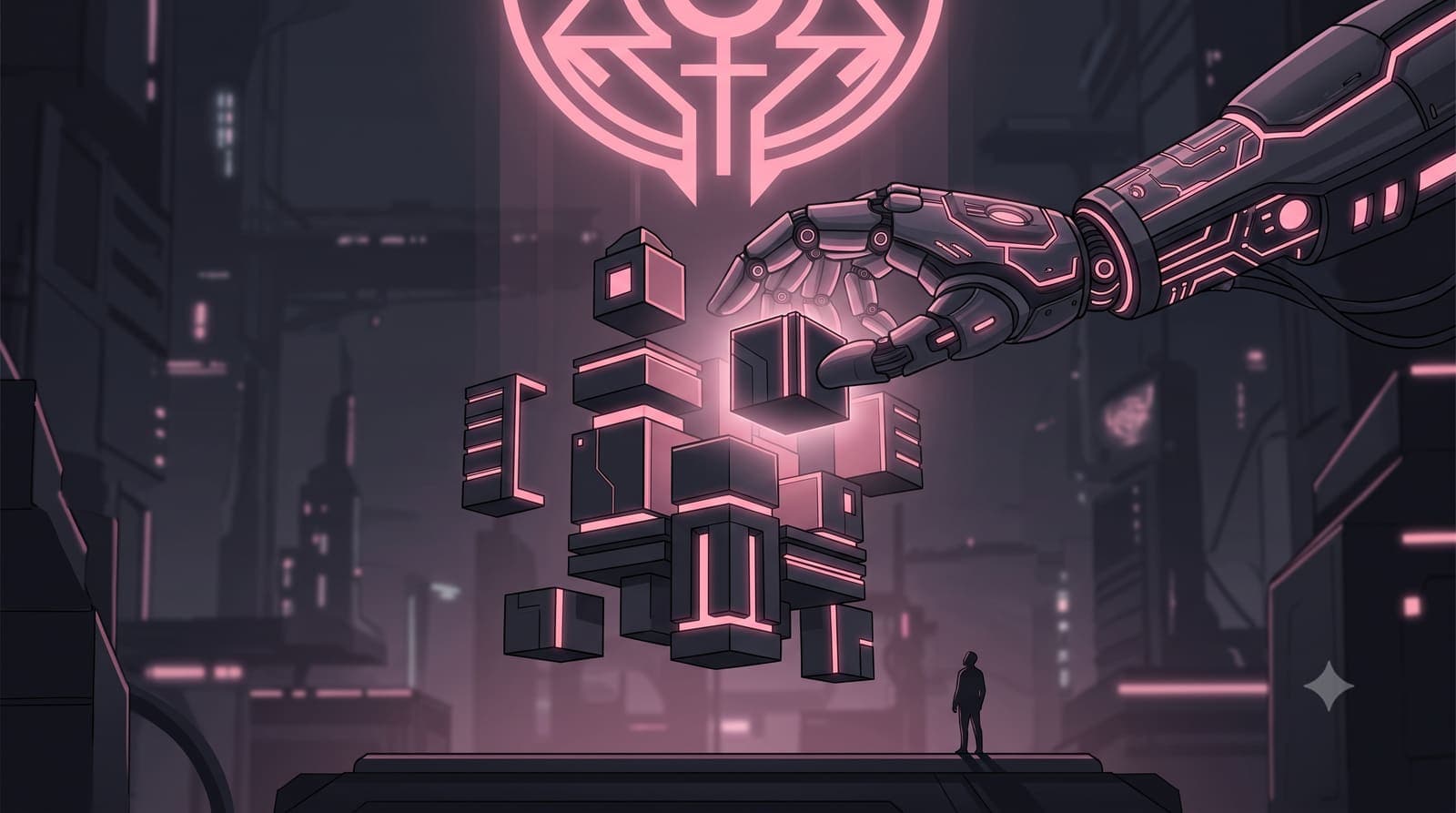
The rules of building software have changed.
Just a few years ago, creating a SaaS product required a full development team, months of coding, and significant capital. In 2026, that barrier has collapsed. With AI and no-code tools, a single creator can go from idea to a revenue-generating product in days—not months.
The real question is no longer “Can you build a SaaS?”
It’s “How fast can you launch one?”
What Does No-Code AI SaaS Mean?
A no-code AI SaaS is a software product built using visual development platforms, AI-powered tools, and cloud infrastructure that scales automatically.
Instead of writing backend logic, you design workflows.
Instead of hiring developers, you combine tools.
Step 1: Start with a Problem
Most SaaS products fail because they start with features instead of real problems.
Focus on:
Tasks that can be automated using AI
Repetitive workflows
Time-consuming processes
Examples include AI resume builders, automated content generators, and social media tools.
Step 2: Choose the Right Stack
Your stack replaces traditional development.
Frontend tools:
Bubble
Webflow
Framer
Backend and database:
Airtable
Firebase
Supabase
AI integration:
OpenAI or similar APIs
Automation tools like Zapier or Make
The goal is to connect tools, not build everything from scratch.
Step 3: Make AI the Core Feature
AI should be central to your product, not an add-on.
For example:
AI generates content that users refine
AI analyzes data and provides insights
AI automates repetitive tasks
The stronger the core value, the higher the chances of success.
Step 4: Build a Simple MVP
Your first version should be minimal.
It should:
Solve one clear problem
Have one primary feature
Be usable within minutes
Avoid overbuilding. Launch early and improve later.
Step 5: Add Users and Payments
To turn your product into a SaaS, you need:
User authentication (login and signup)
Subscription or payment system
Tools like Stripe and Firebase Auth can handle this efficiently.
Step 6: Launch Quickly
Do not wait for perfection.
Launch within 7–14 days, gather feedback, and iterate. Early users will help you refine the product faster than planning ever will.
Step 7: Focus on Distribution
Building is only half the work. Growth comes from visibility.
Use:
SEO content
Social media
Personal branding
You can also publish high-quality content on platforms like Publisha to build authority and organically promote your SaaS.
Common Mistakes to Avoid
Building too many features
Ignoring user feedback
Delaying launch
Overcomplicating the tech stack
Keep it simple and focused.
Advanced Strategy
Once your product gains traction:
Automate workflows
Improve user experience
Add integrations
Introduce tiered pricing
This is how simple tools evolve into scalable SaaS products.
The Future of SaaS
We are entering a phase where individuals can build powerful software products without coding. AI is enabling faster execution, lower costs, and global reach.
The advantage is no longer technical skill—it is speed and clarity of execution.
Conclusion
Building a SaaS no longer requires a team or heavy investment. With AI and no-code tools, anyone can build, launch, and monetize a product.
What matters now is how quickly you take action and turn ideas into real solutions.