Sustainability is becoming an important consideration in modern real estate development. As urban areas expand and housing demand increases, developers and homebuyers are paying greater attention to how residential communities are planned, designed, and maintained. Plotted developments are also evolving to incorporate sustainable planning practices that focus on efficient infrastructure, green spaces, responsible resource management, and long-term environmental considerations. These approaches can help create residential environments that balance development with the needs of residents and the surrounding landscape.
The Growing Importance of Sustainable Residential Planning
Sustainable planning involves designing residential developments in a way that considers environmental impact, infrastructure efficiency, and the long-term needs of the community. Rather than focusing solely on construction and land utilisation, planned developments may incorporate features that support resource conservation, better drainage, open spaces, and efficient movement.
As homebuyers become more aware of environmental concerns and lifestyle quality, residential projects with thoughtful planning may attract greater interest. Sustainable planning can also help developers address practical challenges associated with urban growth, including water management, waste handling, traffic movement, and green space preservation.
Preserving Green Spaces and Natural Landscapes
Green spaces are an important element of sustainable plotted developments. Landscaped gardens, tree-lined pathways, open areas, and recreational spaces can contribute to a more pleasant residential environment while supporting local ecological conditions.
Proper landscaping can help improve the visual appeal of a community and create spaces for walking, relaxation, and outdoor activities. Native plants and suitable tree species may also help reduce excessive water consumption when selected according to local climate and soil conditions.
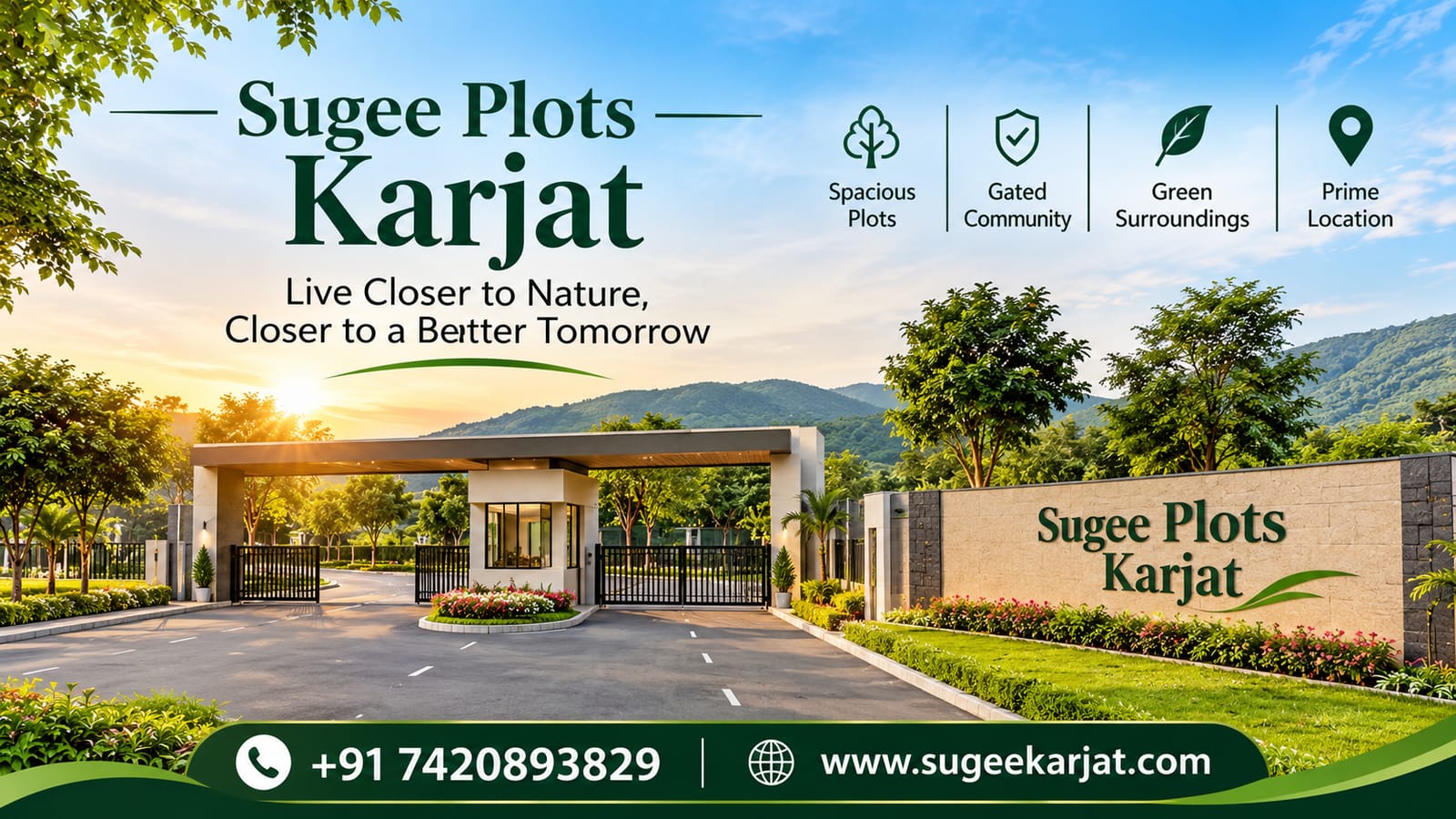
Homebuyers exploring developments such as sugee plots karjat may consider the availability of landscaped spaces, natural surroundings, and the overall approach to land planning while evaluating residential options.
Efficient Water Management Practices
Water management is a critical aspect of sustainable residential development. Planned communities may incorporate rainwater harvesting systems, stormwater drainage infrastructure, water storage facilities, and other measures to improve water management.
Rainwater harvesting can help collect and store rainwater for suitable uses, depending on the system design and local regulations. Proper stormwater management can also help reduce waterlogging and improve drainage during heavy rainfall.
Developers may consider water-efficient landscaping, appropriate drainage design, and responsible water usage practices to support the long-term functionality of residential communities. Buyers should understand which water management facilities are available and how they are maintained.
Energy-Efficient Infrastructure
Energy efficiency is another important component of sustainable planning. Residential developments may incorporate energy-efficient street lighting, solar-powered common-area facilities, and infrastructure designed to reduce unnecessary energy consumption.
Solar lighting in common areas, where suitably implemented, can help reduce reliance on conventional electricity for certain applications. Efficient lighting systems and appropriate infrastructure planning can also contribute to lower operational energy requirements.
As technology evolves, planned communities may explore additional solutions that support energy efficiency and sustainable resource use. The actual benefits depend on the systems installed, their maintenance, and how effectively they are operated.
Better Roads and Infrastructure Planning
Sustainable plotted developments require careful planning of internal roads, pedestrian pathways, drainage systems, utility connections, and common areas. Well-designed infrastructure can improve accessibility, reduce unnecessary movement, and support the efficient functioning of the residential community.
Pedestrian-friendly pathways and appropriately planned internal roads may help residents move around the development more comfortably. Infrastructure planning should also consider emergency access, vehicle movement, street lighting, and the needs of different age groups.
Developments such as sugee land project karjat can be evaluated by homebuyers based on the infrastructure provisions, land layout, surrounding environment, and the overall planning approach adopted within the project.
Encouraging a Healthier Residential Lifestyle
Sustainable planning can also influence the lifestyle of residents. Open spaces, walking paths, recreational areas, and landscaped surroundings may encourage outdoor activities and support a more balanced lifestyle.
Residents may benefit from opportunities to walk, spend time outdoors, interact with neighbours, and enjoy recreational spaces within the community. These features can contribute to the overall residential experience when they are thoughtfully designed and maintained.
The availability of open spaces can be particularly valuable for families who prefer residential environments that provide opportunities for outdoor recreation and relaxation.
Waste Management and Responsible Development
Waste management is another important consideration in sustainable residential planning. Developers and residential management teams may implement waste segregation systems, designated waste collection areas, and organised disposal procedures to support cleaner common spaces.
Residents also play an important role in maintaining these systems by following waste management guidelines and participating in responsible disposal practices.
Properly planned waste management infrastructure can help maintain the cleanliness of residential communities and support more organised maintenance operations over time.
What Homebuyers Should Evaluate
Homebuyers interested in sustainable plotted developments should look beyond marketing claims and assess the actual infrastructure and planning features available. This may include checking drainage systems, water management facilities, landscaping, road layouts, utility provisions, and environmental considerations.
Exploring sugee plots can be part of the comparison process, where prospective buyers assess the development's layout, infrastructure, amenities, documentation, and overall suitability for their requirements.
Buyers should also verify project approvals, land documentation, development permissions, and the completion status of advertised facilities before making a purchase decision.
Conclusion
Sustainable planning is influencing the way plotted developments are designed and organised. From green spaces and efficient water management to energy-conscious infrastructure, pedestrian-friendly layouts, and organised waste management, these practices can contribute to more functional and environmentally considerate residential communities.
As homebuyers increasingly consider lifestyle quality and long-term residential suitability, sustainable planning may become an important factor in evaluating plotted developments. By examining the actual planning features, infrastructure, legal documentation, and maintenance arrangements, buyers can make more informed decisions when choosing a residential plot.